Blessed thistle (Centaurea benedicta)
Care, watering, light and tips for Blessed thistle on Floravia.
Quick facts
- Family: Asteraceae
- Difficulty: Easy to care for
- Watering: every 7 days
- Light: Full sun
- Temperature: 0–35 °C
About Blessed thistle
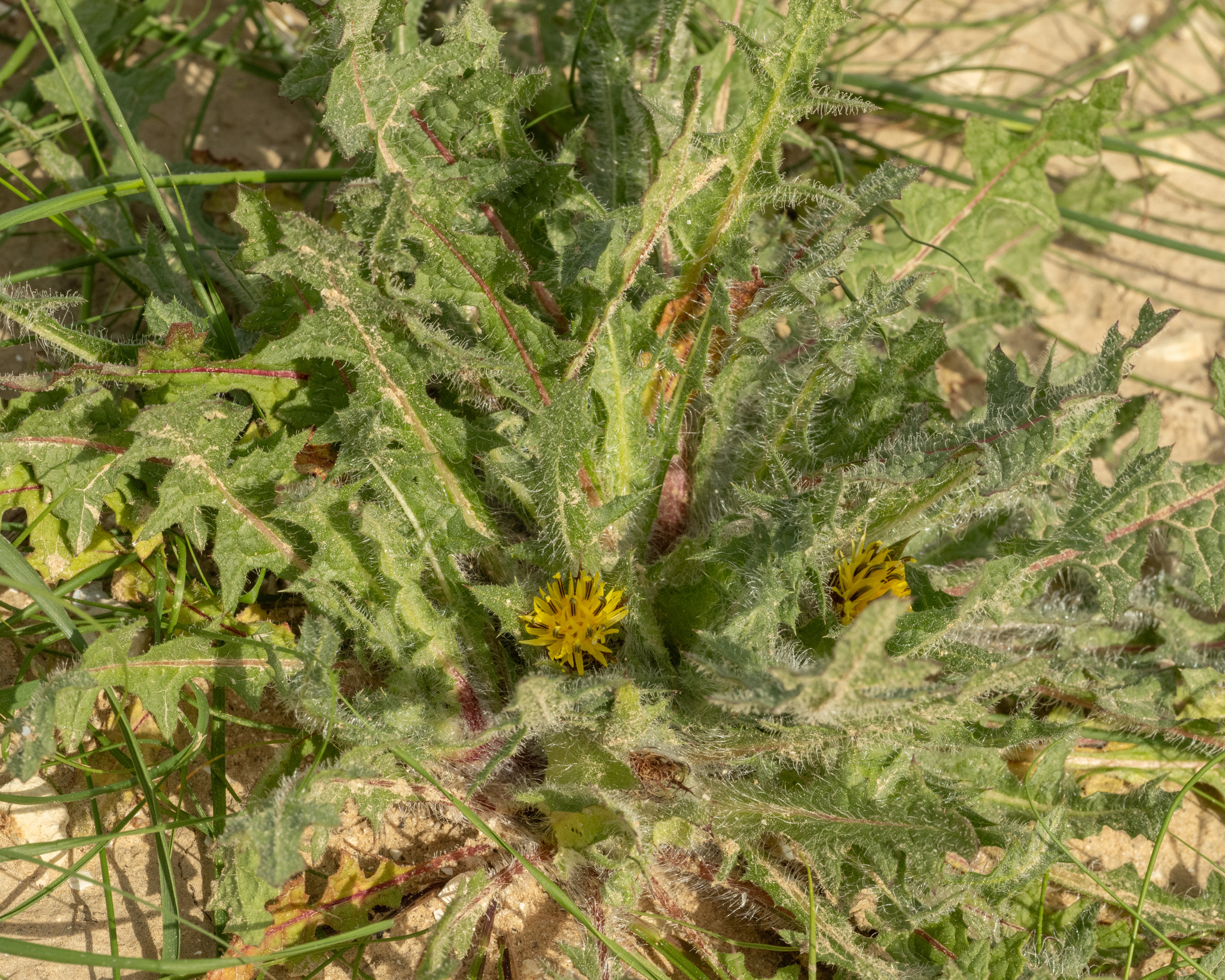
Centaurea benedicta, commonly known as Blessed Thistle, is an annual plant from the Asteraceae family, valued for its spiny leaves and distinctive yellow flowers surrounded by thorny bracts. It is a robust plant that can add a rustic and medicinal touch to herb gardens, sunny borders, or large pots, standing out for its unusual texture and shape.
Native range
Mediterranean region, from Southern Europe to North Africa and the Middle East.
Care tips
It prefers full sun exposure and well-drained soils, even poor or sandy ones, as it is a drought-tolerant plant. Water moderately, allowing the substrate to dry out completely between waterings to prevent waterlogging, which is its main enemy. It does not require regular fertilization and can be sown directly in spring once the risk of frost has passed. Avoid excessive humidity and planting in heavy, clayey soils, which can rot its roots.
How to save a dying Blessed thistle
- Warning signs
- Yellowing or wilting leaves, soft stems, stunted growth.
- First aid
- Check drainage and soil moisture. If waterlogged, repot into dry soil. If dry, water moderately.
- What kills it
- Overwatering is its worst enemy, causing root rot. Also lack of direct sun and low temperatures.
- Can it be saved?
- Yes, if you act quickly. It's a resilient plant but sensitive to waterlogging.