Malta starthistle (Centaurea melitensis)
Care, watering, light and tips for Malta starthistle on Floravia.
Quick facts
- Family: Asteraceae
- Difficulty: Easy to care for
- Watering: every 7 days
- Light: Full sun
- Temperature: 0–35 °C
About Malta starthistle
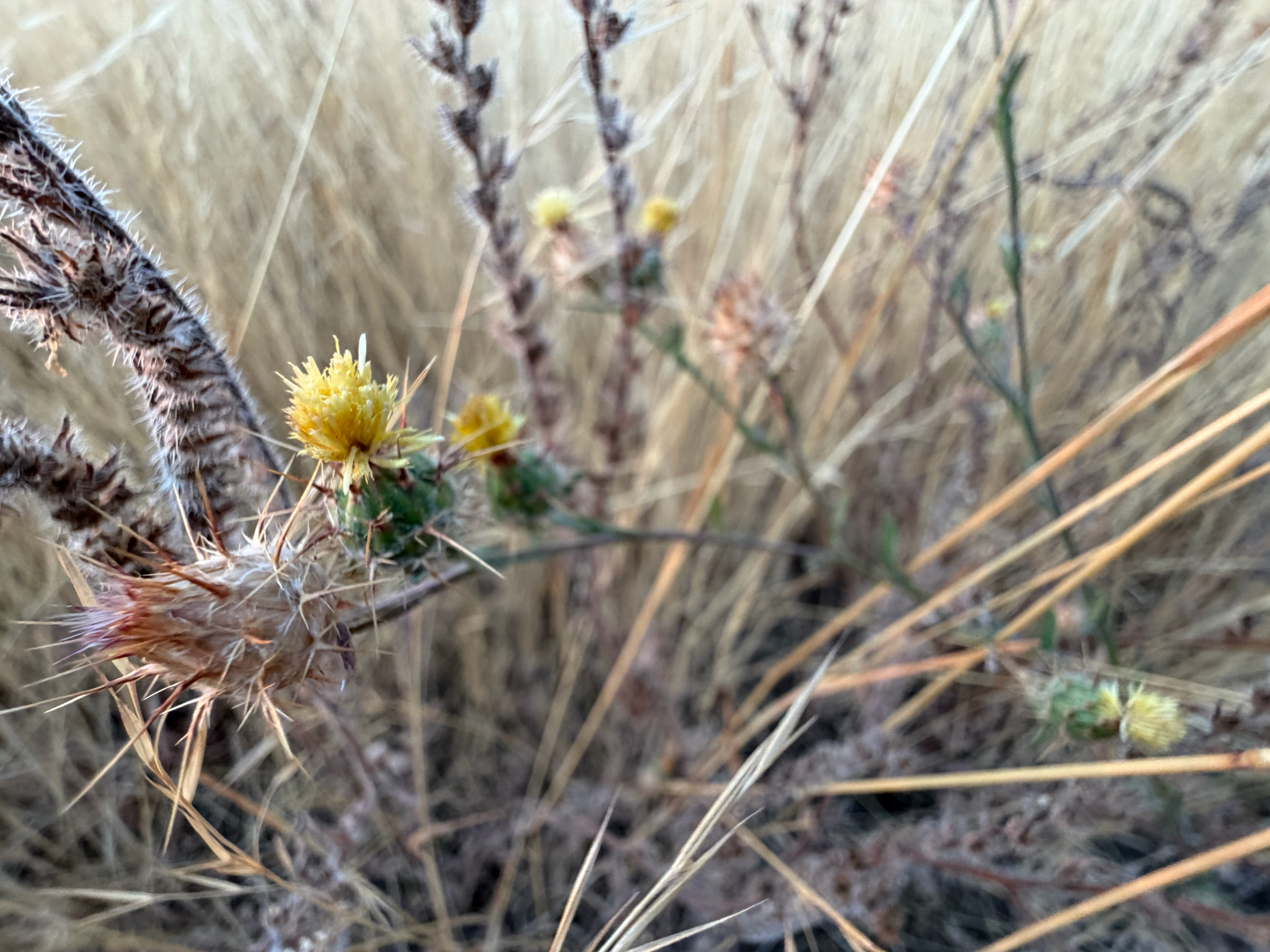
Centaurea melitensis, commonly known as Maltese knapweed, is an annual herbaceous plant belonging to the Asteraceae family, characterized by its bright yellow flowers and lobed leaves covered in fine hairs. It grows up to 60 cm tall and forms dense clumps, making it ideal for Mediterranean-style gardens or as a border plant in sunny, dry areas. Its wild appearance and prolonged flowering make it attractive in naturalized meadows or rock gardens.
Native range
Mediterranean region
Care tips
It requires full sun for abundant flowering and well-drained soil, preferably sandy or stony, as it is drought tolerant. Watering should be moderate, allowing the substrate to dry out completely between waterings, and excessive moisture should be avoided, especially in winter. A common mistake is overwatering, which can lead to root rot; it is a plant that thrives in drier conditions. It does not require frequent fertilization; poor soil is sufficient.
How to save a dying Malta starthistle
- Warning signs
- Yellowish or whitish leaves, drooping stem, weak or no flowering. It's a hardy plant, so these signs indicate severe stress.
- First aid
- Move to a sunny spot with well-drained soil. If potted, check for waterlogging. Remove severely damaged leaves.
- What kills it
- Excessive moisture and lack of direct light are its worst enemies. It cannot tolerate heavy soils or dense shade.
- Can it be saved?
- Yes, it is very resilient. With sun, good drainage, and no waterlogging, it will recover. It requires patience, but it will make it.