Mediterranean everlasting (Helichrysum stoechas)
Care, watering, light and tips for Mediterranean everlasting on Floravia.
Quick facts
- Family: Asteraceae
- Difficulty: Easy to care for
- Watering: every 10 days
- Light: Full sun
- Temperature: 0–35 °C
About Mediterranean everlasting
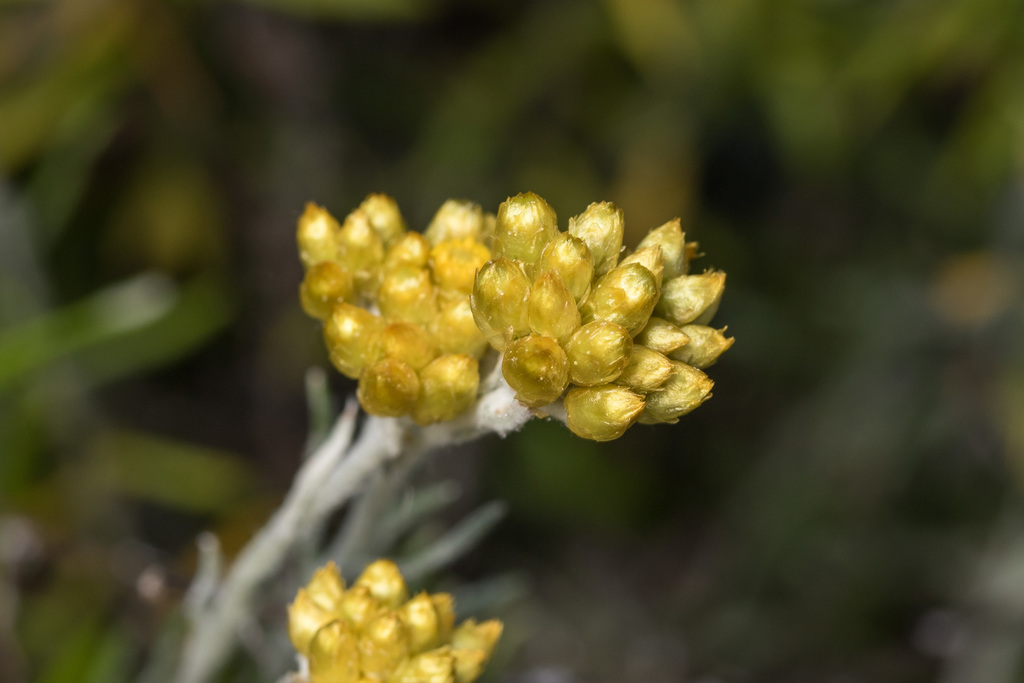
Helichrysum stoechas, commonly known as Curry Plant or Dune Immortelle, is a perennial shrub from the Asteraceae family, valued for its aromatic, silvery-grey foliage and bright yellow, papery flowers that retain their shape and color when dried. Its compact habit and hardiness make it ideal for rock gardens, sunny borders, or as ground cover in dry, sunny climates. It adds an interesting texture and a Mediterranean touch to the landscape, being perfect for low-maintenance gardens.
Native range
Mediterranean region (southern Europe and northern Africa)
Care tips
It thrives in full sun and prefers well-drained, sandy, or stony soils, tolerating drought once established. Watering should be infrequent, allowing the substrate to dry out completely between waterings, as excessive moisture can be detrimental. It is crucial to avoid waterlogging and heavy soils; good drainage is key to its survival. A common mistake is overwatering, which can lead to root rot.
How to save a dying Mediterranean everlasting
- Warning signs
- Soft leaves, drooping or dry stems. A strong curry smell is not normal, it may indicate rot.
- First aid
- Check drainage. If soil is soaked, remove from pot, discard wet soil, check roots. If rot, prune and repot in dry, light substrate. If dry, water moderately.
- What kills it
- Overwatering is its nemesis. Heavy soil or poor drainage quickly suffocate it.
- Can it be saved?
- Yes! It's resilient. Act fast on root or stem rot. Good drainage and sparse watering are key to recovery.