Carduncellus caeruleus
Care, watering, light and tips for Carduncellus caeruleus on Floravia.
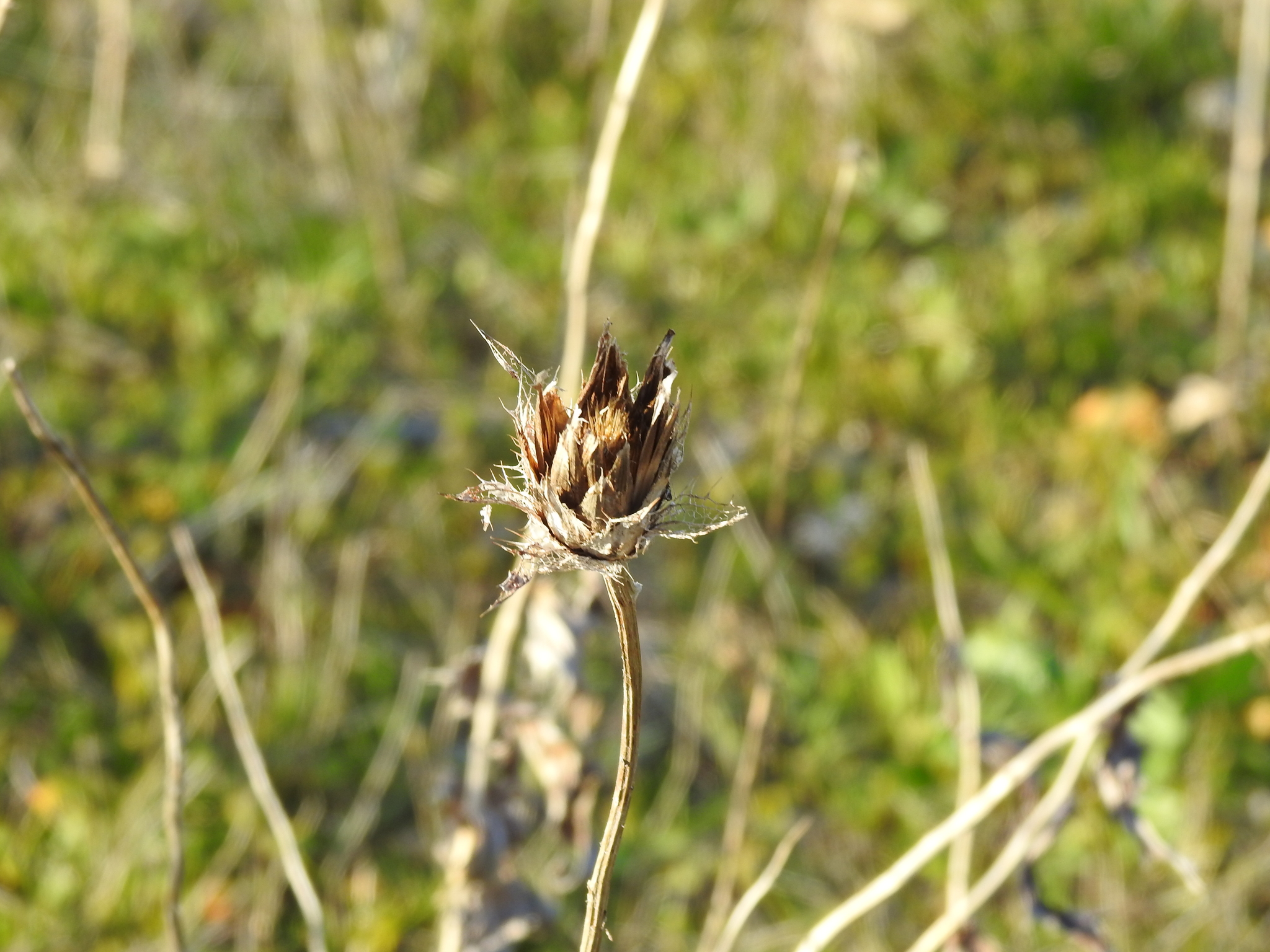
Quick facts
- Family: Asteraceae
- Difficulty: Easy to care for
- Watering: every 3 days
- Light: Full sun
- Temperature: 0–35 °C
- Toxicity: Toxic to pets
About Carduncellus caeruleus
Carduncellus caeruleus, also known as Blue Saffron Thistle, is a perennial plant belonging to the Asteraceae family, native to the Mediterranean basin. It is characterized by its intense blue-violet thistle-like flowers, emerging from basal rosettes of spiny leaves. It is ideal for rock gardens, dry borders, or as an ornamental plant in pots, adding a wild and colorful touch.
Native range
Northwest Africa and the southwestern Iberian Peninsula
Care tips
It prefers full sun exposure for optimal flowering. This is a xerophilous plant, requiring moderate and infrequent watering, tolerating drought well once established; waterlogging is its main enemy. It needs well-drained soil, preferably sandy or stony, with low organic matter content. Avoid excessive humidity and heavy soils, as these can lead to root rot.
How to save a dying Carduncellus caeruleus
- Warning signs
- Yellowing or wilting leaves, soft stems, no flowering. May indicate overwatering or poor soil.
- First aid
- Check drainage. If potted, repot into one with good drainage and sandy substrate. Reduce watering.
- What kills it
- Excessive soil moisture is its worst enemy, rotting the roots. It does not tolerate waterlogging.
- Can it be saved?
- Yes, if the roots are not completely rotted. Act quickly to correct watering and drainage.