Pale purple coneflower (Echinacea pallida)
Care, watering, light and tips for Pale purple coneflower on Floravia.
Quick facts
- Family: Asteraceae
- Difficulty: Easy to care for
- Watering: every 7 days
- Light: Full sun
- Temperature: 0–35 °C
About Pale purple coneflower
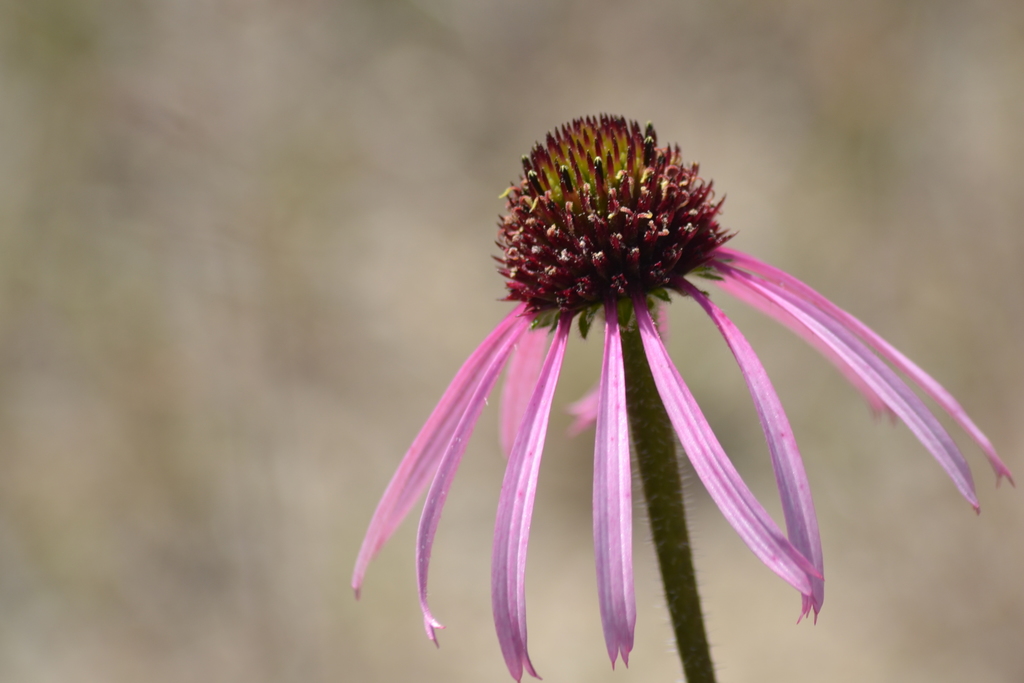
Echinacea pallida, also known as pale purple coneflower, is a beautiful perennial plant native to North American prairies. It is distinguished by its long, slender pale pink to whitish-pink petals that droop downwards, surrounding a prominent central cone. It is ideal for naturalistic gardens, meadows, or perennial borders, adding a wild and elegant touch.
Native range
Central North American prairies
Care tips
This coneflower thrives in full sun (at least 6 hours daily) and well-drained soils, even poor or rocky ones. It is very drought-tolerant once established, so watering should be moderate, avoiding waterlogging which can lead to root rot. A common mistake is overwatering or planting it in heavy, poorly draining soils, which will compromise its health and bloom. It does not require regular fertilization, and deadheading spent flowers can encourage a longer blooming period.
How to save a dying Pale purple coneflower
- Warning signs
- Yellowing or wilting leaves from the base, soft stems. May indicate overwatering or root rot.
- First aid
- Check drainage. If soil is waterlogged, carefully remove plant, trim rotten roots, and repot in dry substrate. Place in partial shade.
- What kills it
- Overwatering is its main enemy. Also lack of light or heavy soils that retain too much water.
- Can it be saved?
- Yes, if you act quickly. Good drainage and moderate watering are key for recovery. It's a tough plant!