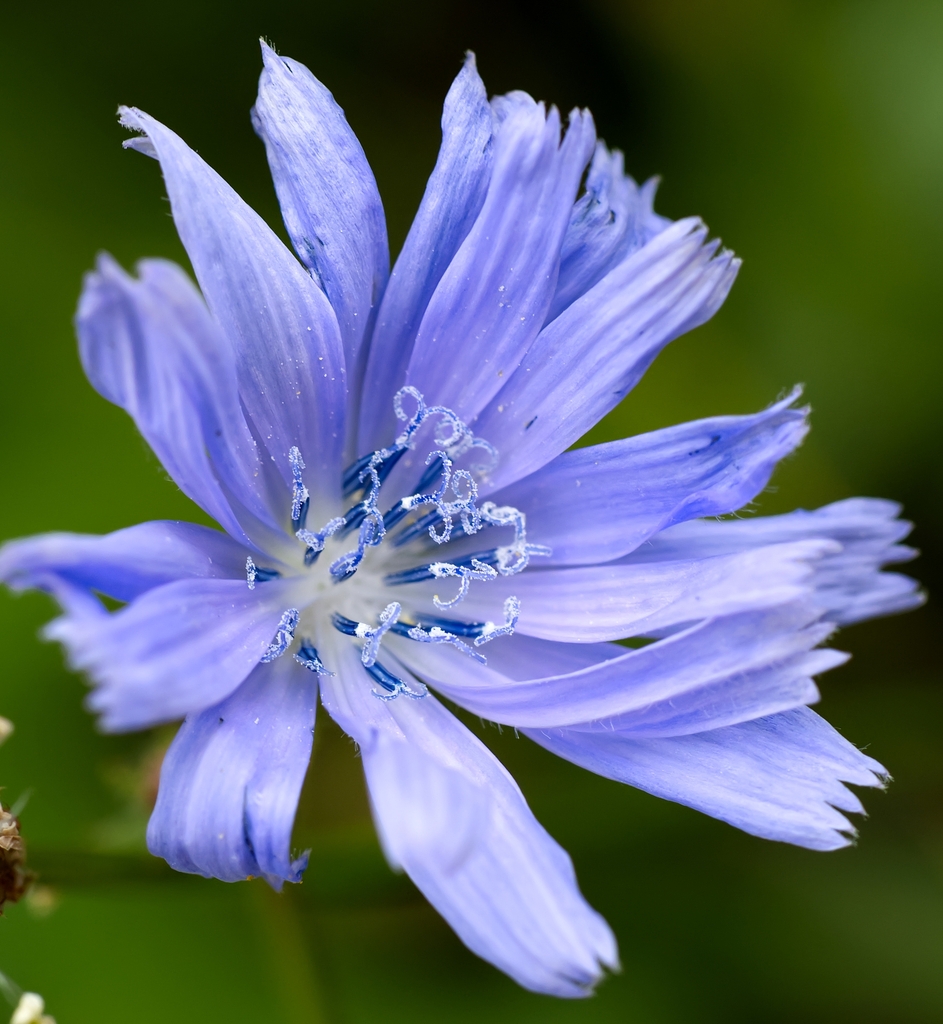
Chicory (Cichorium intybus)
Care, watering, light and tips for Chicory on Floravia.
Quick facts
- Family: Asteraceae
- Difficulty: Easy to care for
- Watering: every 3 days
- Light: Full sun
- Temperature: 0–35 °C
About Chicory
Cichorium intybus, commonly known as chicory, is a perennial herbaceous plant from the Asteraceae family, valued for both its culinary and medicinal uses. It features branching stems, basal rosette leaves, and distinctive bright blue flowers that bloom in summer. It is ideal for vegetable gardens, cottage-style gardens, or as an edible wild plant, adding a rustic touch and color to any landscape.
Native range
Europe, North Africa, and parts of Asia
Care tips
Chicory thrives in full sun to partial shade for optimal growth and abundant flowering. It requires regular watering to keep the soil consistently moist, especially during dry spells, but avoid waterlogging. It flourishes in well-drained soil, rich in organic matter, with a neutral to slightly alkaline pH. A common mistake is not managing its self-seeding tendency, which can make it invasive in some areas if not controlled.
How to save a dying Chicory
- Warning signs
- Pale, yellowing, or wilting leaves; slow or stunted growth; dry, brown tips.
- First aid
- Check watering (moist but not soggy soil). Ensure adequate direct sunlight (6+ hours).
- What kills it
- Prolonged lack of direct sunlight; consistently dry or waterlogged soil.
- Can it be saved?
- Yes, if roots aren't rotted and conditions are corrected quickly. It's quite resilient.