Mountain arnica (Arnica montana)
Care, watering, light and tips for Mountain arnica on Floravia.
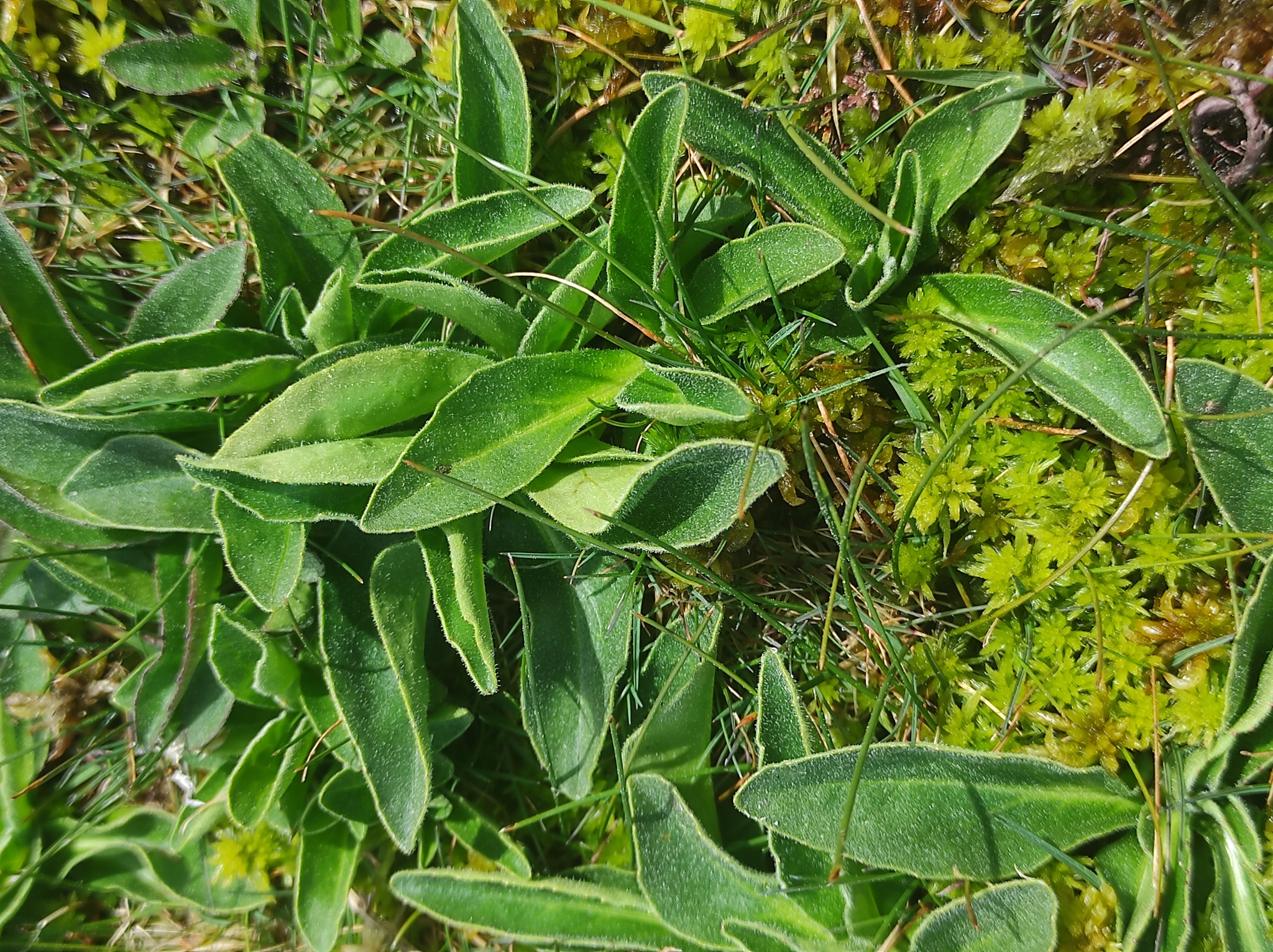
Quick facts
- Family: Asteraceae
- Difficulty: Demanding
- Watering: every 3 days
- Light: Full sun
- Temperature: 0–35 °C
- Toxicity: Toxic to pets
About Mountain arnica
Arnica montana, also known as mountain arnica or leopard's bane, is a perennial herbaceous plant from the Asteraceae family, valued for its bright orange-yellow flowers that resemble large daisies. It thrives in mountain meadows and pastures, forming dense and attractive clumps. It is ideal for rock gardens, path borders, or as an ornamental plant in cool, sunny climates.
Native range
Mountains of Central and Southern Europe, from the Iberian Peninsula to Southern Scandinavia and the Carpathians.
Care tips
It requires full sun to light partial shade and prefers acidic, well-drained soils that are not overly rich in nutrients. Watering should be moderate, allowing the substrate to dry slightly between waterings, and it is crucial to avoid waterlogging as it is susceptible to root rot. A common mistake is attempting to grow it in warm, humid climates, where it will not thrive; it prefers cool temperatures and mountainous environments.
How to save a dying Mountain arnica
- Warning signs
- Yellowish or brown, wilting leaves; soft stems. May indicate excess moisture or poor soil.
- First aid
- Check drainage. If potted, repot into one with good drainage and light substrate. If in ground, improve drainage and aeration.
- What kills it
- Constant waterlogging is fatal. Does not tolerate heavy or very wet soils. Needs sun but not excessive heat.
- Can it be saved?
- Yes, if you act quickly to correct excess water and improve the substrate. It is resilient with proper conditions.