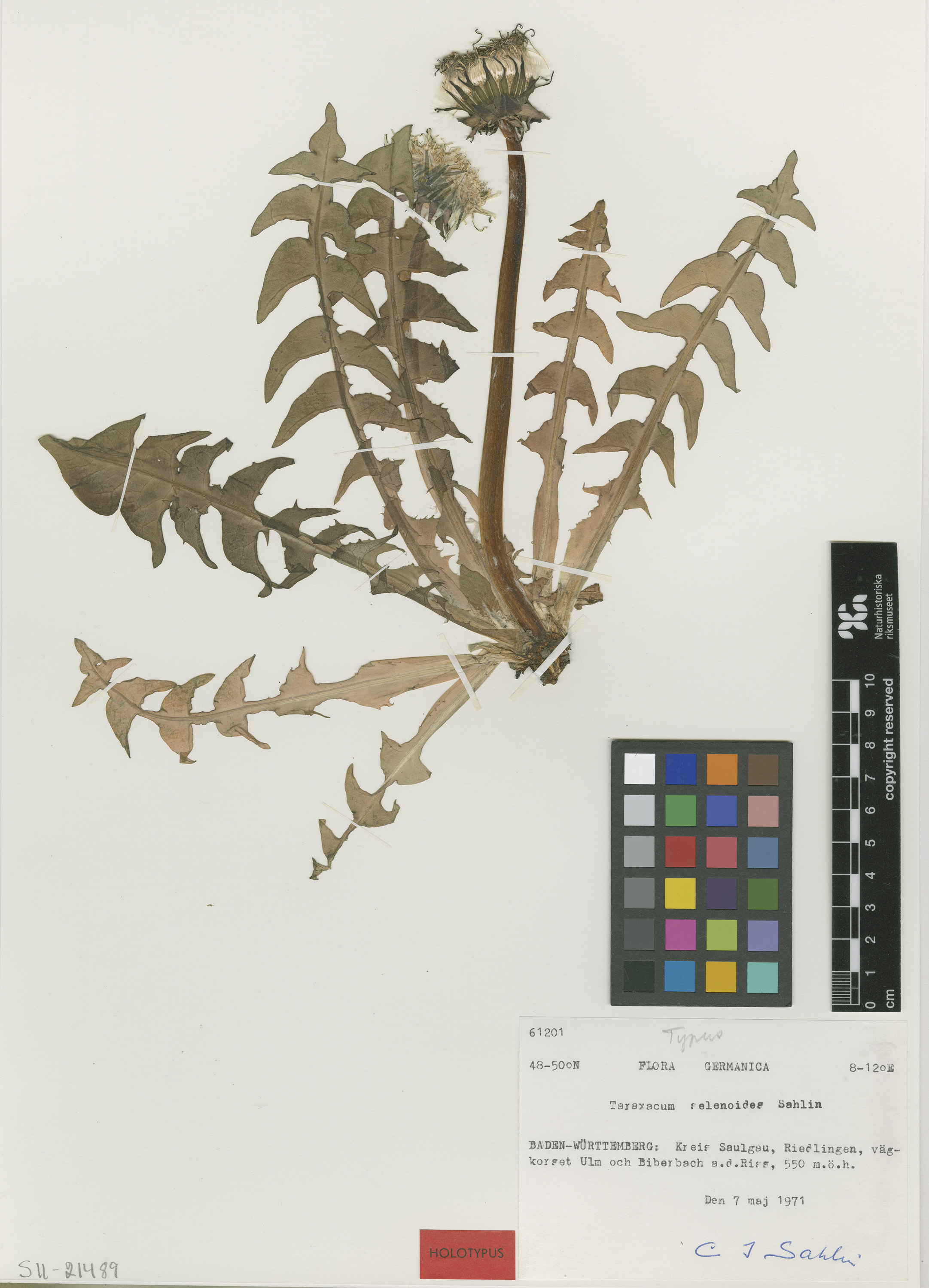
Dandelion (Taraxacum selenoides)
Care, watering, light and tips for Dandelion on Floravia.
Quick facts
- Family: Asteraceae
- Difficulty: Easy to care for
- Watering: every 3 days
- Light: Full sun
- Temperature: 0–35 °C
About Dandelion
Taraxacum selenoides, commonly known as lunar dandelion, is a perennial herbaceous plant from the Asteraceae family, characterized by its lobed leaves in a basal rosette and its bright yellow flowers that transform into feathery seed heads. Unlike common dandelions, its flowers have a paler yellow hue and its seeds are somewhat larger. It is ideal for pollinator gardens, wild meadows, or as a low-maintenance ornamental plant in pots.
Native range
Europe and Asia
Care tips
Taraxacum selenoides thrives in full sun to partial shade, requiring at least 4-6 hours of direct sunlight for optimal flowering. It prefers well-drained soils, from sandy to clayey, and is quite drought-tolerant once established, though regular watering during dry spells will promote its growth. Avoid over-fertilizing, as it can promote leaf growth at the expense of flowering and its natural resilience. A common mistake is attempting to eradicate it completely, ignoring its ecological and medicinal value.
How to save a dying Dandelion
- Warning signs
- Soft, yellowing, or wilting leaves. Flowers not opening or closing prematurely. Stunted or very slow growth.
- First aid
- Repot into loose, well-draining soil, rich in organic matter. Water moderately, ensuring good drainage. Place in partial shade if very hot.
- What kills it
- Compact, heavy soil that retains too much water, causing root rot. Excessive direct sun in very hot climates.
- Can it be saved?
- Yes, it often recovers if soil conditions and watering are quickly corrected. It is a resilient plant.