Leucanthemum cantabricum
Care, watering, light and tips for Leucanthemum cantabricum on Floravia.
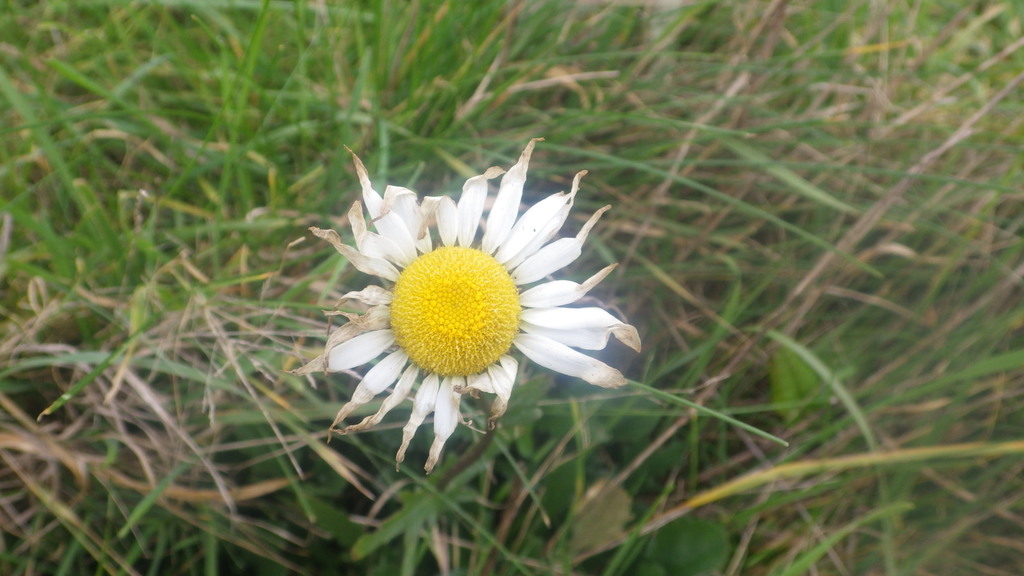
Quick facts
- Family: Asteraceae
- Difficulty: Easy to care for
- Watering: every 7 days
- Light: Full sun
- Temperature: 0–35 °C
- Toxicity: Toxic to pets
About Leucanthemum cantabricum
Leucanthemum cantabricum, also known as Cantabrian Daisy, is a perennial herbaceous plant endemic to northern Spain, forming dense clumps of dark green foliage and producing abundant white flowers with a yellow center, very similar to common daisies but adapted to mountainous environments. Its prolonged flowering from late spring well into summer makes it an excellent choice for rockeries, path edges, or low-maintenance flower beds, bringing a wild and bright touch to the garden. It is particularly suitable for naturalistic gardens or areas with an Atlantic climate, where it can easily naturalize.
Native range
Cantabrian Mountains (Spain)
Care tips
It requires full sun exposure or light partial shade for optimal flowering, although it tolerates partial shade in very hot climates. Watering should be moderate, allowing the substrate to dry slightly between waterings, and ensuring good drainage is crucial to avoid waterlogging, as it is susceptible to root rot. It prefers well-drained soils, even poor or rocky ones, with a neutral to slightly acidic pH. A common mistake is overwatering or planting it in heavy, clayey soils, which will compromise its development.
How to save a dying Leucanthemum cantabricum
- Warning signs
- Wilting, yellowing, or spotted leaves, lack of flowering.
- First aid
- Check soil moisture, repot to well-draining pot if waterlogged. Place in partial shade.
- What kills it
- Overwatering and poor drainage, drowning its roots. Direct sun and intense heat.
- Can it be saved?
- Yes, if you act quickly to correct watering and exposure. It can recover.