Canadian goldenrod (Solidago lepida)
Care, watering, light and tips for Canadian goldenrod on Floravia.
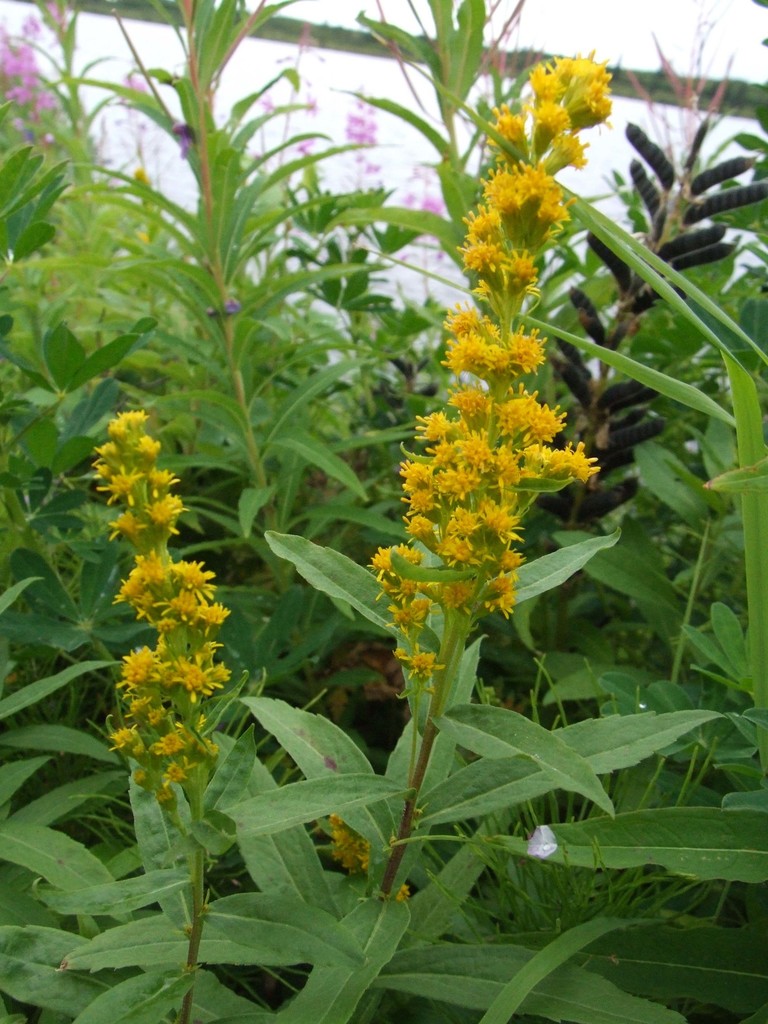
Quick facts
- Family: Asteraceae
- Difficulty: Easy to care for
- Watering: every 7 days
- Light: Full sun
- Temperature: 0–35 °C
About Canadian goldenrod
Solidago lepida, commonly known as western Canada goldenrod, is a herbaceous perennial native to North America, recognized for its dense spikes of bright yellow flowers that bloom in late summer and early autumn. It reaches a considerable height, between 0.5 and 2 meters, forming clumps that add a vibrant splash of color to naturalistic gardens, meadows, and woodland edges. It's an excellent choice for attracting pollinators and wildlife.
Native range
Western North America, from Alaska and British Columbia to California and New Mexico.
Care tips
It prefers full sun for optimal flowering, though it tolerates some partial shade. This adaptable plant thrives in a wide range of soils, from sandy to clay, as long as they have good drainage; once established, it is quite drought-tolerant but benefits from occasional watering during prolonged dry spells. Avoid over-fertilizing, as this can encourage excessive foliage growth at the expense of flowering and make the plant somewhat leggy. The main mistake to avoid is planting it in too small a space, as it can spread vigorously.
How to save a dying Canadian goldenrod
- Warning signs
- Yellow/dry basal leaves, soft stems, poor or no flowering.
- First aid
- Transplant to sunny spot with well-drained soil. Moderate watering.
- What kills it
- Excessive shade, heavy waterlogged soil. Lack of direct sun.
- Can it be saved?
- Yes, if you act fast. Needs sun and good drainage to recover.