Goatsbeard (Tragopogon marginatus)
Care, watering, light and tips for Goatsbeard on Floravia.
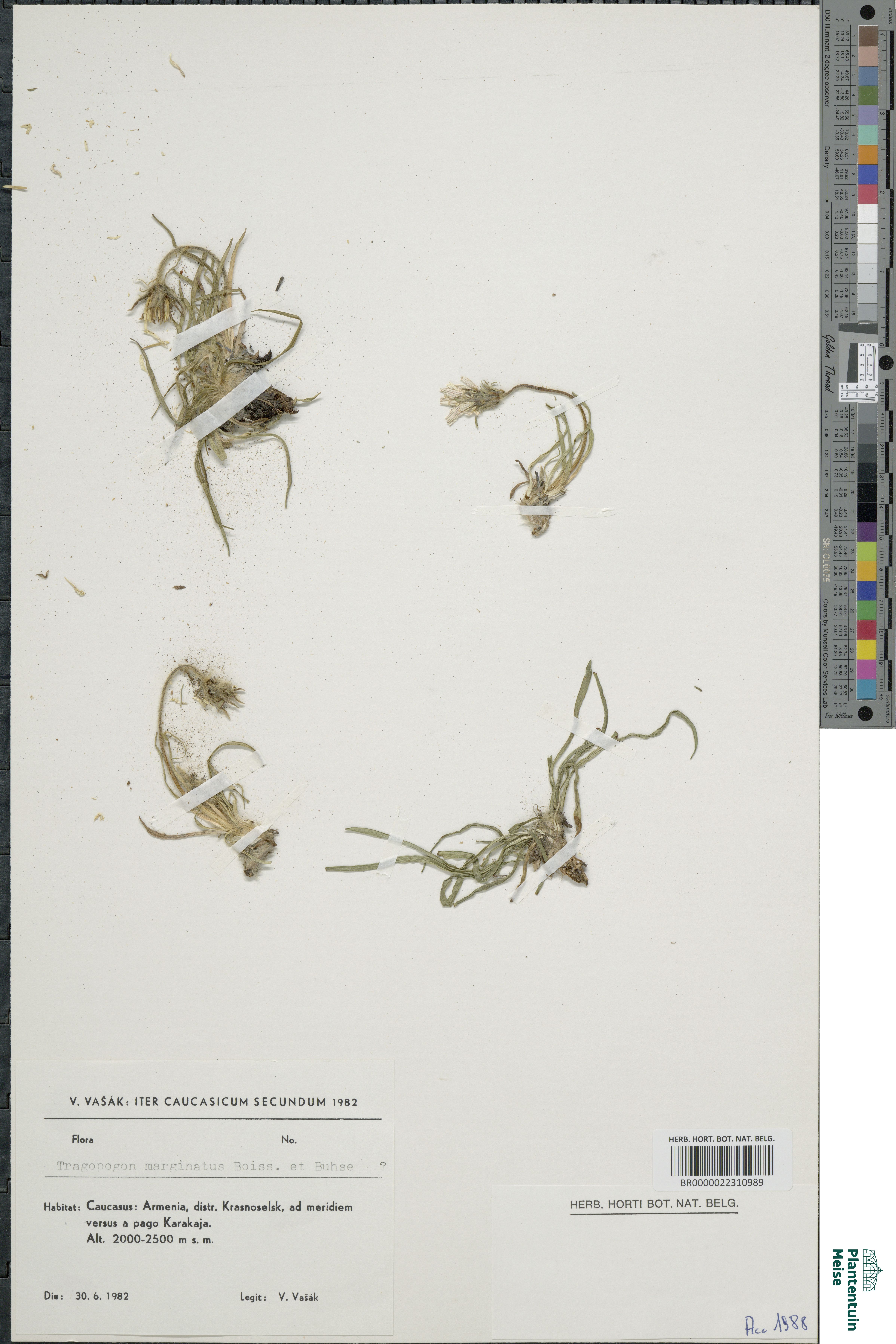
Quick facts
- Family: Asteraceae
- Difficulty: Easy to care for
- Watering: every 3 days
- Light: Full sun
- Temperature: 0–35 °C
About Goatsbeard
Tragopogon marginatus, known in Armenia as Սինձ երիզված, is a biennial or perennial herbaceous plant from the Asteraceae family, characterized by its attractive yellow flowers that resemble dandelions but are larger. Its leaves are elongated and lanceolate, often with a distinctive margin that gives the species its name. It is ideal for natural-style gardens, wild meadows, or roadside borders, where its cheerful flowers can stand out.
Native range
Europe and Western Asia
Care tips
It prefers full sun to partial shade for optimal development and abundant flowering. Watering should be moderate, allowing the substrate to dry out slightly between waterings, as it tolerates drought better than waterlogging. It adapts well to poor to moderately fertile soils, provided they have good drainage. A common mistake is overwatering, which can lead to root rot, especially in heavy soils.
How to save a dying Goatsbeard
- Warning signs
- Yellowing, wilting leaves, soft or blackened stems, lack of flowering or drooping flowers.
- First aid
- Check drainage. If soil is waterlogged, remove plant, inspect roots, and repot with fresh, well-draining substrate.
- What kills it
- Overwatering is its main enemy, rotting its roots. Heavy soil and lack of direct sun also weaken it.
- Can it be saved?
- Yes, if you act quickly. Good drainage, adequate sun, and moderate watering are key to its recovery.