Mouse-ear hawkweed (Pilosella piloselloides)
Care, watering, light and tips for Mouse-ear hawkweed on Floravia.
Quick facts
- Family: Asteraceae
- Difficulty: Easy to care for
- Watering: every 3 days
- Light: Full sun
- Temperature: 0–35 °C
About Mouse-ear hawkweed
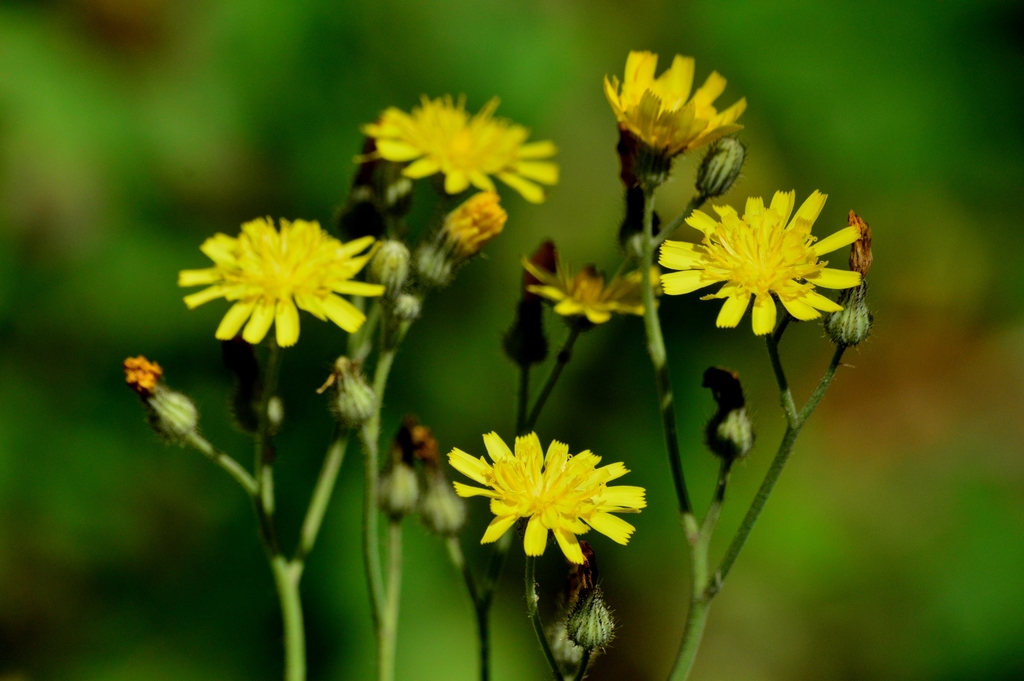
Pilosella piloselloides, also known as snausveve in some regions, is a perennial herbaceous plant from the Asteraceae family, characterized by its hairy basal leaf rosettes and flowering stems that emerge with small yellow flowers. It's an excellent choice for rock gardens, path edges, or as ground cover in sunny areas, adding a wild and natural touch. Its cheerful blooms and low maintenance make it ideal for low-impact landscaping.
Native range
Europe and temperate Asia
Care tips
This plant prefers full sun for abundant flowering and compact growth. Watering should be moderate, allowing the substrate to dry out completely between waterings, as it is drought-tolerant once established. It thrives in well-drained, poor soils, including sandy or rocky ones, without needing much organic matter. The common mistake to avoid is overwatering, which can lead to root rot, especially in heavy soils.
How to save a dying Mouse-ear hawkweed
- Warning signs
- Wilted or yellowing leaves, soft stems, no flowering. May look dry but be rotting.
- First aid
- Check drainage and soil moisture. Repot if waterlogged or compacted, trimming damaged roots.
- What kills it
- Overwatering is its demise. Also total shade or heavy substrates that retain too much water.
- Can it be saved?
- Yes, if you act quickly. It's resilient, but needs sun and good drainage to fully recover.