Rush skeletonweed (Chondrilla juncea)
Care, watering, light and tips for Rush skeletonweed on Floravia.
Quick facts
- Family: Asteraceae
- Difficulty: Demanding
- Watering: every 3 days
- Light: Full sun
- Temperature: 0–35 °C
About Rush skeletonweed
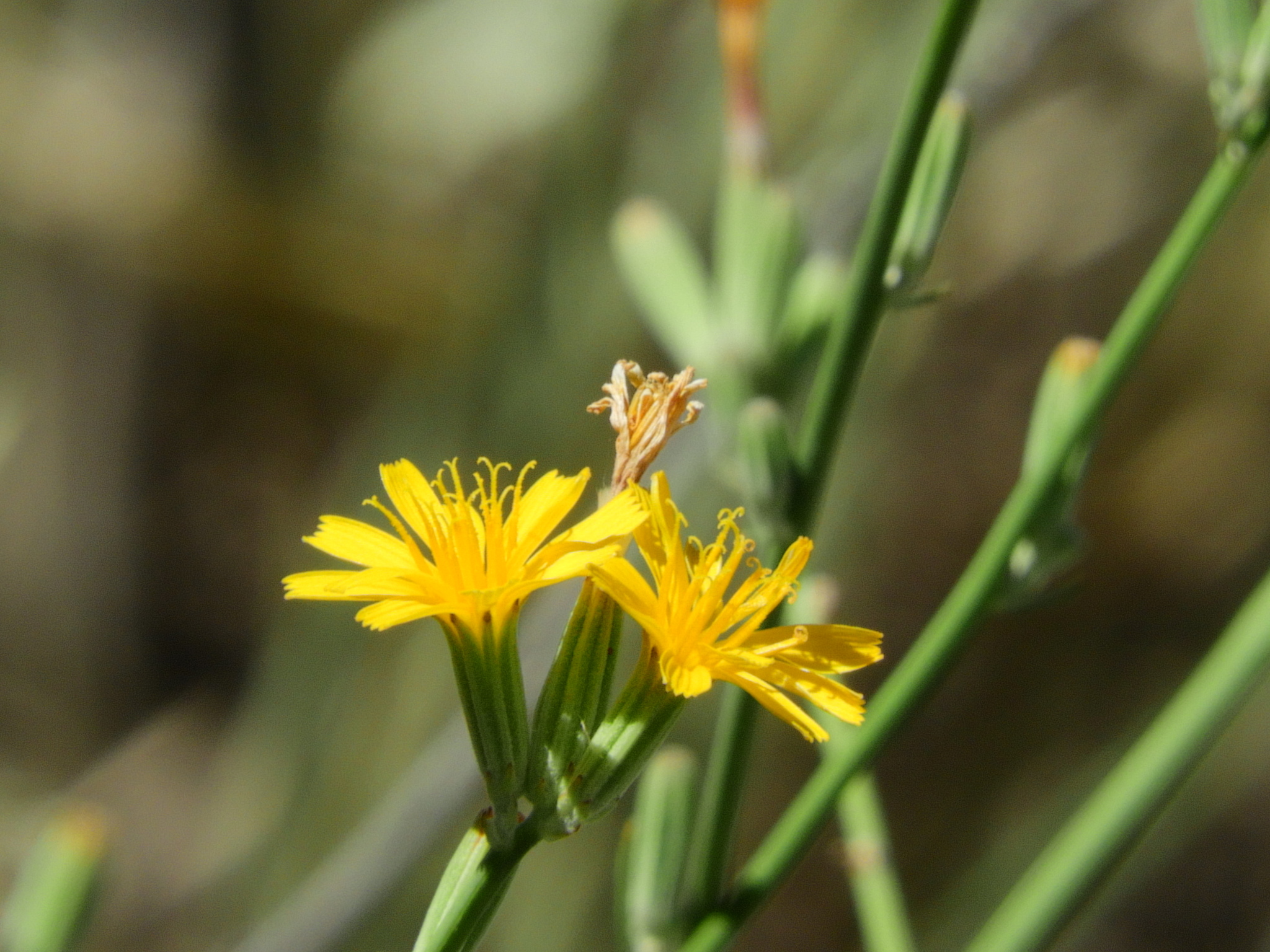
Chondrilla juncea, commonly known as skeletonweed, is a perennial herbaceous plant belonging to the Asteraceae family. It is characterized by its slender, branched, almost leafless stems, giving it a skeletal appearance, and small, dandelion-like yellow flowers. While often considered an invasive weed in many regions, its unique form can be of interest in naturalistic or rock gardens where a wild touch is desired and its spread can be controlled.
Native range
Mediterranean region, Europe and temperate Asia
Care tips
This species is extremely hardy and adapts to a wide range of conditions, preferring full sun. It requires very little watering once established, tolerating drought well, and thrives in poor, well-drained soils, including sandy or rocky types. The most common mistake to avoid is underestimating its prolific spreading ability, making it crucial to monitor and control its growth to prevent it from becoming invasive. No fertilization is needed.
How to save a dying Rush skeletonweed
- Warning signs
- Wilted, yellowing, or dry basal leaves, limp and weak stems. May have no flowering or dry flowers.
- First aid
- Check soil moisture. If dry, water deeply. If waterlogged, repot to well-drained soil. Place in partial shade if intense sun.
- What kills it
- Excessive moisture and poor drainage that rot its roots. Also prolonged water stress, both lack and excess.
- Can it be saved?
- Yes, if roots are not completely rotted. Act quickly by correcting watering and exposure. It is resilient.