Matgrass (Nardus stricta)
Care, watering, light and tips for Matgrass on Floravia.
Quick facts
- Family: Poaceae
- Difficulty: Demanding
- Watering: every 7 days
- Light: Partial shade
- Temperature: 10–30 °C
About Matgrass
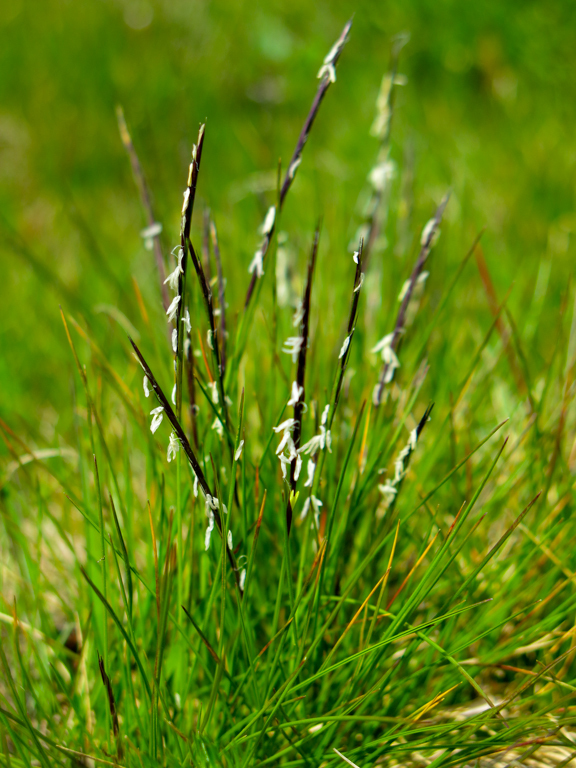
Nardus stricta, commonly known as matgrass, is a perennial grass with a dense, tufted growth habit, forming compact clumps of fine, stiff leaves. Its grayish-green foliage provides an interesting texture, making it ideal for rock gardens, path edges, or as ground cover in poor, acidic soils. It stands out for its hardiness and ability to thrive in challenging conditions, adding a natural and rustic touch to the landscape.
Native range
Europe and parts of temperate Asia
Care tips
Nardus stricta thrives in full sun to partial shade and prefers acidic, well-drained soils with low nutrient content; it is highly tolerant of poor soil conditions. Watering should be moderate, allowing the substrate to dry out between waterings, as it is drought-tolerant once established. Avoid rich or waterlogged soils, as this can weaken the plant and encourage competition from more vigorous species. It does not require regular pruning, but dry leaves can be removed to maintain a tidy appearance.
How to save a dying Matgrass
- Warning signs
- Dry, yellowing or brownish leaves, weakened or wilted plant base. Nardus is tough, so this is serious.
- First aid
- Replant in well-drained, slightly acidic soil. Ensure full sun to partial shade. Water moderately if soil is dry.
- What kills it
- Excessive shade or constantly rich/wet soils. It doesn't tolerate over-fertilization or soil compaction.
- Can it be saved?
- Yes, if you act quickly. It needs its natural habitat: poor, acidic, well-drained soils. Patience is key.