St Augustine grass (Stenotaphrum secundatum)
Care, watering, light and tips for St Augustine grass on Floravia.
Quick facts
- Family: Poaceae
- Difficulty: Easy to care for
- Watering: every 7 days
- Light: Partial shade
- Temperature: 10–30 °C
About St Augustine grass
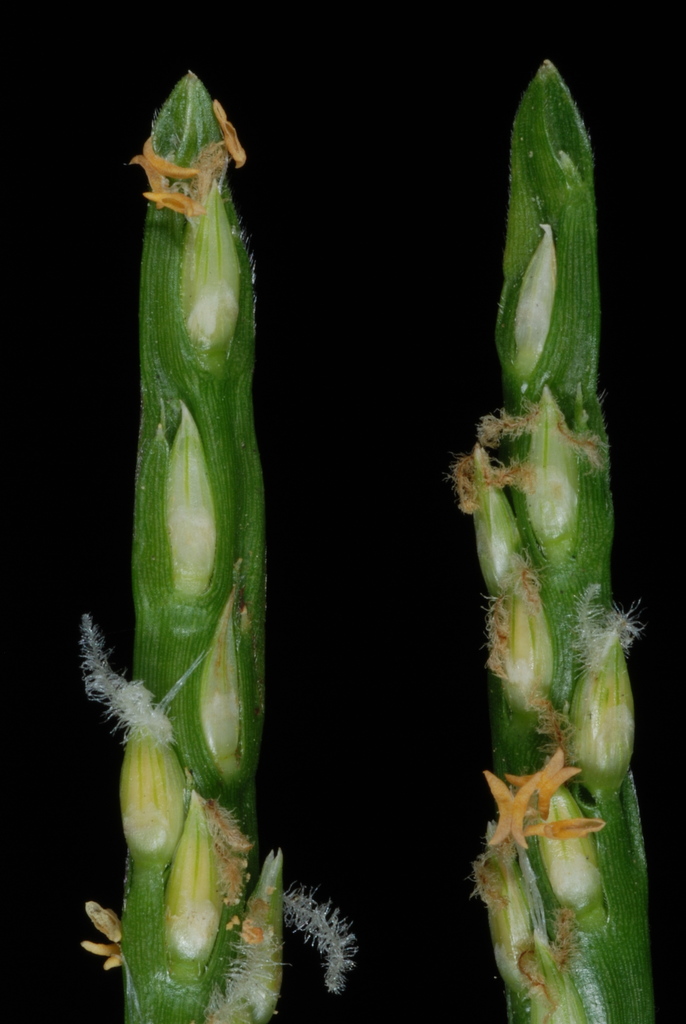
Stenotaphrum secundatum, commonly known as St. Augustine grass or Buffalo grass, is a broad-leaved, perennial grass with stoloniferous growth, forming a dense and resilient turf. Its deep green leaves and coarse texture make it ideal for residential lawns, parks, and high-traffic areas, providing attractive and durable ground cover. It is particularly well-suited for warm and humid climates, where it thrives to create a lush green carpet.
Native range
Tropical and subtropical regions of America, Africa, and Australia
Care tips
It prefers full sun to partial shade, requiring at least 4-6 hours of direct sunlight daily for optimal growth. Water deeply but infrequently, allowing the soil to dry slightly between waterings to encourage a strong root system. It adapts to a wide range of soils but prefers well-drained and fertile ones; fertilize in spring and autumn with a balanced fertilizer. Avoid overwatering, as it can lead to fungal diseases and weed development.
How to save a dying St Augustine grass
- Warning signs
- Yellowish or brown leaves, slow or no growth, dry patches.
- First aid
- Deep watering if soil is dry, aerate lawn, apply balanced fertilizer.
- What kills it
- Frequent shallow watering, lack of nutrients, soil compaction.
- Can it be saved?
- Yes, if the cause is addressed promptly and proper care is provided.