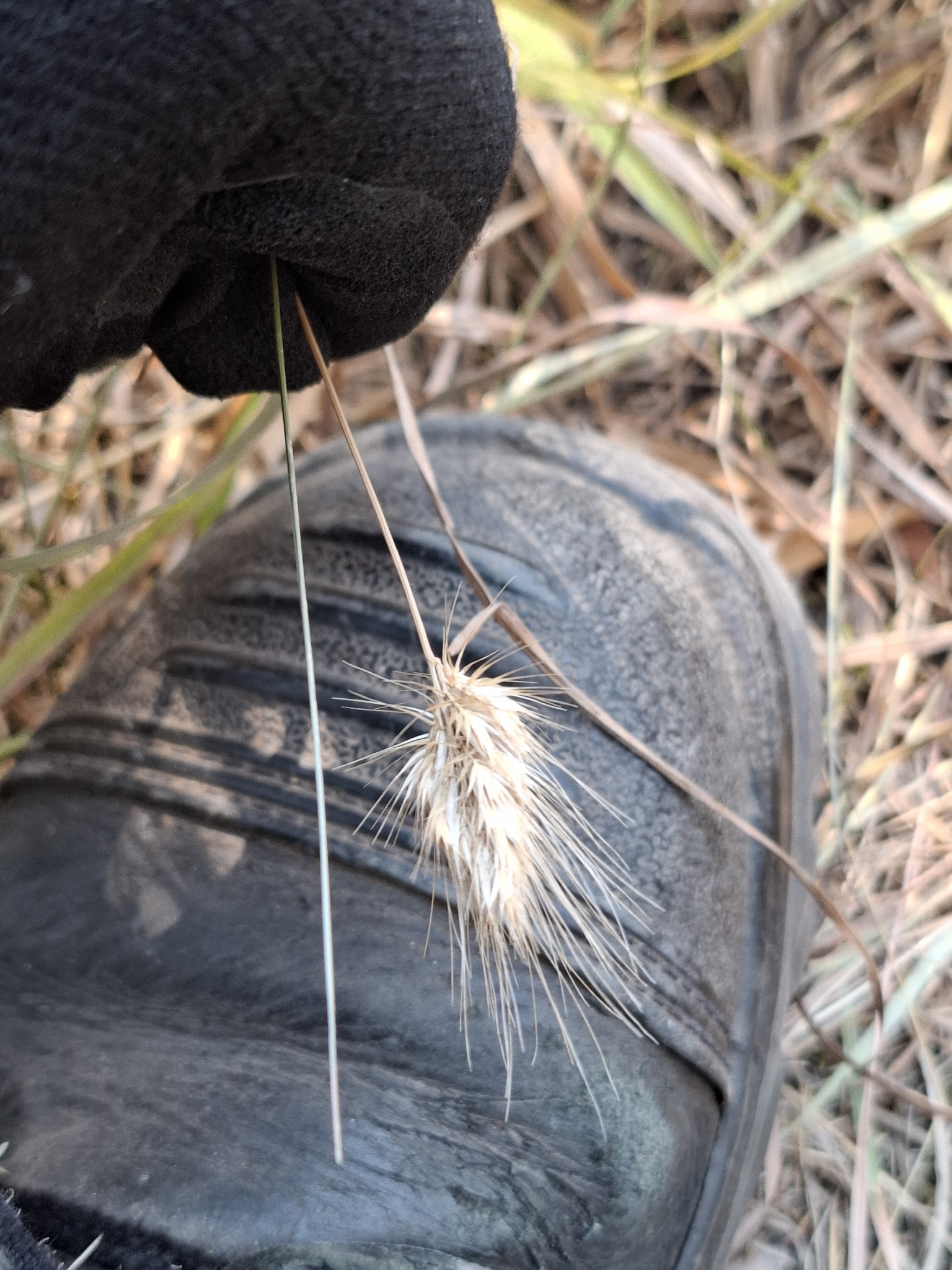
Bristly dogstail grass (Cynosurus echinatus)
Care, watering, light and tips for Bristly dogstail grass on Floravia.
Quick facts
- Family: Poaceae
- Difficulty: Moderate care
- Watering: every 7 days
- Light: Partial shade
- Temperature: 10–30 °C
About Bristly dogstail grass
Cynosurus echinatus, commonly known as bristly dogstail grass, is an annual grass from the Poaceae family, characterized by its dense, bristly spikes that give it a distinctive appearance. It reaches heights of up to 60 cm and forms compact clumps, making it suitable for naturalistic gardens, roadside borders, or as a filler plant in ornamental meadows. Its appeal lies in the texture and shape of its inflorescences, which add visual interest to the landscape.
Native range
Mediterranean region of Europe and North Africa
Care tips
This grass prefers full sun to partial shade and well-drained soils, even poor or sandy ones, being highly adaptable. Watering should be moderate, allowing the substrate to dry out between waterings, as it tolerates drought well once established. It does not require regular fertilization, and the main mistake to avoid is overwatering, which can lead to root rot. It propagates easily from seeds, which can be sown in spring or autumn.
How to save a dying Bristly dogstail grass
- Warning signs
- Dry, rolled, or yellowing leaves, stunted growth, or undeveloped spikes.
- First aid
- Check drainage and soil moisture. If dry, water deeply. If potted, consider repotting to a larger container.
- What kills it
- Prolonged lack of water or very compacted soil hindering root development. Also, excessive shade.
- Can it be saved?
- Yes, it often recovers well with proper watering and better sun exposure if the cause isn't extreme drought.