False oat-grass (Arrhenatherum elatius)
Care, watering, light and tips for False oat-grass on Floravia.
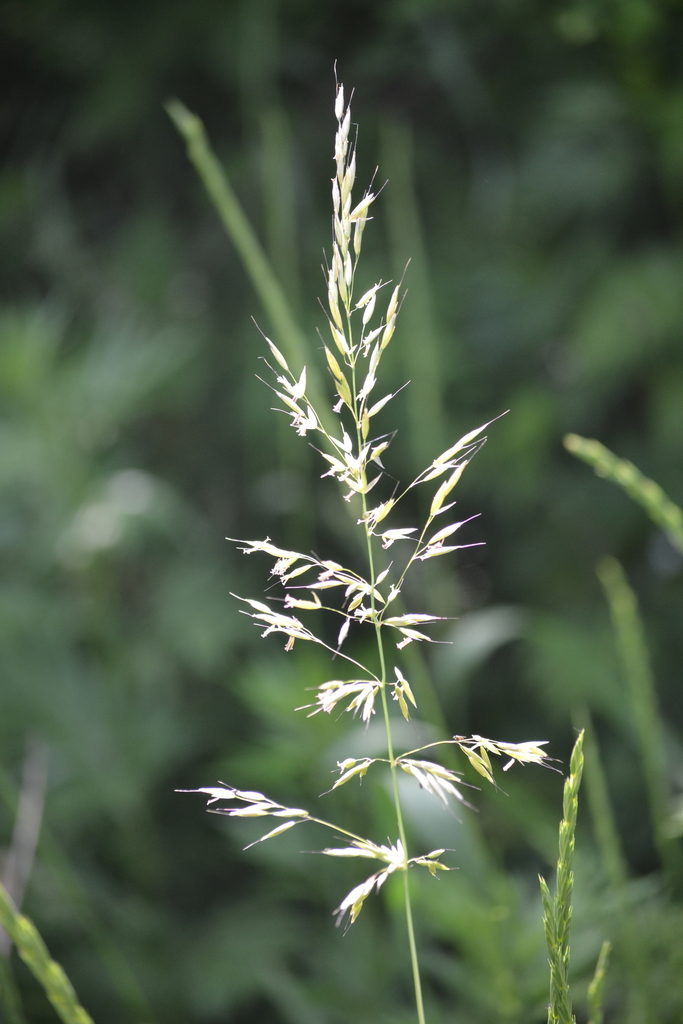
Quick facts
- Family: Poaceae
- Difficulty: Easy to care for
- Watering: every 7 days
- Light: Partial shade
- Temperature: 10–30 °C
About False oat-grass
Arrhenatherum elatius, commonly known as tall oatgrass, is a vigorous perennial grass forming dense, upright tussocks with grayish-green leaves. It produces loose, feathery flower spikes that give it a wild and natural appearance. It is ideal for meadows, roadside verges, or naturalistic gardens, adding texture and movement.
Native range
Europe and Western Asia
Care tips
It prefers full sun to partial shade and tolerates a wide range of soils, though it thrives in well-drained, not overly fertile soils. It is very drought-tolerant once established, so watering should be moderate, avoiding waterlogging. A common mistake is over-fertilizing, which can lead to excessive and less aesthetic growth; it's best not to fertilize or do so very lightly. It is frost-hardy and requires no special care once established.
How to save a dying False oat-grass
- Warning signs
- Yellowish or brown leaves, stunted growth, weak seed heads.
- First aid
- Ensure good drainage, water deeply if soil is dry, avoid waterlogging.
- What kills it
- Excessive moisture and compacted soils suffocating the roots.
- Can it be saved?
- Yes, it's resilient. Improve soil drainage and aeration to revive it.