Blue fescue (Festuca glauca)
Care, watering, light and tips for Blue fescue on Floravia.
Quick facts
- Family: Poaceae
- Difficulty: Easy to care for
- Watering: every 7 days
- Light: Partial shade
- Temperature: 10–30 °C
About Blue fescue
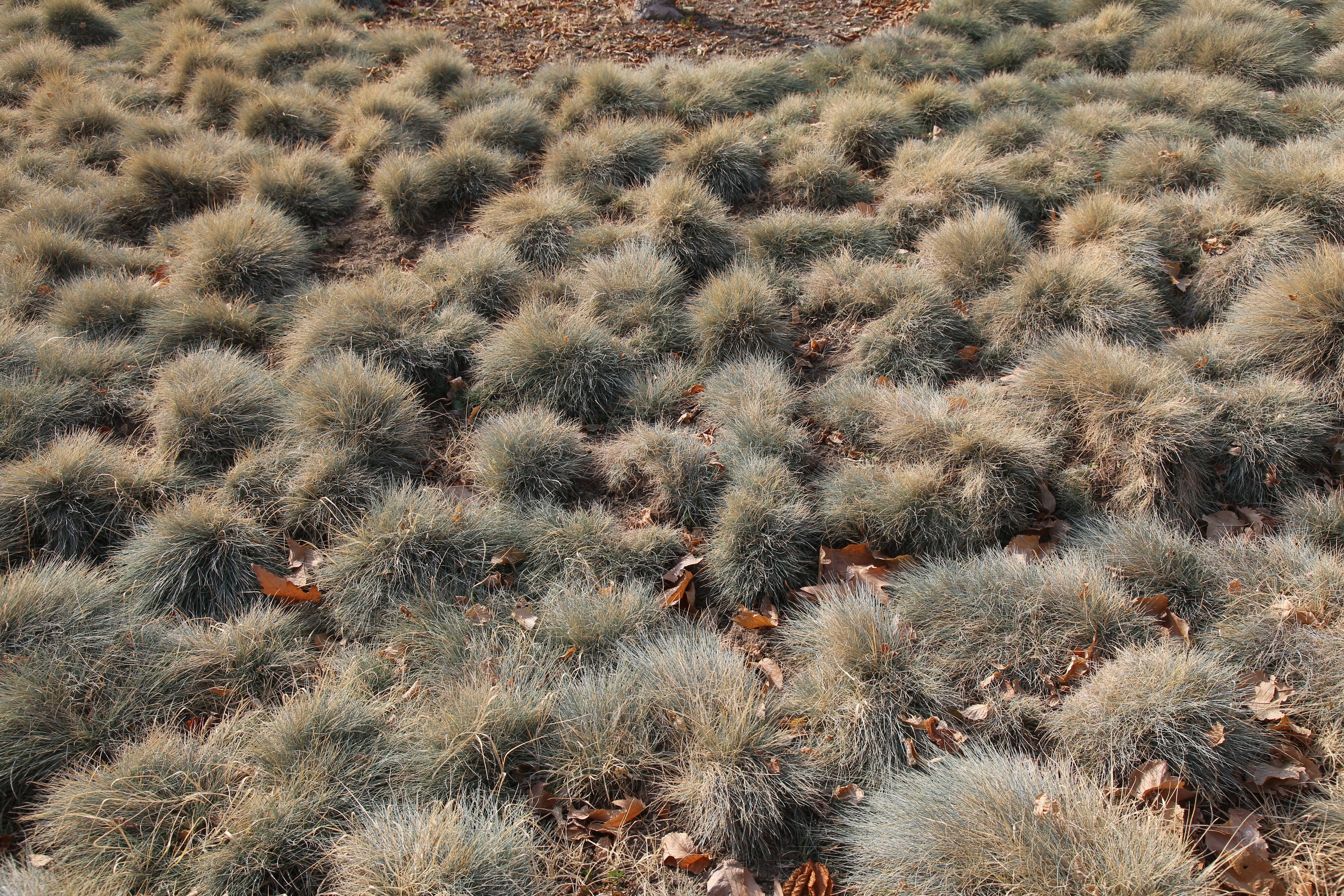
Festuca glauca, also known as Blue Fescue, is a low-growing perennial ornamental grass, valued for its metallic blue-grey foliage. It forms dense, rounded clumps that add texture and contrast to rock gardens, path edgings, or as ground cover. It is ideal for low-maintenance designs and xeriscape gardens.
Native range
Central and Southern Europe, North Africa
Care tips
It requires full sun to maintain its most intense blue coloration, though it tolerates partial shade in very hot climates. Watering should be moderate; it is a drought-tolerant plant once established, so overwatering is its main enemy, especially in winter. It prefers well-drained soils, even poor or sandy ones. Avoid heavy, wet soils, which can lead to root rot.
How to save a dying Blue fescue
- Warning signs
- Leaves losing their blue color, turning brown or yellowish, looking limp and dry, or the center of the clump rotting.
- First aid
- Remove dry, dead foliage. If potted, check drainage. If in ground, improve soil aeration. Reduce watering if rot is the issue.
- What kills it
- Excessive moisture or poor drainage, especially in winter, leading to crown rot. Also extreme heat and prolonged drought.
- Can it be saved?
- Yes, if you act quickly. If only part is affected, you can divide the clump and replant healthy sections.