Sorghum (Sorghum bicolor)
Care, watering, light and tips for Sorghum on Floravia.
Quick facts
- Family: Poaceae
- Difficulty: Easy to care for
- Watering: every 7 days
- Light: Partial shade
- Temperature: 10–30 °C
- Toxicity: Toxic to pets
About Sorghum
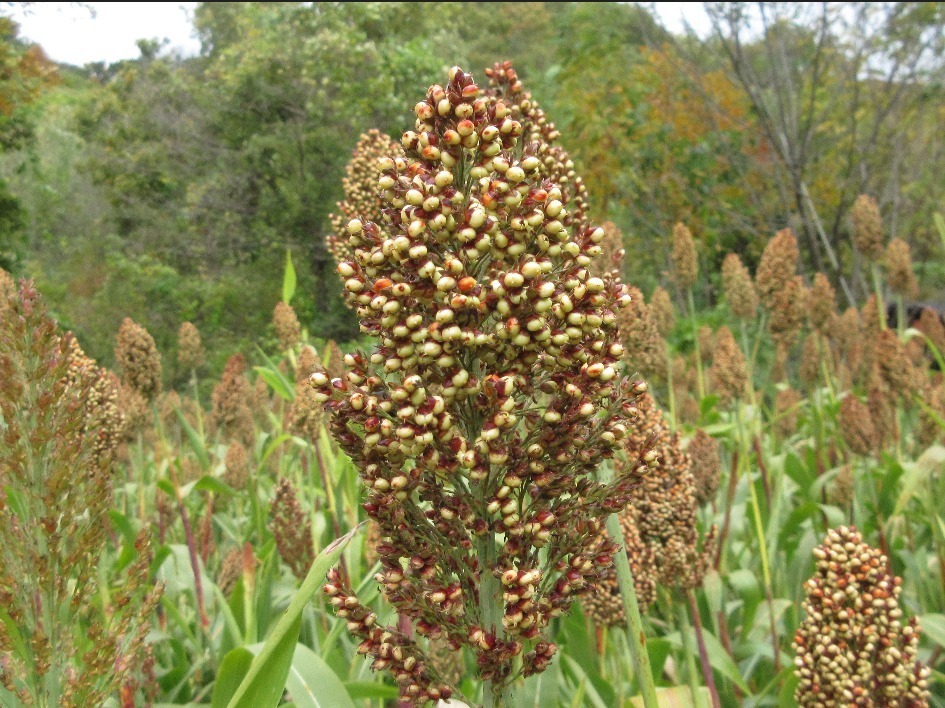
Sorghum (Sorghum bicolor), also known as durra, is a robust cereal from the Poaceae family, native to Africa. It is characterized by its tall stems, which can reach several meters in height, and its large paniculate inflorescences that house numerous grains, varying in color from white to dark reddish. It is a plant primarily cultivated for its grains, used for human and animal consumption and ethanol production, thus its value is more agricultural than ornamental.
Native range
Northeastern and East Africa
Care tips
Sorghum is a full-sun plant requiring at least 6-8 hours of direct sunlight daily for optimal growth. Although it tolerates drought once established, regular and moderate watering is beneficial, especially during flowering and grain filling. It prefers well-drained, fertile soils with a slightly acidic to neutral pH. A common mistake to avoid is excessive nitrogen fertilization at the beginning, which can promote excessive vegetative growth at the expense of grain production.
How to save a dying Sorghum
- Warning signs
- Rolled or yellowing leaves, stunted growth, barren or withered heads.
- First aid
- Ensure consistent watering, avoiding waterlogging, especially during flowering. Check soil drainage.
- What kills it
- Prolonged drought during critical stages (flowering/grain filling) or severely compacted soils.
- Can it be saved?
- Yes, if water deficiency or soil issues are corrected before irreversible damage occurs.