Wild oat (Avena fatua)
Care, watering, light and tips for Wild oat on Floravia.
Quick facts
- Family: Poaceae
- Difficulty: Demanding
- Watering: every 7 days
- Light: Partial shade
- Temperature: 10–30 °C
- Toxicity: Toxic to pets
About Wild oat
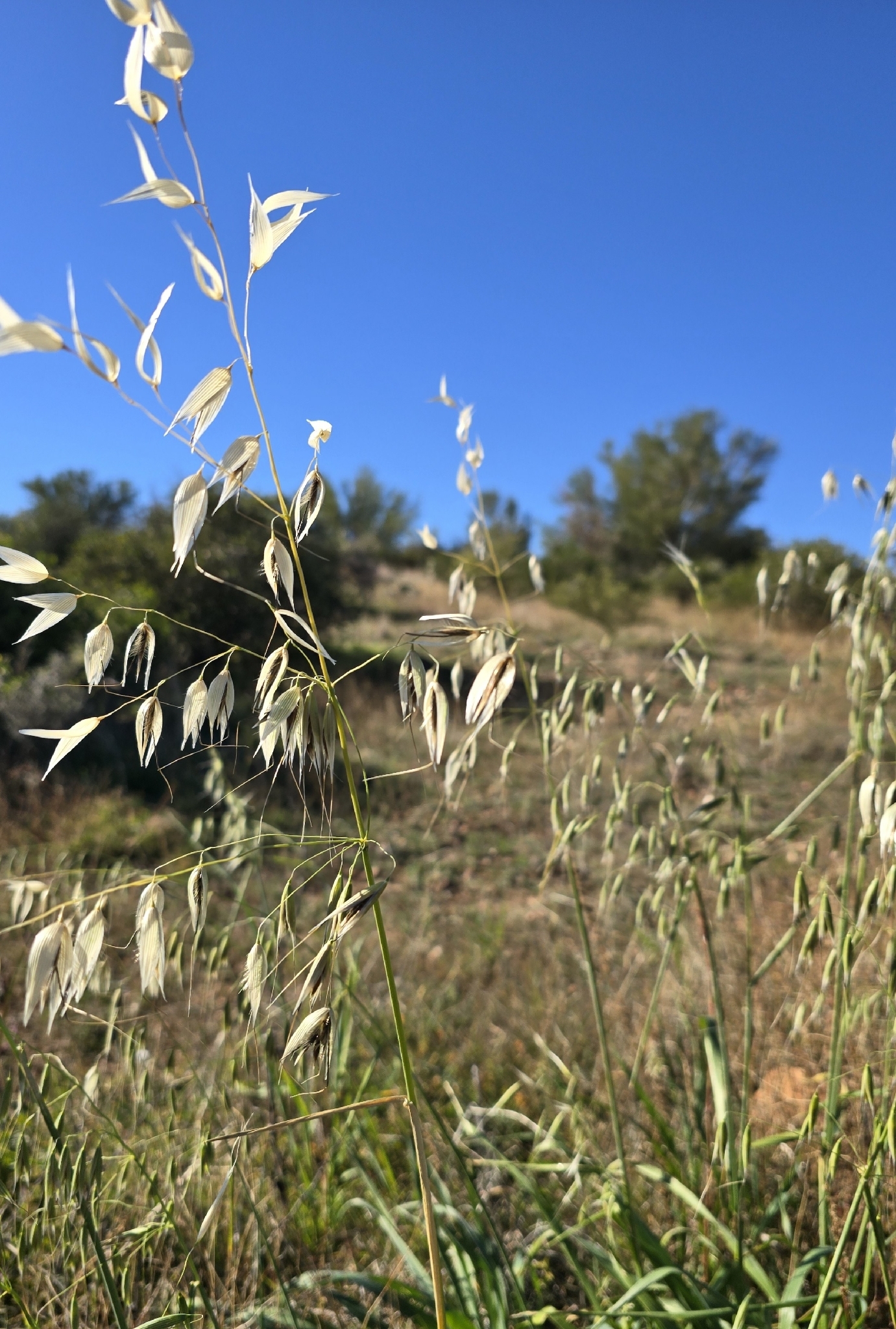
Avena fatua, commonly known as "wild oat", is an annual grass characterized by its drooping spikelets and rapid growth. Although often considered a weed in agricultural settings, its delicate inflorescences can add a rustic and natural touch to country-style gardens or ornamental meadows, offering subtle movement with the breeze. Its presence is ideal for recreating wild environments or for those seeking a less formal aesthetic in their landscaping.
Native range
Europe, Asia, and North Africa
Care tips
Avena fatua thrives in full sun, requiring at least 6 hours of direct light per day for optimal growth. It is a low-maintenance plant regarding watering, tolerating periods of drought once established, although moderate watering in very dry climates can promote its development. It prefers well-drained soils and is not particular about composition, adapting to a wide range of substrates, even poor ones. The most common mistake to avoid is allowing it to spread uncontrollably in unwanted areas, as its self-seeding capacity is very high.
How to save a dying Wild oat
- Warning signs
- Rolled, dry leaves, weak or empty spikelets, general yellowing.
- First aid
- Ensure adequate watering if soil is dry. If it's a weed, pull it out! If cultivated, check nutrients.
- What kills it
- Prolonged drought during key growth stages or excessive competition from other plants.
- Can it be saved?
- Yes, if you act quickly against drought or competition. It's resilient, but not invincible.