Indian goosegrass (Eragrostis pilosa)
Care, watering, light and tips for Indian goosegrass on Floravia.
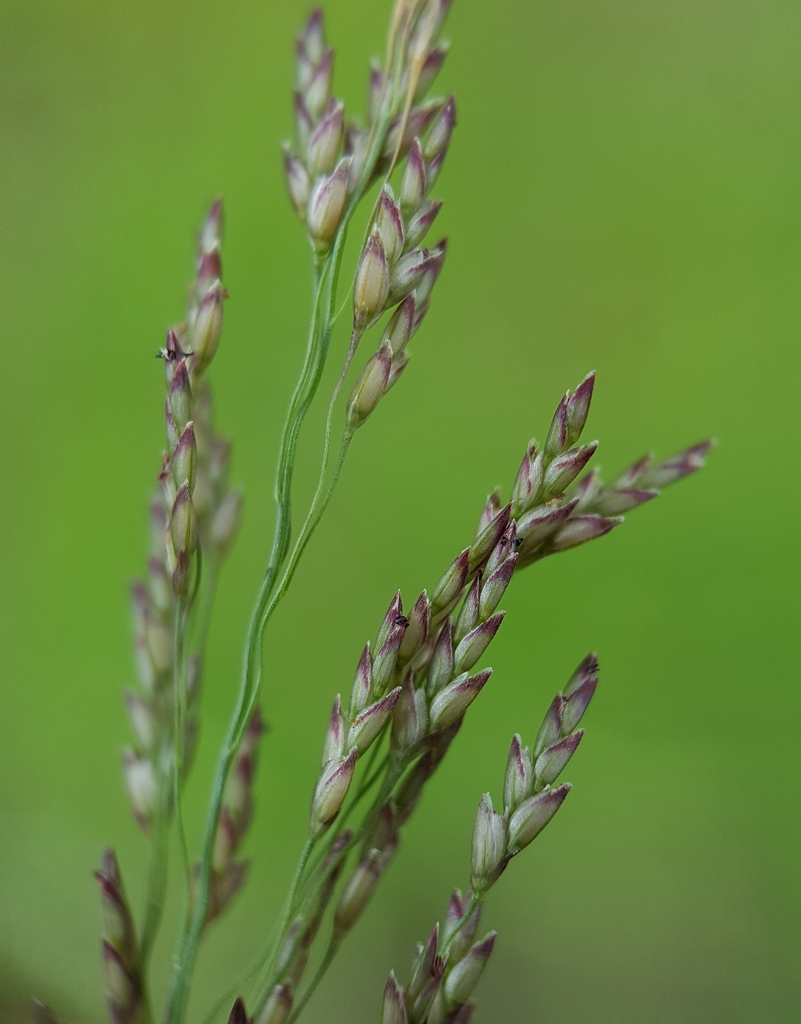
Quick facts
- Family: Poaceae
- Difficulty: Easy to care for
- Watering: every 7 days
- Light: Partial shade
- Temperature: 10–30 °C
About Indian goosegrass
Eragrostis pilosa, commonly known as Jersey Love-grass, is an annual grass from the Poaceae family, characterized by its airy, delicate panicles that give it a light and ethereal appearance. Its fine stems and green to purplish spikelets create a soft texture, ideal for naturalistic gardens, meadows, or as a filler plant in borders and beds. It is often considered a pioneering or colonizing weed in disturbed soils.
Native range
Europe and temperate Asia
Care tips
This grass prefers full sun exposure for optimal growth, although it tolerates some partial shade. It is very drought-tolerant once established, so watering should be minimal, avoiding waterlogging. It adapts to a wide variety of soils, even poor and sandy ones, as long as they have good drainage. A common mistake is overwatering, which can lead to root rot.
How to save a dying Indian goosegrass
- Warning signs
- Dry, yellowing or brown leaves, especially at the base; stunted or sparse growth.
- First aid
- Remove dry leaves. Ensure good sun exposure and water only when substrate is dry to touch.
- What kills it
- Overwatering, leading to root rot, or complete lack of light.
- Can it be saved?
- Yes, if roots are not entirely rotted and it gets proper light and watering.