Little lovegrass (Eragrostis minor)
Care, watering, light and tips for Little lovegrass on Floravia.
Quick facts
- Family: Poaceae
- Difficulty: Easy to care for
- Watering: every 7 days
- Light: Partial shade
- Temperature: 10–30 °C
About Little lovegrass
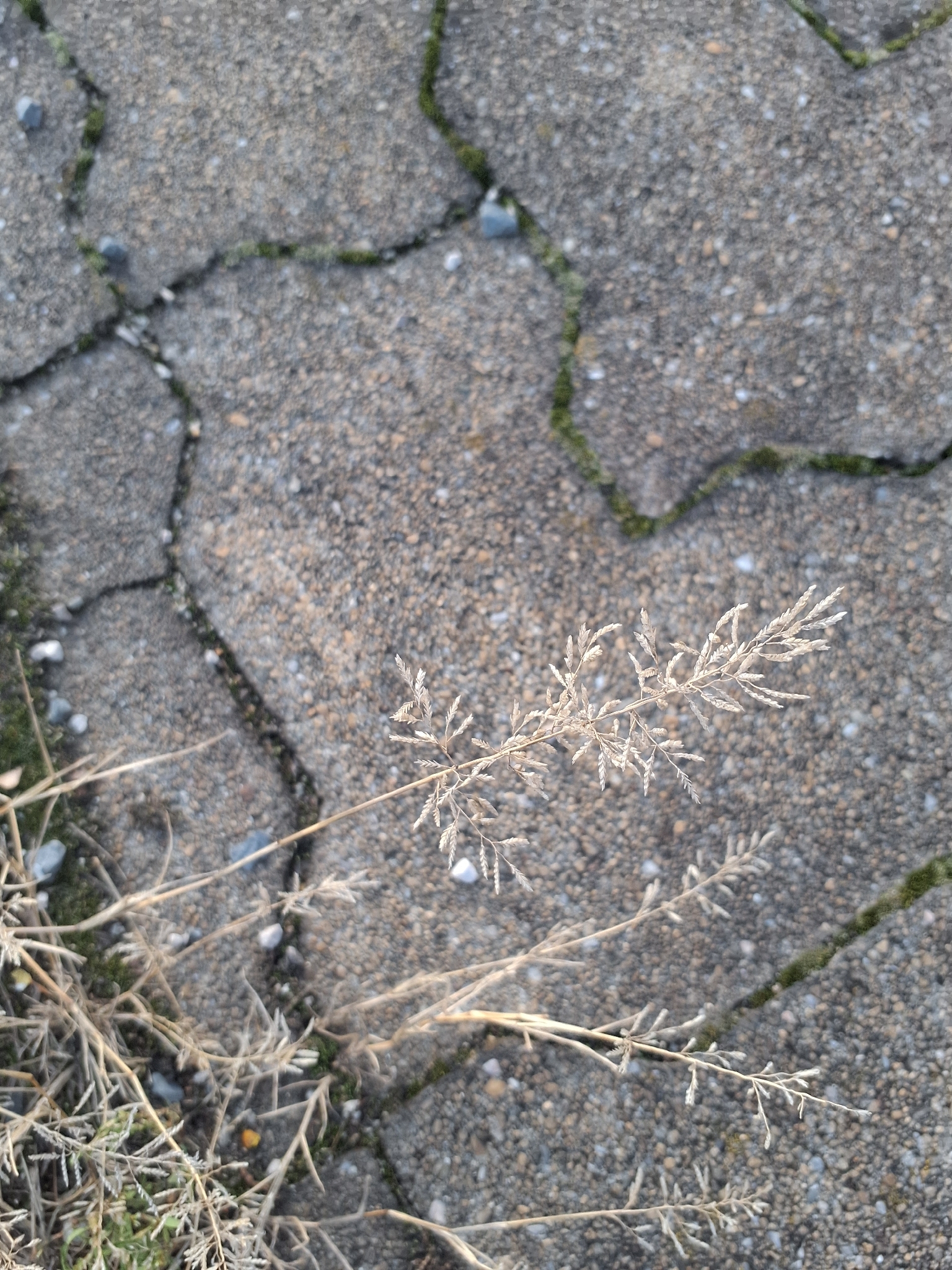
Eragrostis minor, also known as "little lovegrass," is a modest-sized annual grass characterized by its open, delicate panicles, which give it an airy and light appearance. It's an ideal plant for low-maintenance gardens, rockeries, or as ground cover in dry areas, adding a fine texture and subtle movement with the breeze. Its presence is especially valued in naturalistic or xeriscaping landscapes, where its resilience and adaptability truly shine.
Native range
Europe and temperate Asia
Care tips
This grass prefers full sun exposure for optimal growth, although it can tolerate some partial shade. It is very drought-tolerant once established, so watering should be sporadic and only when the soil is completely dry. Well-drained soil is crucial; poor, sandy soils are ideal, strictly avoiding waterlogging. A common mistake is overwatering, which can lead to root rot and weaken the plant.
How to save a dying Little lovegrass
- Warning signs
- Yellowish or brown leaves, general wilting, stunted growth.
- First aid
- Move to a less sunny spot if exposed. Water if soil is dry.
- What kills it
- Overwatering (soggy soil) or complete lack of water during dry spells.
- Can it be saved?
- Yes, if roots aren't completely rotted or dried out. Act quickly.