Creeping soft grass (Holcus mollis)
Care, watering, light and tips for Creeping soft grass on Floravia.
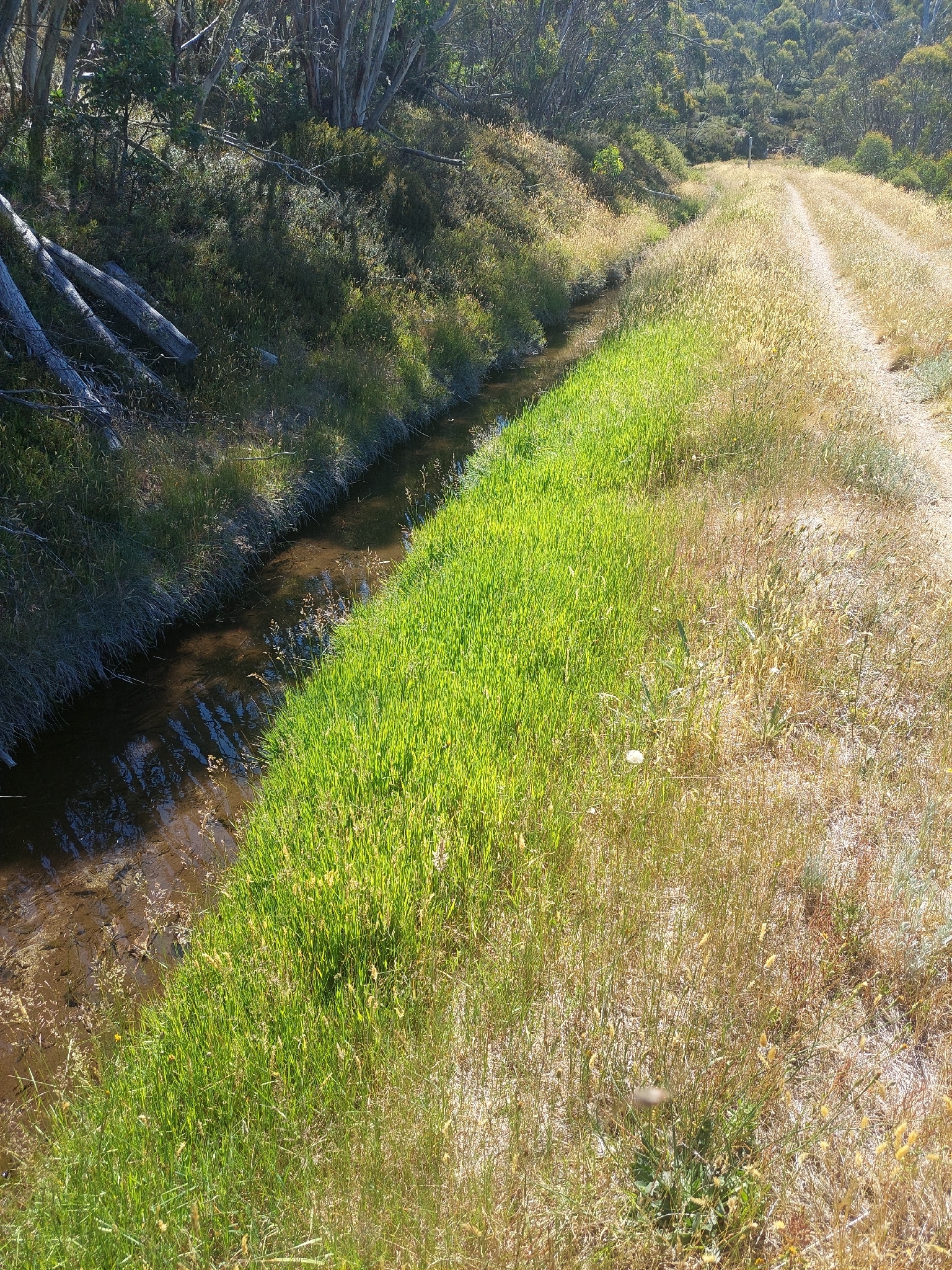
Quick facts
- Family: Poaceae
- Difficulty: Easy to care for
- Watering: every 7 days
- Light: Partial shade
- Temperature: 10–30 °C
About Creeping soft grass
Holcus mollis, commonly known as creeping soft-grass, is a perennial grass from the Poaceae family, characterized by its soft, velvety leaves and feathery flower spikes. It forms dense, spreading clumps, ideal for ground cover in shaded areas or for adding texture to naturalistic gardens. Its light green foliage brings freshness and is an excellent choice for woodland gardens or under trees.
Native range
Europe and Western Asia
Care tips
It prefers partial to full shade, though it can tolerate some sun if the soil is kept moist. Watering should be regular to keep the substrate consistently damp, especially in dry climates, but avoiding waterlogging. It adapts to a wide variety of soils, but prefers those rich in organic matter and well-drained. A common mistake is planting it in full sun in warm climates, which can lead to scorched leaves and poor growth.
How to save a dying Creeping soft grass
- Warning signs
- Yellowish or brown leaves, general wilting, stunted growth. It can dry out quickly if not addressed.
- First aid
- Move it to a partially shaded, cool spot. Water generously if soil is dry; if waterlogged, drain or repot. Increase humidity.
- What kills it
- Excessive soil and air dryness. Also prolonged, direct sun exposure, which scorches its delicate leaves.
- Can it be saved?
- Yes! It's resilient. With water, shade, and humidity, it recovers. Remove very dry parts to encourage new growth.