Durum wheat (Triticum turgidum)
Care, watering, light and tips for Durum wheat on Floravia.
Quick facts
- Family: Poaceae
- Difficulty: Easy to care for
- Watering: every 7 days
- Light: Partial shade
- Temperature: 10–30 °C
About Durum wheat
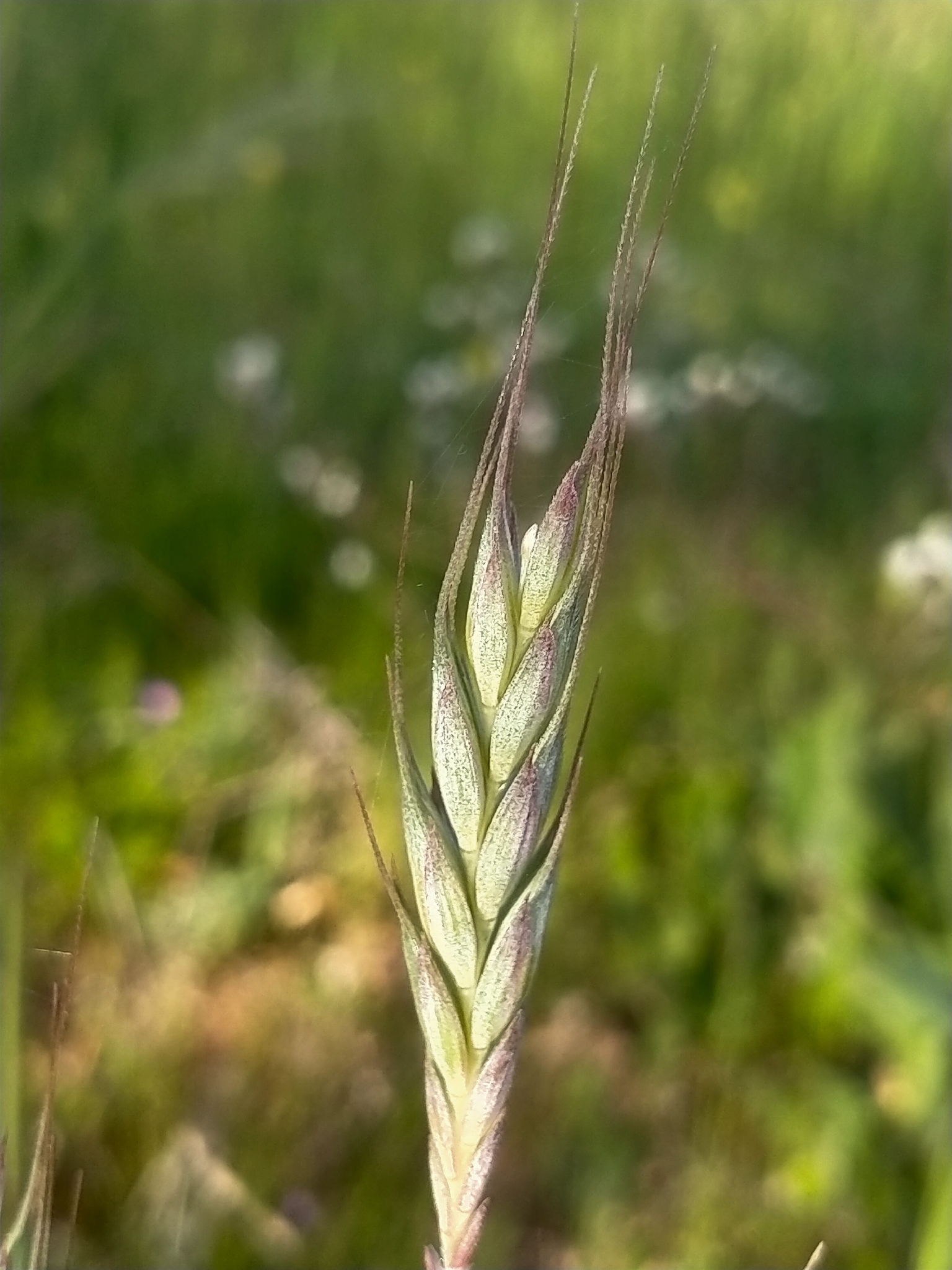
Durum wheat, Triticum turgidum, is a widely cultivated cereal species, known for its protein-rich grains and robustness. It is an annual herbaceous plant reaching heights of 0.6 to 1.5 meters, with erect stems and lance-shaped leaves. While primarily an agricultural crop, its golden spikes can add a rustic and natural touch to country-style gardens or as part of dried flower arrangements.
Native range
Fertile Crescent (Near East)
Care tips
Durum wheat requires full sun for optimal growth, at least 6-8 hours daily of direct sunlight. It prefers well-drained, fertile soils with a neutral to slightly alkaline pH; a loamy-clay substrate is ideal. Watering should be regular during the initial growth and flowering stages, ensuring the soil remains moist but not waterlogged, reducing frequency once the grains begin to mature. A common mistake is late planting in areas with harsh winters, which can negatively affect spike development and grain quality.
How to save a dying Durum wheat
- Warning signs
- Rolled, yellowed, or whitish leaves, stunted or empty ears.
- First aid
- Check soil moisture, ensure good drainage and adequate sun exposure (full sun).
- What kills it
- Constant waterlogging, prolonged drought during critical stages, or lack of essential nutrients.
- Can it be saved?
- Yes, if the cause is corrected quickly and ear damage is not irreversible.