St Augustine grass (Stenotaphrum dimidiatum)
Care, watering, light and tips for St Augustine grass on Floravia.
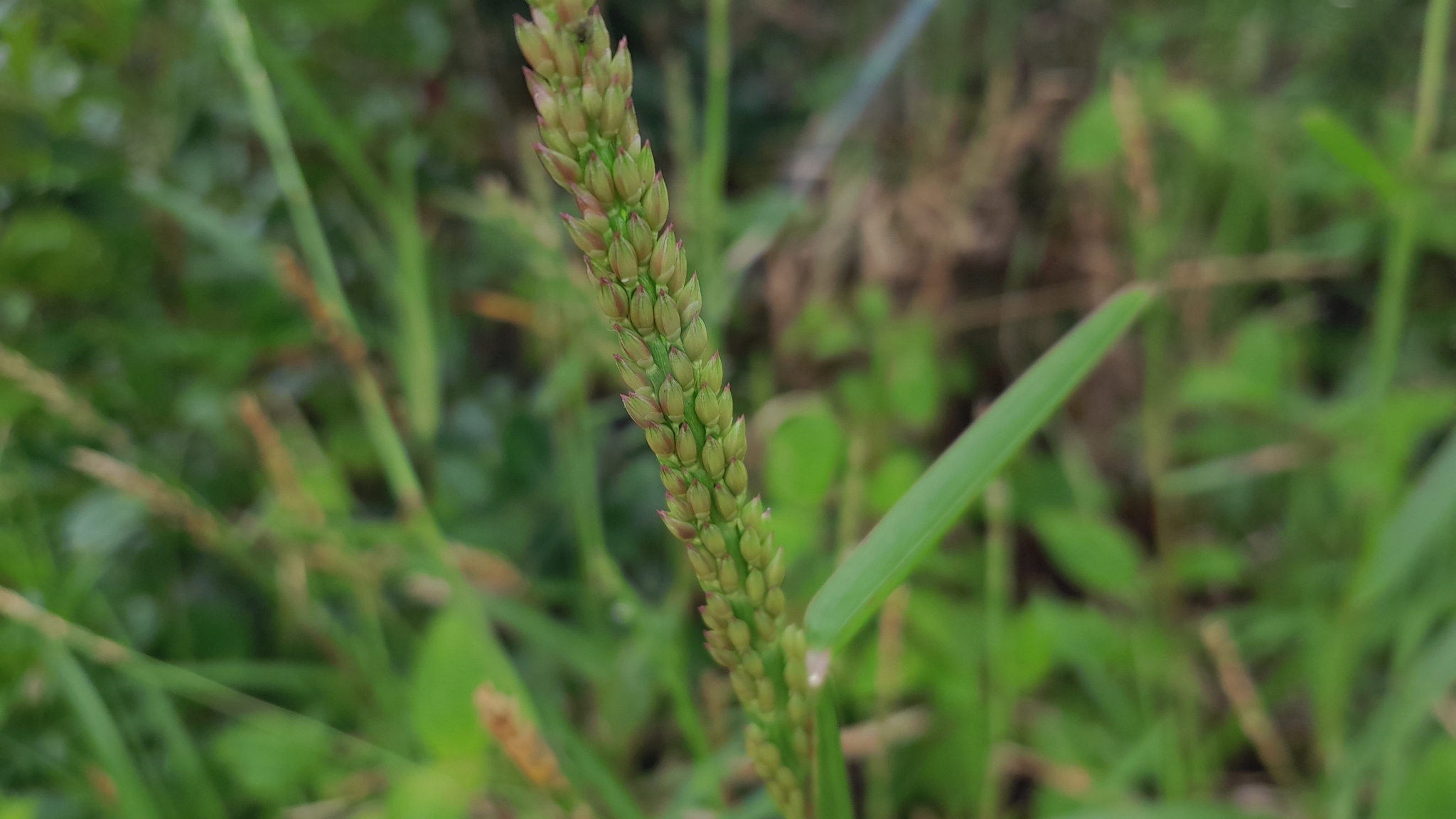
Quick facts
- Family: Poaceae
- Difficulty: Easy to care for
- Watering: every 7 days
- Light: Partial shade
- Temperature: 10–30 °C
About St Augustine grass
Stenotaphrum dimidiatum, commonly known as Sangariatra bé malandi or Salalia na poundra, is a perennial, creeping grass that forms dense mats. It is characterized by its broad, flattened, bright green leaves, creating a lush carpet. It is ideal for covering large areas, such as ornamental lawns or erosion control areas in tropical and subtropical climates.
Native range
Tropical regions of East Africa, Madagascar, Mascarene Islands, and India
Care tips
This species thrives in full sun, though it tolerates some partial shade; lack of direct light can reduce its density. It requires regular watering to keep the soil moist, especially during dry periods, but it's important to avoid waterlogging. It prefers well-drained, fertile soils with good organic matter content. A common mistake is over-fertilization, which can lead to excessive growth and reduced disease resistance.
How to save a dying St Augustine grass
- Warning signs
- Yellow or brown, wilted leaves, dry patches not recovering after watering.
- First aid
- Deep watering if soil is dry. If waterlogged, aerate the soil.
- What kills it
- Lack of watering in summer or excessive soil compaction hindering drainage and aeration.
- Can it be saved?
- Yes, if roots are not completely rotted or dried out. Act quickly.