Blue fescue (Festuca laevigata)
Care, watering, light and tips for Blue fescue on Floravia.
Quick facts
- Family: Poaceae
- Difficulty: Easy to care for
- Watering: every 7 days
- Light: Partial shade
- Temperature: 10–30 °C
About Blue fescue
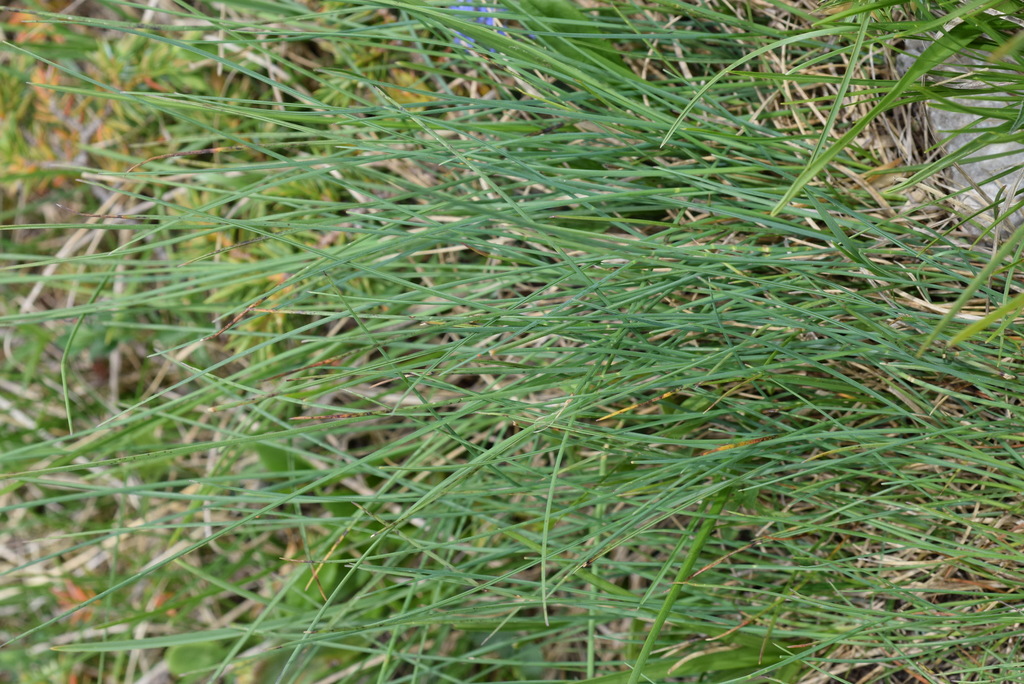
Festuca laevigata, also known as Fétuque lisse, is a dense, low-growing perennial grass that forms attractive clumps of fine, glaucous leaves. Its blue-gray foliage gives it an elegant and distinctive appearance, ideal for rock gardens, borders, or as ground cover in dry areas. It's an excellent choice for adding texture and color to low-maintenance landscapes.
Native range
Europe and North Africa
Care tips
It requires full sun to maintain its most intense coloration and a compact form. Watering should be scarce once established, as it tolerates drought very well, and excess water can rot its roots. It prefers well-drained, sandy, or stony soils, and it is crucial to avoid heavy and wet substrates. A common mistake is overwatering, which leads to rot and a shorter lifespan.
How to save a dying Blue fescue
- Warning signs
- Leaves losing their bluish color, turning yellow or brown, especially from the base. Lacks vigor, no longer forming its characteristic compact clump.
- First aid
- Check drainage and soil moisture. If potted, ensure no waterlogging. In ground, improve aeration, avoid overwatering. If dry, hydrate gradually. Prune dead foliage.
- What kills it
- Excessive moisture and poor drainage are its biggest foes, leading to root rot. Intense direct sun in hot climates can also scorch it.
- Can it be saved?
- Yes, if rot is not too advanced. Remove plant, inspect roots, trim rotten parts, and replant in well-draining soil. Patience is key.