Guinea grass (Urochloa jubata)
Care, watering, light and tips for Guinea grass on Floravia.
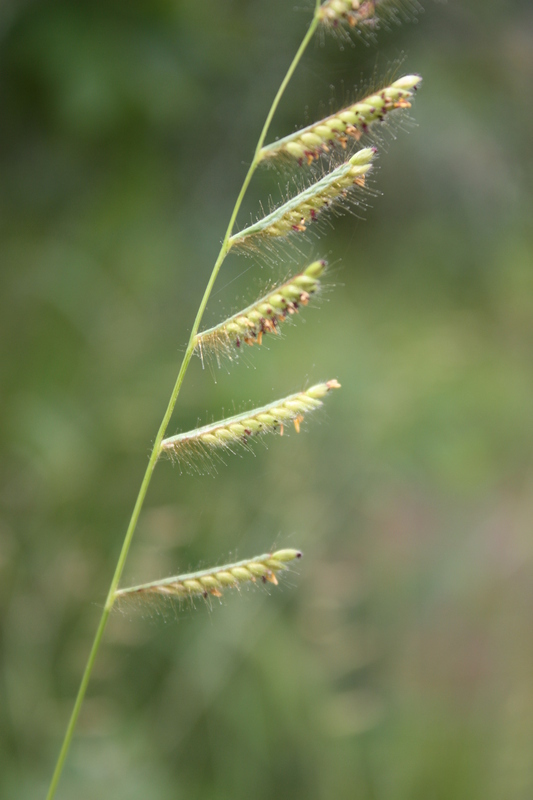
Quick facts
- Family: Poaceae
- Difficulty: Easy to care for
- Watering: every 7 days
- Light: Partial shade
- Temperature: 10–30 °C
About Guinea grass
Urochloa jubata, commonly known as Guinea Grass, is a fast-growing perennial grass native to Africa. It is characterized by its tall, robust stems, which can reach several meters in height, and its feathery inflorescences. While valued in some regions as fodder, its rapid growth and dispersal capabilities make it an invasive species in many tropical and subtropical ecosystems, where it forms dense stands that displace native flora.
Native range
Sub-Saharan Africa
Care tips
As an invasive species, the care for Urochloa jubata generally focuses on its control and eradication, not its cultivation. If found in an environment where its growth is desired (e.g., as managed fodder), it requires full sun and can tolerate a wide range of soils, though it prefers well-drained ones. Its drought resistance and rapid regrowth capacity make it highly adaptable. The most common mistake is allowing its uncontrolled dispersal, which can lead to severe ecological problems.
How to save a dying Guinea grass
- Warning signs
- Yellow or brown, rolled, dry, and brittle leaves; stunted growth.
- First aid
- Ensure adequate and consistent watering, but avoid waterlogging. Prevent water stress.
- What kills it
- Prolonged drought or lack of watering, especially during dry, hot periods.
- Can it be saved?
- Yes, if roots are not completely dry; it recovers with regular watering.