Rhodes grass (Chloris gayana)
Care, watering, light and tips for Rhodes grass on Floravia.
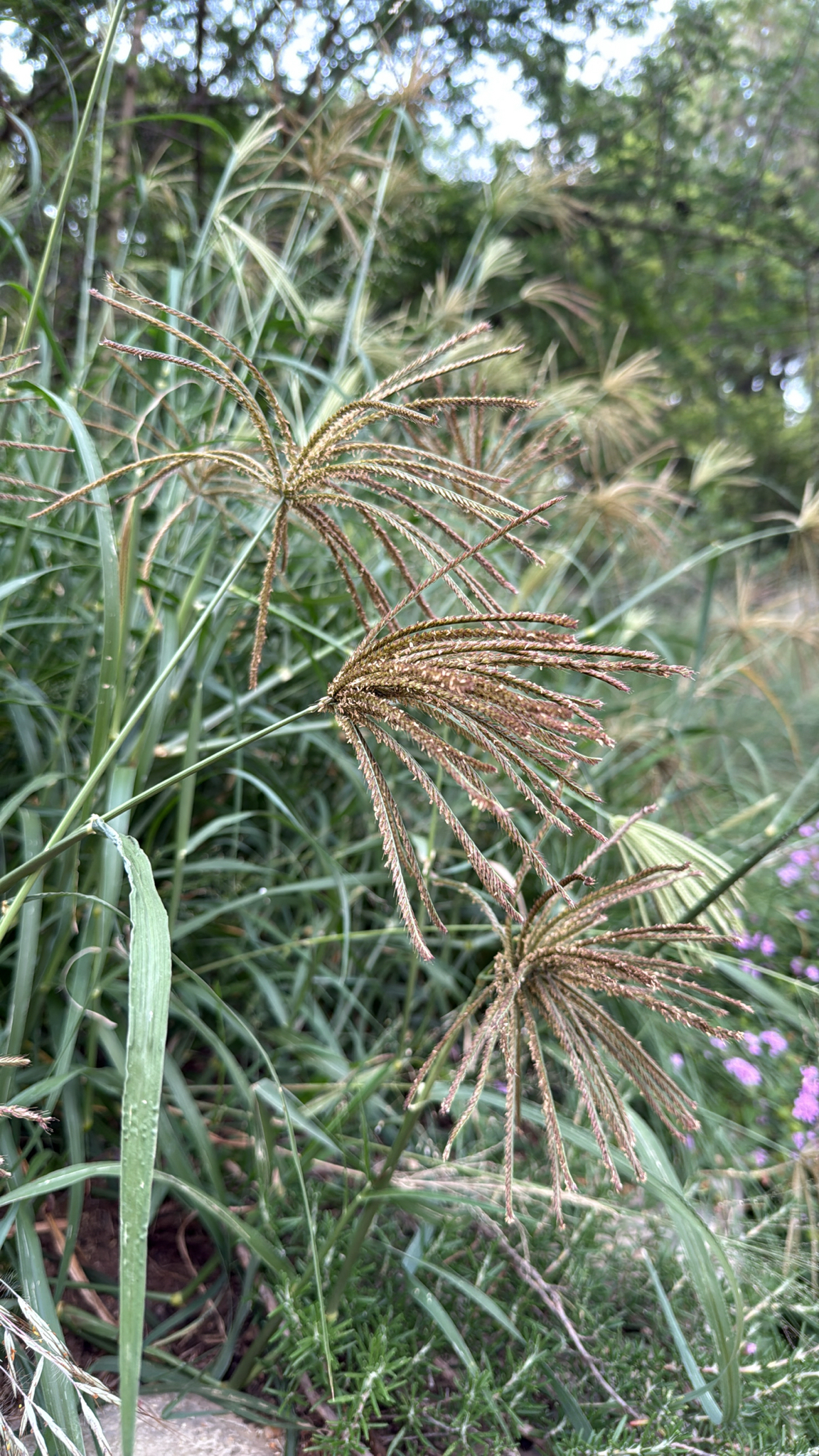
Quick facts
- Family: Poaceae
- Difficulty: Easy to care for
- Watering: every 3 days
- Light: Partial shade
- Temperature: 10–30 °C
About Rhodes grass
Chloris gayana, commonly known as Rhodes grass, is a robust, fast-growing perennial grass native to Africa. It develops erect or decumbent stems with long, narrow green leaves, forming dense tussocks. It is ideal for soil revegetation, erosion control, and as forage in pastures.
Native range
Sub-Saharan Africa
Care tips
It prefers full sun for optimal growth, though it tolerates partial shade. It is drought-tolerant once established, but benefits from moderate watering during dry periods to maintain its vigor. It adapts to a wide range of soils, from sandy to clayey, as long as they have good drainage. Avoid overgrazing or cutting too low, as this can weaken the plant and reduce its productivity.
How to save a dying Rhodes grass
- Warning signs
- Yellowish or whitish leaves, slow or no growth, dry and brittle patches.
- First aid
- Ensure deep, regular watering, but avoid waterlogging. Check soil drainage and aeration. Reduce nitrogen fertilizers if yellowing is uniform.
- What kills it
- Prolonged drought (very sensitive), compacted or nutrient-poor soils, excess nitrogen weakening roots.
- Can it be saved?
- Yes, it's resilient. With proper watering, loose soil, and balanced nutrients, it can recover.