Crabgrass (Digitaria serotina)
Care, watering, light and tips for Crabgrass on Floravia.
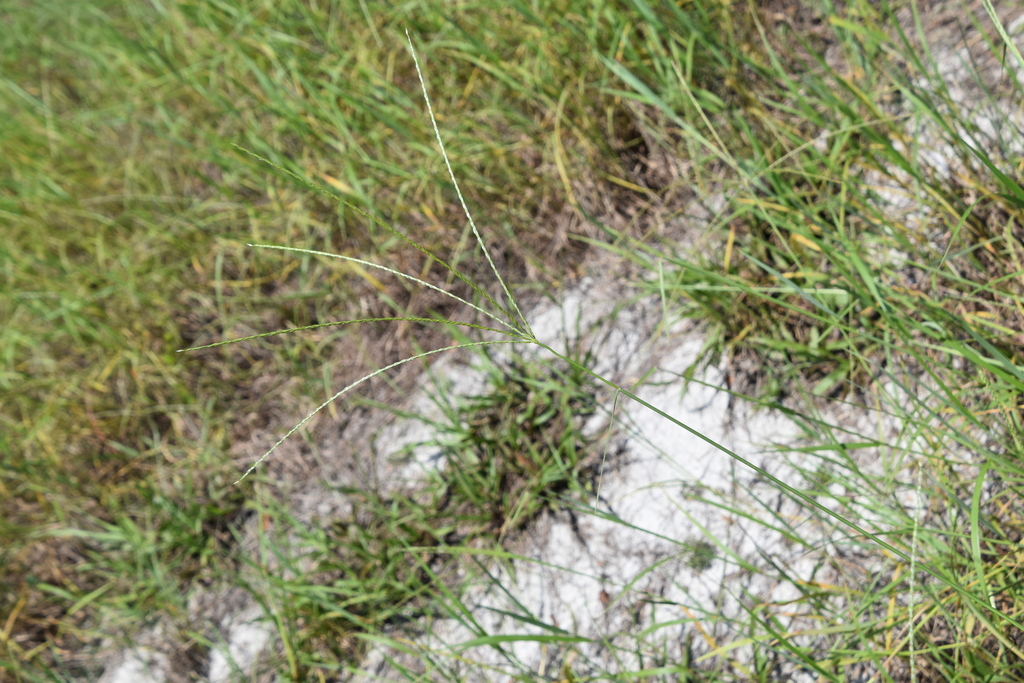
Quick facts
- Family: Poaceae
- Difficulty: Moderate care
- Watering: every 7 days
- Light: Partial shade
- Temperature: 10–30 °C
About Crabgrass
Digitaria serotina, commonly known as dwarf crabgrass, is an annual grass in the Poaceae family, characterized by its prostrate stems and short, broad leaves. It forms dense, low-growing mats, making it a common invasive species in lawns and gardens. While often considered a weed, its ground-covering ability makes it useful for erosion control in disturbed areas.
Native range
Tropical and subtropical Asia
Care tips
Dwarf crabgrass thrives in full sun and well-drained soils, tolerating a wide range of conditions. It requires moderate watering but is quite drought-tolerant once established. It spreads easily by seed, so weed control is crucial if its presence is not desired. A common mistake is allowing it to flower and produce seeds, which ensures its return the following year.
How to save a dying Crabgrass
- Warning signs
- Yellowish or whitish leaves, weak and prostrate stems, stunted growth, or dry, brown patches in the lawn. Digitaria serotina is a tough weed, but these signs indicate severe stress.
- First aid
- Identify the stress cause. If drought, water deeply. If herbicide overdose, water abundantly to dilute. If compaction, aerate the soil with a rake or aerator.
- What kills it
- Excessive application of non-selective herbicides. Also suffocation from severe soil compaction or prolonged flooding. It rarely dies from lack of water, but from chronic stress.
- Can it be saved?
- Yes, if you act quickly to identify the stress cause. It's an adaptable plant. Manually remove badly damaged areas and improve soil and watering conditions for recovery.