Common reed (Phragmites australis)
Care, watering, light and tips for Common reed on Floravia.
Quick facts
- Family: Poaceae
- Difficulty: Easy to care for
- Watering: every 7 days
- Light: Partial shade
- Temperature: 10–30 °C
About Common reed
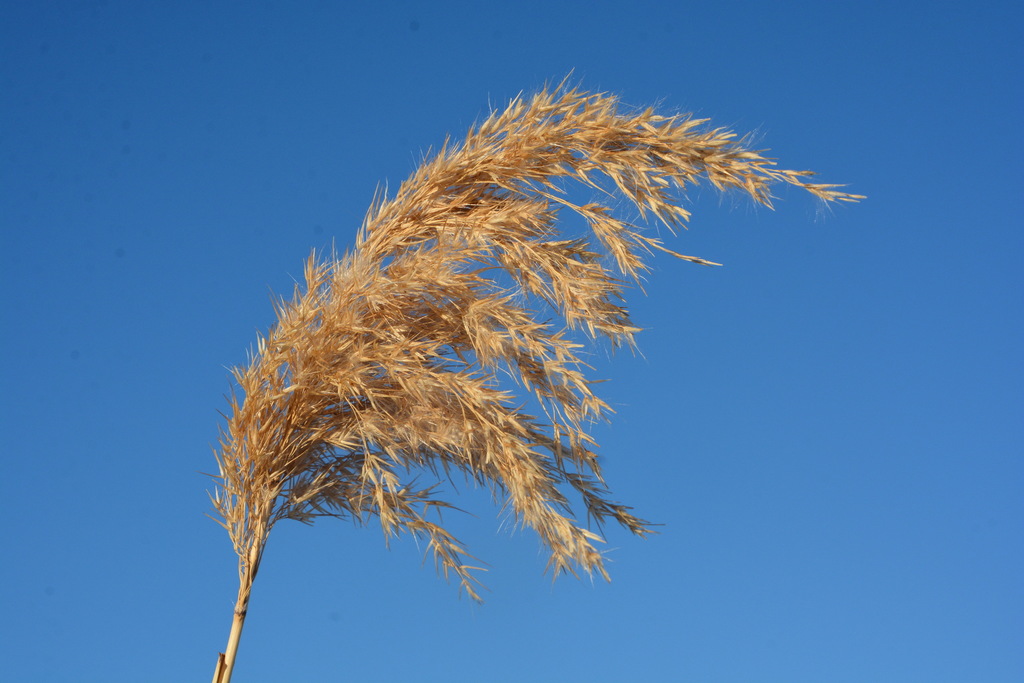
Phragmites australis, commonly known as common reed, is a tall and vigorous perennial grass that forms dense colonies in wetlands and aquatic areas. Its robust stems and long, narrow leaves culminate in feathery purple or brown panicles, creating a stunning natural landscape along riverbanks, lakeshores, and estuaries. It is ideal for aquatic ecosystem restoration or for adding a rustic, natural touch to large ponds and water gardens.
Native range
Europe, Asia, Africa, North America, and Australia
Care tips
This plant is extremely adaptable and low-maintenance once established. It prefers full sun exposure and consistently wet or inundated soils, tolerating a wide range of pH conditions. No additional fertilization is required, and it spreads vigorously, so it's crucial to monitor its expansion in controlled environments to prevent it from becoming invasive. The main mistake to avoid is planting it in small spaces where its expansive growth could be problematic.
How to save a dying Common reed
- Warning signs
- Yellowing or browning leaves, soft or dry stems, stunted growth.
- First aid
- Check water level (needs a lot), ensure good substrate aeration, review nutrients.
- What kills it
- Prolonged drought or excessive waterlogging without drainage, nutrient deficiency in poor soils.
- Can it be saved?
- Yes, if acting quickly and correcting humidity and nutrient conditions.