Elephant grass (Cenchrus purpureus)
Care, watering, light and tips for Elephant grass on Floravia.
Quick facts
- Family: Poaceae
- Difficulty: Easy to care for
- Watering: every 7 days
- Light: Partial shade
- Temperature: 10–30 °C
About Elephant grass
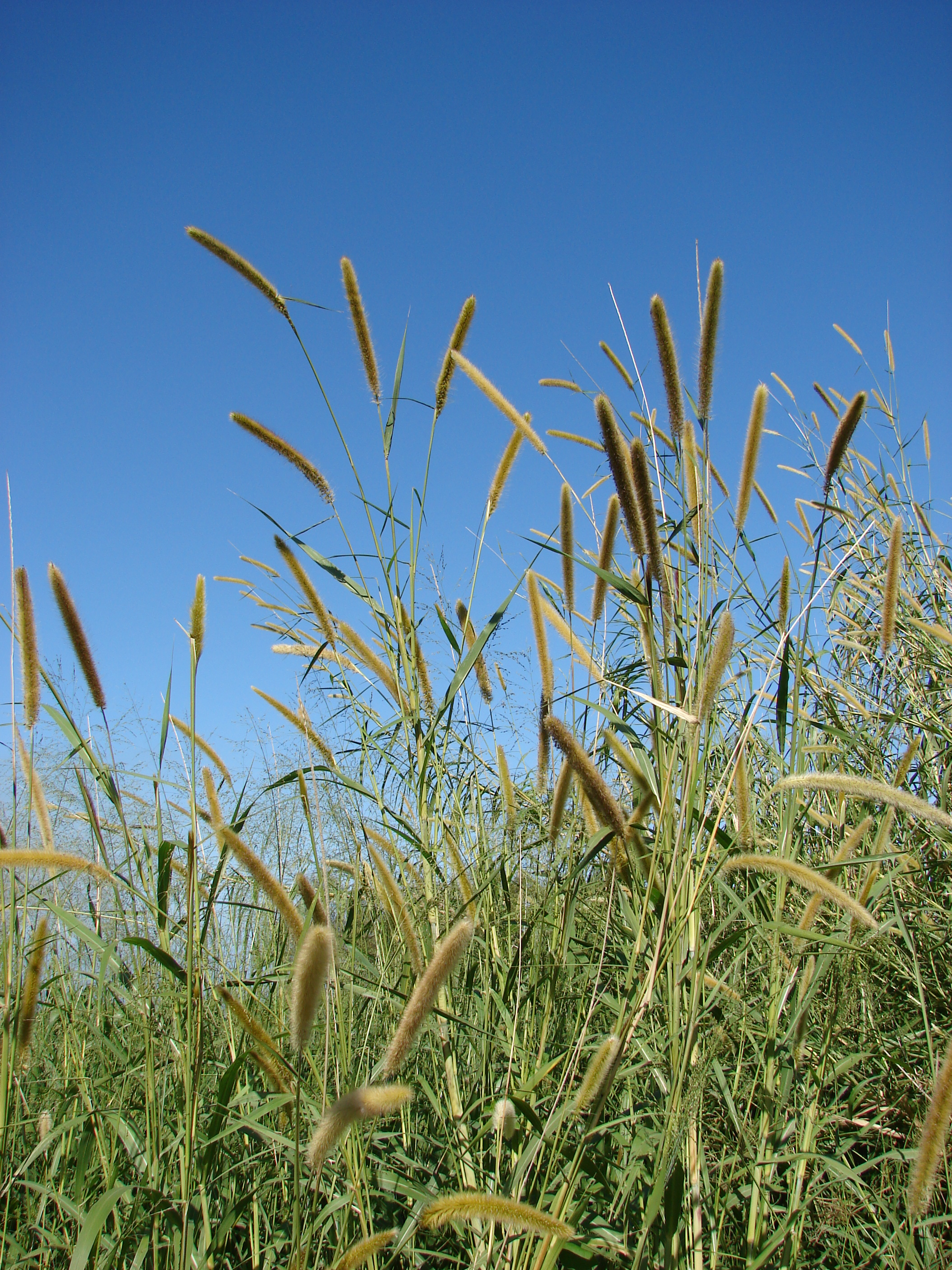
Cenchrus purpureus, commonly known as elephant grass or Napier grass, is a fast-growing perennial grass native to tropical and subtropical regions of Africa. It is characterized by its robust, tall stems that can reach up to 4 meters in height, forming dense clumps of long, wide leaves. It is ideal for soil stabilization, as fodder for livestock, or as a large ornamental plant in expansive landscapes where a screening or background effect is desired.
Native range
Tropical Africa
Care tips
It requires full sun for optimal growth and tolerates a wide range of soils, though it prefers well-drained and fertile ones. Watering should be regular, especially during dry periods, to keep the soil consistently moist, but avoiding waterlogging. Frequent pruning, at least once a year, is crucial to promote new shoot growth and maintain its vigor. A common mistake is not pruning it, which can lead to the plant becoming woody and less productive.
How to save a dying Elephant grass
- Warning signs
- Yellowish or brown leaves from base, slow growth, weak and drooping stems.
- First aid
- Move to full sun, check drainage, water deeply if soil is dry.
- What kills it
- Excessive shade, prolonged drought, or persistent waterlogging.
- Can it be saved?
- Yes, it's very resilient. Responds well to pruning and improved conditions.