Wheat (Triticum aestivum)
Care, watering, light and tips for Wheat on Floravia.
Quick facts
- Family: Poaceae
- Difficulty: Easy to care for
- Watering: every 7 days
- Light: Partial shade
- Temperature: 10–30 °C
About Wheat
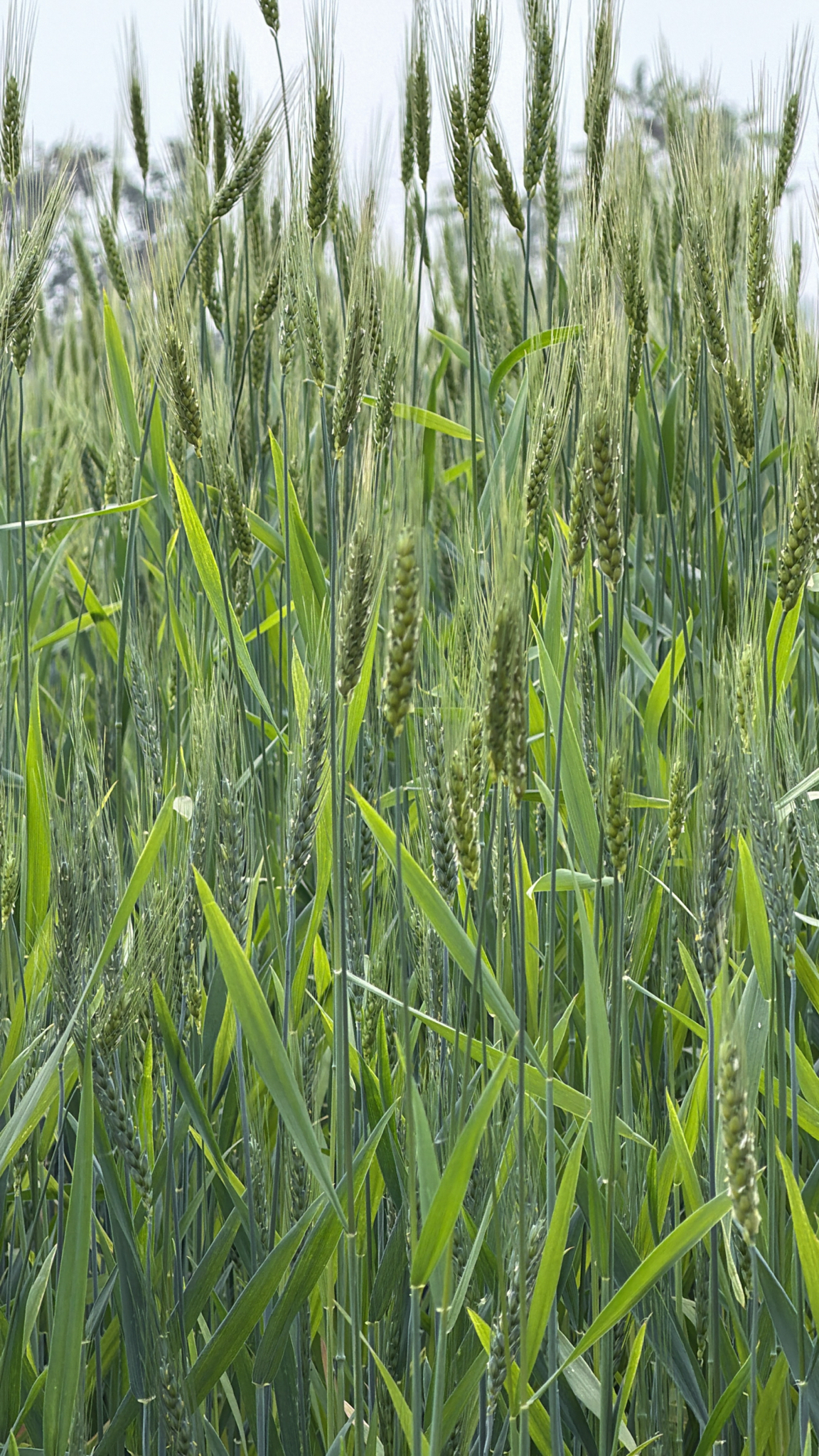
Triticum aestivum, commonly known as wheat, is an annual grass crucial for global food production. It is characterized by its dense spikes containing cereal grains, turning a pale golden color upon maturity. While its primary cultivation is agricultural, a small patch of wheat can add a rustic and educational touch to country-style gardens or school vegetable patches.
Native range
Fertile Crescent (Middle East)
Care tips
Wheat requires full sun for optimal development, at least 6-8 hours daily. It needs regular and consistent watering during early growth stages and grain formation, but avoid waterlogging. It prefers well-drained, fertile soils with good organic matter content. A common mistake is sowing too late in cold climates, which can prevent proper spike maturation.
How to save a dying Wheat
- Warning signs
- Yellowish or whitish leaves, weak or brittle stems, empty or shriveled small grains in ears. Stunted growth.
- First aid
- Assess soil (drainage, pH). Ensure adequate, not excessive, watering. Check for pests or fungal diseases. Apply fertilizer for deficiencies.
- What kills it
- Overwatering in early stages, compacted soil, nitrogen deficiency, uncontrolled fungal diseases, or untimely planting.
- Can it be saved?
- Yes, if acted upon quickly. Good soil and water management are key. Rapidly identifying the cause increases recovery chances.