Bulbous bluegrass (Poa bulbosa)
Care, watering, light and tips for Bulbous bluegrass on Floravia.
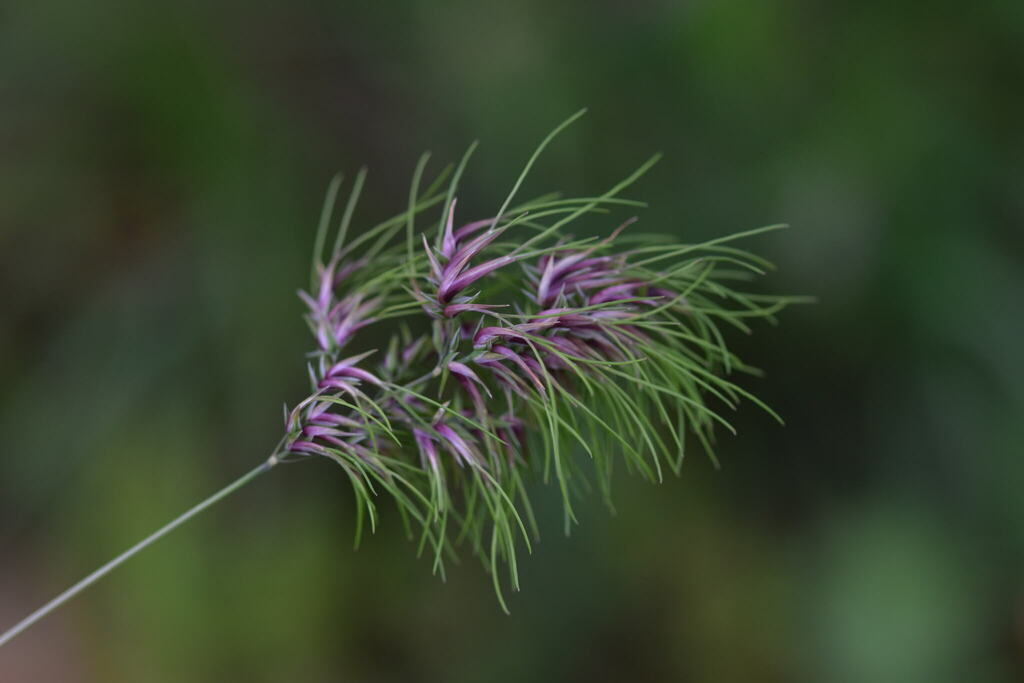
Quick facts
- Family: Poaceae
- Difficulty: Easy to care for
- Watering: every 7 days
- Light: Partial shade
- Temperature: 10–30 °C
About Bulbous bluegrass
Poa bulbosa, or Bulbous Bluegrass, is a low-growing perennial grass, distinguished by its bulbous bases that enable it to survive dry periods. It forms small tufts of fine, grayish-green leaves. It is ideal for rock gardens, dry meadows, or as a low-maintenance ground cover in arid areas.
Native range
Europe, Asia, and North Africa
Care tips
This species thrives in full sun and tolerates poor, well-drained soils, including sandy or rocky types. Watering should be minimal, as it is extremely drought-tolerant, and overwatering can lead to bulb rot. It's crucial to avoid waterlogging and excessive fertilization, as it thrives in low-nutrient conditions. Its life cycle is typically annual or biennial in many regions, though perennial in others, drying out in summer and regrowing with the rains.
How to save a dying Bulbous bluegrass
- Warning signs
- Yellowish or brown leaves, wilting, dry and straw-like appearance, stunted growth.
- First aid
- Move to a cool, shaded spot, water moderately if soil is dry, improve drainage.
- What kills it
- Overwatering in heavy soils, leading to bulb and root rot.
- Can it be saved?
- Yes, if quick action is taken to remove excess moisture and improve the environment.