Saltmeadow cordgrass (Sporobolus spartinae)
Care, watering, light and tips for Saltmeadow cordgrass on Floravia.
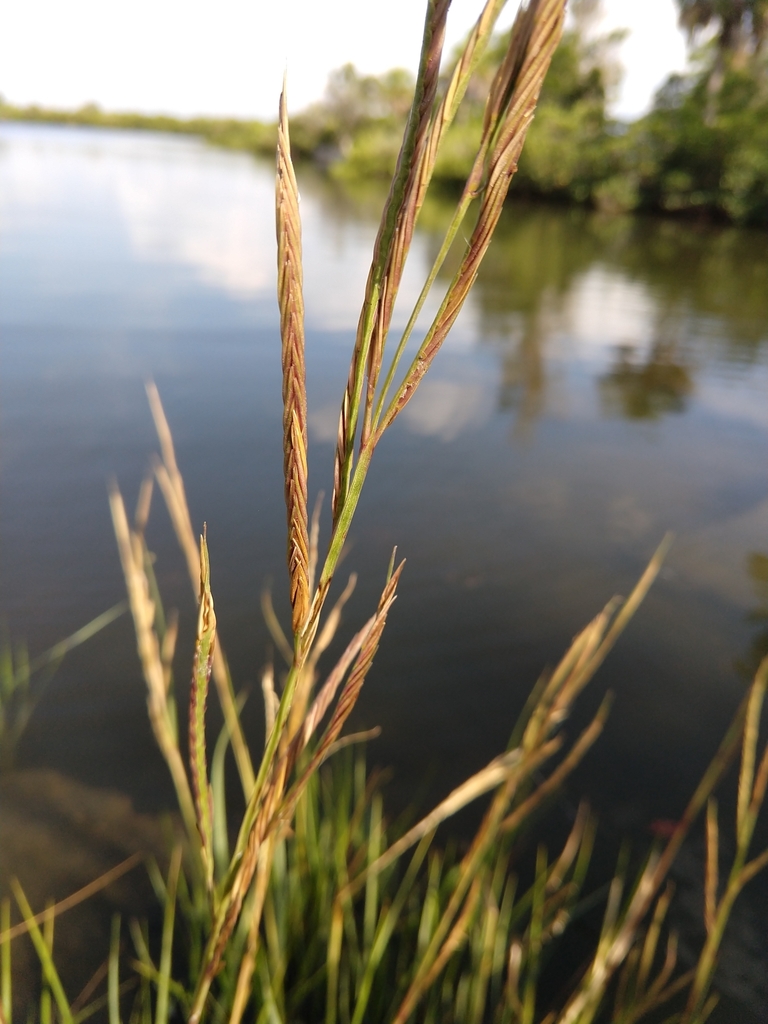
Quick facts
- Family: Poaceae
- Difficulty: Easy to care for
- Watering: every 7 days
- Light: Partial shade
- Temperature: 10–30 °C
About Saltmeadow cordgrass
Sporobolus spartinae, commonly known as Espartillo, is a perennial grass native to the coastal areas of South America. It forms dense clumps of fine, upright, grayish-green leaves that can reach up to 1 meter in height. It is ideal for xeriscaping, dune restoration, or as an ornamental plant in sandy and saline soils, providing a fine texture and a natural look.
Native range
North and South America
Care tips
Espartillo thrives in full sun and tolerates drought conditions once established. It requires moderate watering, allowing the substrate to dry out between waterings, and is very salt-tolerant, adapting well to sandy and poor soils. Avoid overwatering and poorly drained soils, as this can lead to root rot. It does not require frequent fertilization, as it adapts to nutrient-poor soils.
How to save a dying Saltmeadow cordgrass
- Warning signs
- Wilted, yellowing or brown leaves, stunted growth, soft and dark roots.
- First aid
- Drastically reduce watering. If potted, repot in well-draining substrate. Ensure good air circulation.
- What kills it
- Overwatering and waterlogged soil, especially in winter. Insufficient indirect light.
- Can it be saved?
- Yes, if roots are not completely rotted. It's drought-tolerant, not waterlogging-tolerant.