Wood horsetail (Equisetum sylvaticum)
Care, watering, light and tips for Wood horsetail on Floravia.
Quick facts
- Family: Equisetaceae
- Difficulty: Moderate care
- Watering: every 3 days
- Light: Partial shade
- Temperature: 10–30 °C
- Toxicity: Toxic to pets
About Wood horsetail
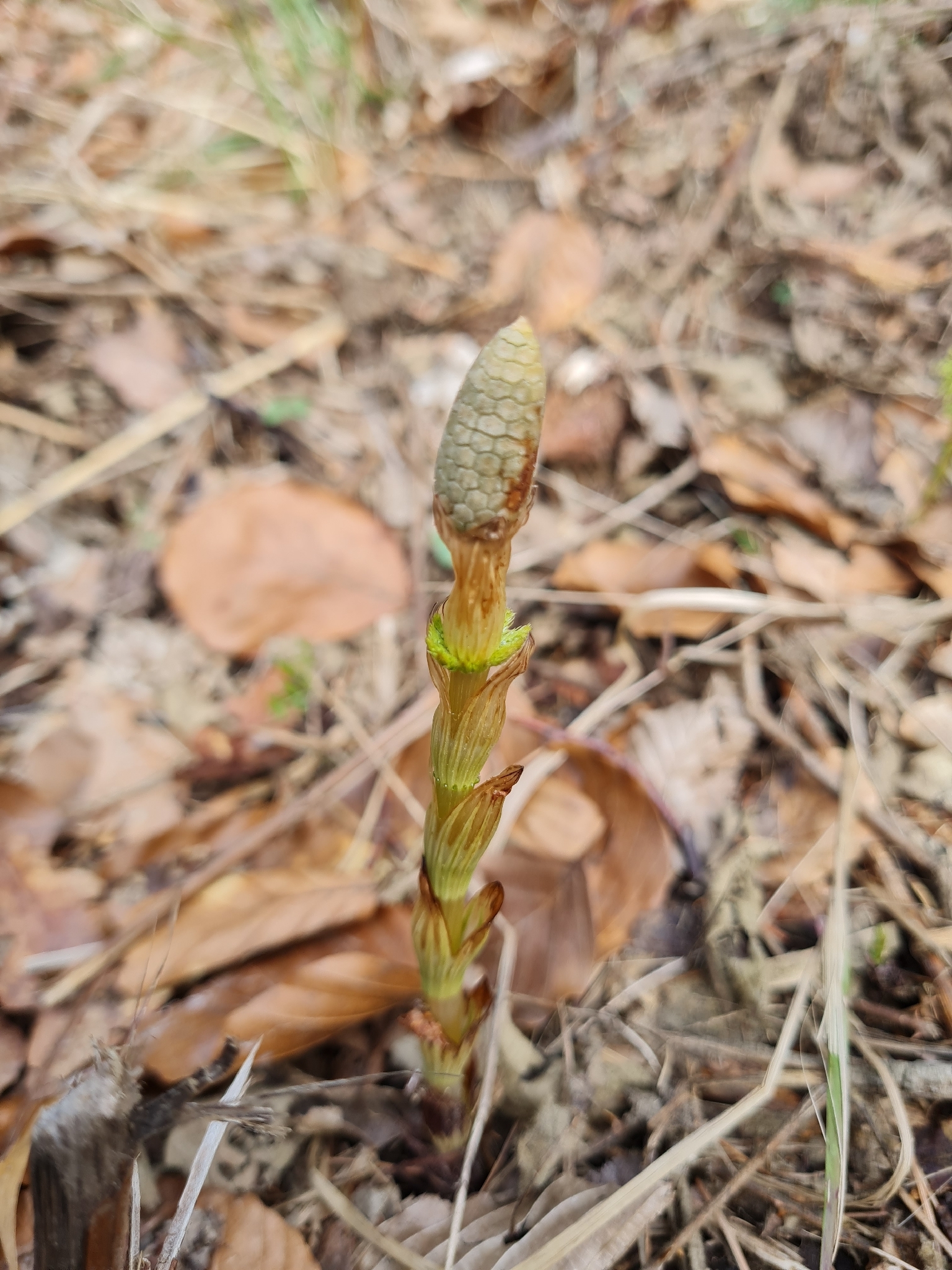
Equisetum sylvaticum, commonly known as woodland horsetail, is a perennial plant native to temperate regions of the Northern Hemisphere. It is characterized by its sterile stems, which display a delicate, branched structure resembling small pine trees, and shorter fertile stems with sporangia. It is ideal for moist shade gardens, pond margins, or as ground cover in wooded areas, providing fine texture and a prehistoric look.
Native range
North America, Europe, and Asia
Care tips
It prefers partial to full shade and consistently moist, even waterlogged, soil. Ensure good drainage to prevent root rot if not in a naturally boggy environment. It spreads vigorously by rhizomes, so it's advisable to plant it in a buried container or an area where its expansion is welcome. Avoid letting the soil dry out completely, as this can stress the plant and make its delicate stems brittle.
How to save a dying Wood horsetail
- Warning signs
- Yellowish/brown, soft or dry stems; stunted growth. May indicate lack or excess of water, or unsuitable soil.
- First aid
- Check soil moisture. If dry, water thoroughly; if waterlogged, drain and improve aeration. Consider repotting to acidic, moist soil.
- What kills it
- Prolonged dryness (dehydrates it) or constant waterlogging (rots roots). Also alkaline or nutrient-poor soils.
- Can it be saved?
- Yes, if you act quickly. It's resilient if humidity and soil conditions are corrected. Requires cool, moist environment.