Horseradish (Armoracia rusticana)
Care, watering, light and tips for Horseradish on Floravia.
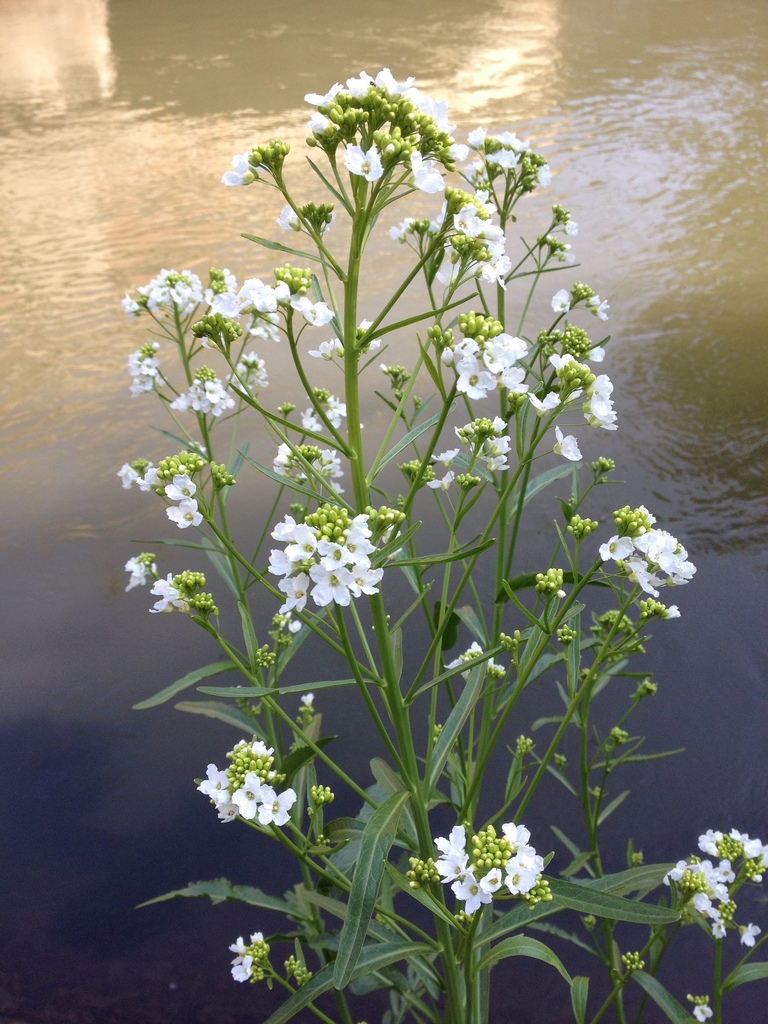
Quick facts
- Family: Brassicaceae
- Difficulty: Easy to care for
- Watering: every 5 days
- Light: Partial shade
- Temperature: 10–30 °C
About Horseradish
Armoracia rusticana, commonly known as horseradish, is a vigorous perennial plant from the Brassicaceae family, valued for its fleshy, pungent root. It develops large, elliptical leaves forming a basal rosette, and in summer produces spikes of small white flowers. It's an ideal plant for vegetable gardens or herb gardens, where its lush foliage can provide a good contrast.
Native range
Eastern Europe and Western Asia
Care tips
It prefers full sun to partial shade and deep, moist, well-drained soils; a substrate rich in organic matter will promote good root development. Regular watering is required to keep the soil consistently moist, especially during dry periods. A common mistake is planting it directly in the garden without containment, as its roots are very invasive and it can become difficult to control; it's best grown in large containers or with underground barriers.
How to save a dying Horseradish
- Warning signs
- Yellowing or wilting leaves, soft stems, stunted growth. Rotten or dry roots may be present.
- First aid
- Check drainage and soil moisture. If waterlogged, repot with fresh soil. If dry, water deeply.
- What kills it
- Constant waterlogging quickly rots its roots. Also, poor or overly compacted soil.
- Can it be saved?
- Yes, if you act quickly. It's a hardy plant, but doesn't tolerate excess water or prolonged drought.