Rapeseed (Brassica napus)
Care, watering, light and tips for Rapeseed on Floravia.
Quick facts
- Family: Brassicaceae
- Difficulty: Easy to care for
- Watering: every 7 days
- Light: Partial shade
- Temperature: 10–30 °C
- Toxicity: Toxic to pets
About Rapeseed
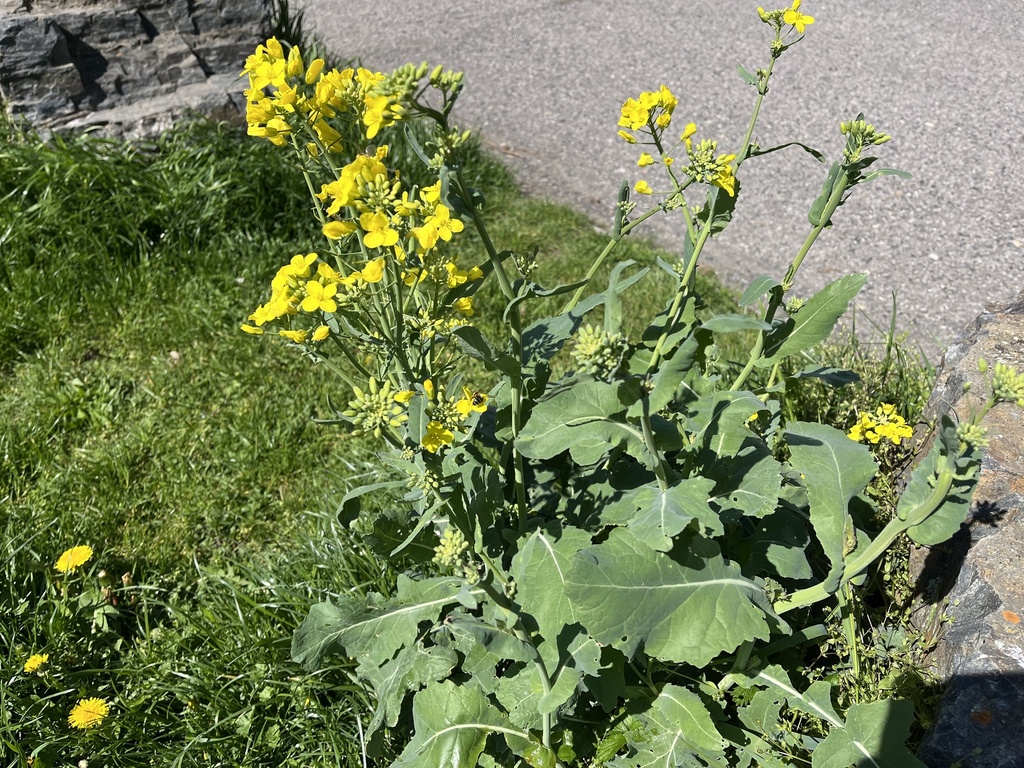
Brassica napus, commonly known as rapeseed or canola, is an annual or biennial herbaceous plant belonging to the Brassicaceae family, primarily cultivated for its oil-rich seeds. It features sturdy stems, large, lobed blue-green leaves, and clusters of bright yellow flowers that make it stand out in large fields. This plant is ideal for large-scale agricultural crops but can also be interesting in educational gardens or home vegetable patches for its ornamental and productive value.
Native range
Europe and temperate Asia
Care tips
It requires full sun exposure for optimal growth and good flowering. Watering should be regular, keeping the soil moist but not waterlogged, especially during flowering and seed development. It prefers deep, well-drained soils rich in organic matter. A common mistake to avoid is insufficient spacing between plants, which can reduce yield and increase susceptibility to diseases.
How to save a dying Rapeseed
- Warning signs
- Yellowing, wilting lower leaves, soft stem, base rot. 🌿
- First aid
- Check drainage and soil moisture. Remove damaged leaves and improve ventilation. Reduce watering.
- What kills it
- Overwatering and poor drainage, causing root and stem rot. Also pests like aphids.
- Can it be saved?
- Yes, if acted upon quickly. Remove rot, improve environment, and control pests.