Black mustard (Brassica nigra)
Care, watering, light and tips for Black mustard on Floravia.
Quick facts
- Family: Brassicaceae
- Difficulty: Easy to care for
- Watering: every 5 days
- Light: Partial shade
- Temperature: 10–30 °C
About Black mustard
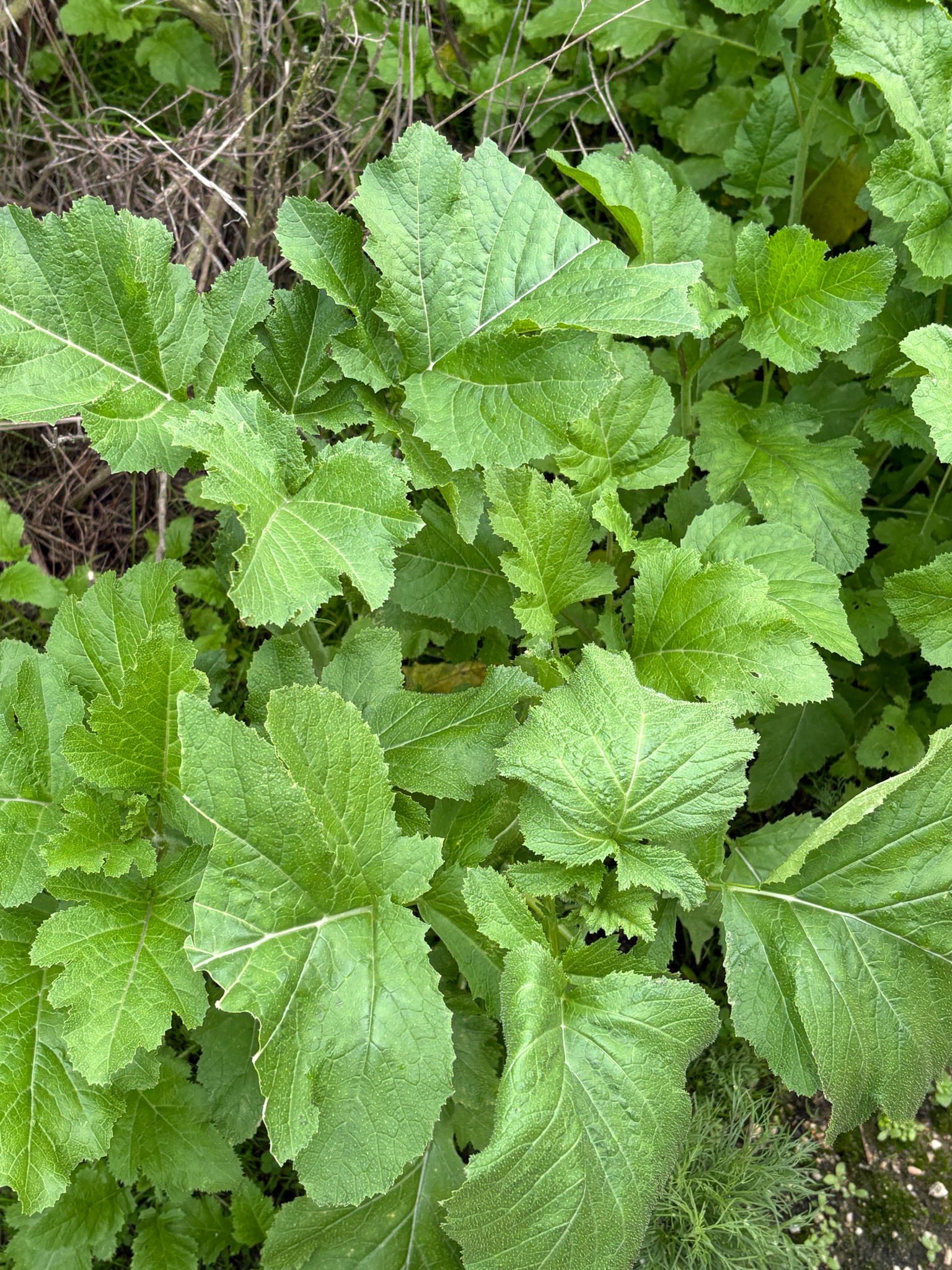
Brassica nigra, commonly known as Black Mustard, is an annual plant from the Brassicaceae family, valued for its pungent seeds and edible foliage. It develops tall stems with small yellow flowers clustered in racemes, creating an attractive contrast with its large, lobed leaves. It's ideal for vegetable gardens, pollinator gardens, or as a forage crop, adding a wild and functional touch.
Native range
Temperate regions of Europe, Asia, and North Africa.
Care tips
Black Mustard thrives in full sun and prefers well-drained soil rich in organic matter. It requires regular watering to keep the substrate moist, especially during dry periods, but avoid waterlogging. A common mistake is not harvesting the seeds on time, which can lead to unwanted dispersal; collect them when the pods begin to dry and turn brown. It is a resilient plant but may benefit from light fertilization in poor soils.
How to save a dying Black mustard
- Warning signs
- Yellowish or pale leaves, stunted growth, general wilting.
- First aid
- Check drainage and soil moisture. Ensure adequate sunlight and balanced fertilizer.
- What kills it
- Constant waterlogging or extreme drought; poor or imbalanced soil pH.
- Can it be saved?
- Yes, if you act quickly to correct watering, light, and nutrients. It's a resilient plant.