Cabbage (Brassica oleracea)
Care, watering, light and tips for Cabbage on Floravia.
Quick facts
- Family: Brassicaceae
- Difficulty: Easy to care for
- Watering: every 3 days
- Light: Partial shade
- Temperature: 10–30 °C
About Cabbage
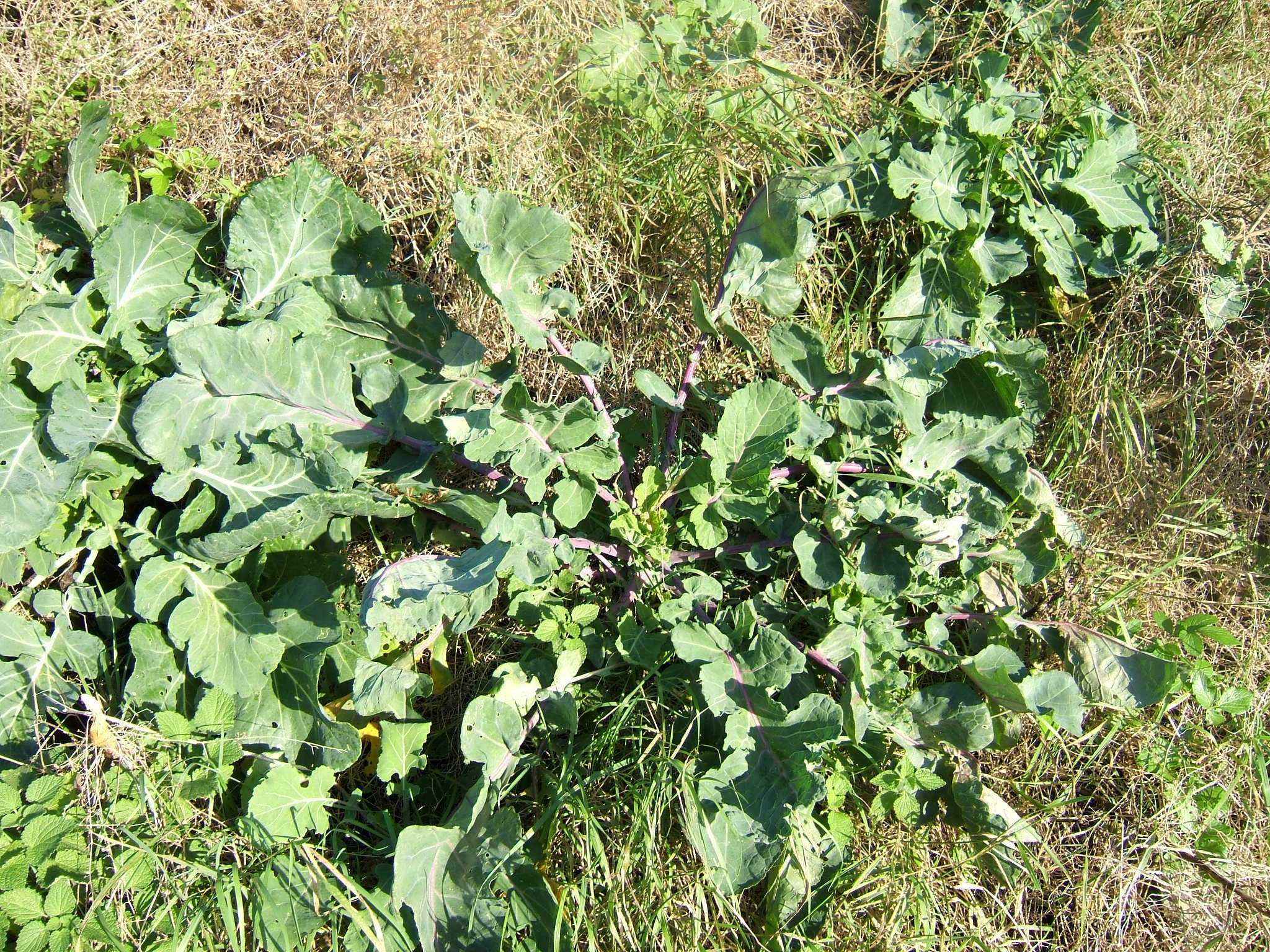
Brassica oleracea, commonly known as cabbage, is a biennial or perennial herbaceous plant from the Brassicaceae family, cultivated for its large, edible leaves that form a compact head. It varies in shape and color, from pale greens to deep purples, and looks spectacular in vegetable gardens, raised beds, or even as an ornamental plant in large containers. Its robustness and diversity make it a central element in any edible garden.
Native range
Western Mediterranean region of Europe
Care tips
It requires full sun (at least 6 hours daily) for optimal growth and fertile, well-drained soil rich in organic matter, with a pH between 6.0 and 7.0. Watering should be regular and consistent, keeping the substrate moist but not waterlogged, especially during head formation. Avoid extreme dryness, as it can cause the plant to bolt prematurely and the leaves to become bitter. It is crucial to rotate crops to prevent specific brassica diseases and pests.
How to save a dying Cabbage
- Warning signs
- Yellow or purple, wilted leaves, stunted growth. Holes or pest damage.
- First aid
- Check soil moisture, look for pests (aphids, caterpillars). Repot if in small container.
- What kills it
- Lack or excess of water, poor soil, uncontrolled pest attack, lack of sun.
- Can it be saved?
- Yes, if you act fast. Identify the problem and correct it promptly.