Field pennycress (Thlaspi arvense)
Care, watering, light and tips for Field pennycress on Floravia.
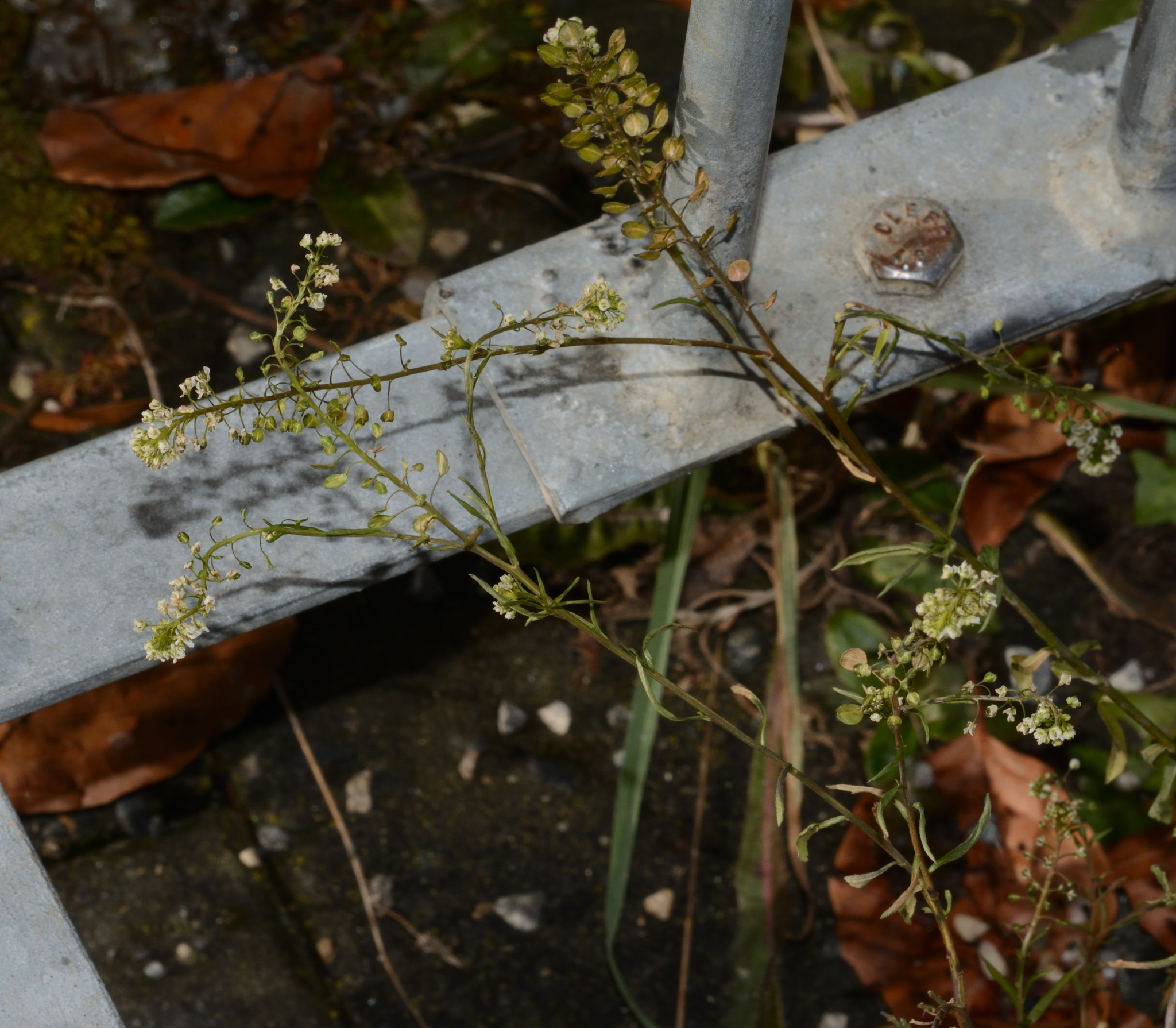
Quick facts
- Family: Brassicaceae
- Difficulty: Easy to care for
- Watering: every 7 days
- Light: Partial shade
- Temperature: 10–30 °C
- Toxicity: Toxic to pets
About Field pennycress
Thlaspi arvense, commonly known as Field Pennycress, is an annual or biennial herbaceous plant belonging to the Brassicaceae family. It is characterized by its small white flowers and distinctive flat, round seed pods that resemble tiny coins, giving it its common name. While often considered a weed in cultivated gardens, its bright green foliage and interesting seed pods can add a rustic touch to naturalistic garden settings or serve as a temporary ground cover.
Native range
Eurasia and North Africa
Care tips
Field Pennycress is a low-maintenance plant that thrives in a wide range of conditions. It prefers full sun to partial shade and adapts to most soil types, though it favors well-drained ones. Watering should be moderate, allowing the soil to dry out slightly between waterings, as it is quite drought-tolerant once established. A common mistake to avoid is attempting to grow it in overly rich or consistently wet soils, which can lead to excessive foliage growth and less flowering.
How to save a dying Field pennycress
- Warning signs
- Yellow or reddish, wilted leaves, stunted growth. Soft or blackened stems.
- First aid
- Check drainage and soil moisture. If waterlogged, repot into dry soil. If dry, water lightly.
- What kills it
- Overwatering and compacted soils causing root rot. Also extreme drought in young stages.
- Can it be saved?
- Yes, if rot hasn't progressed far or drought wasn't prolonged. Act quickly.