Garlic mustard (Alliaria petiolata)
Care, watering, light and tips for Garlic mustard on Floravia.
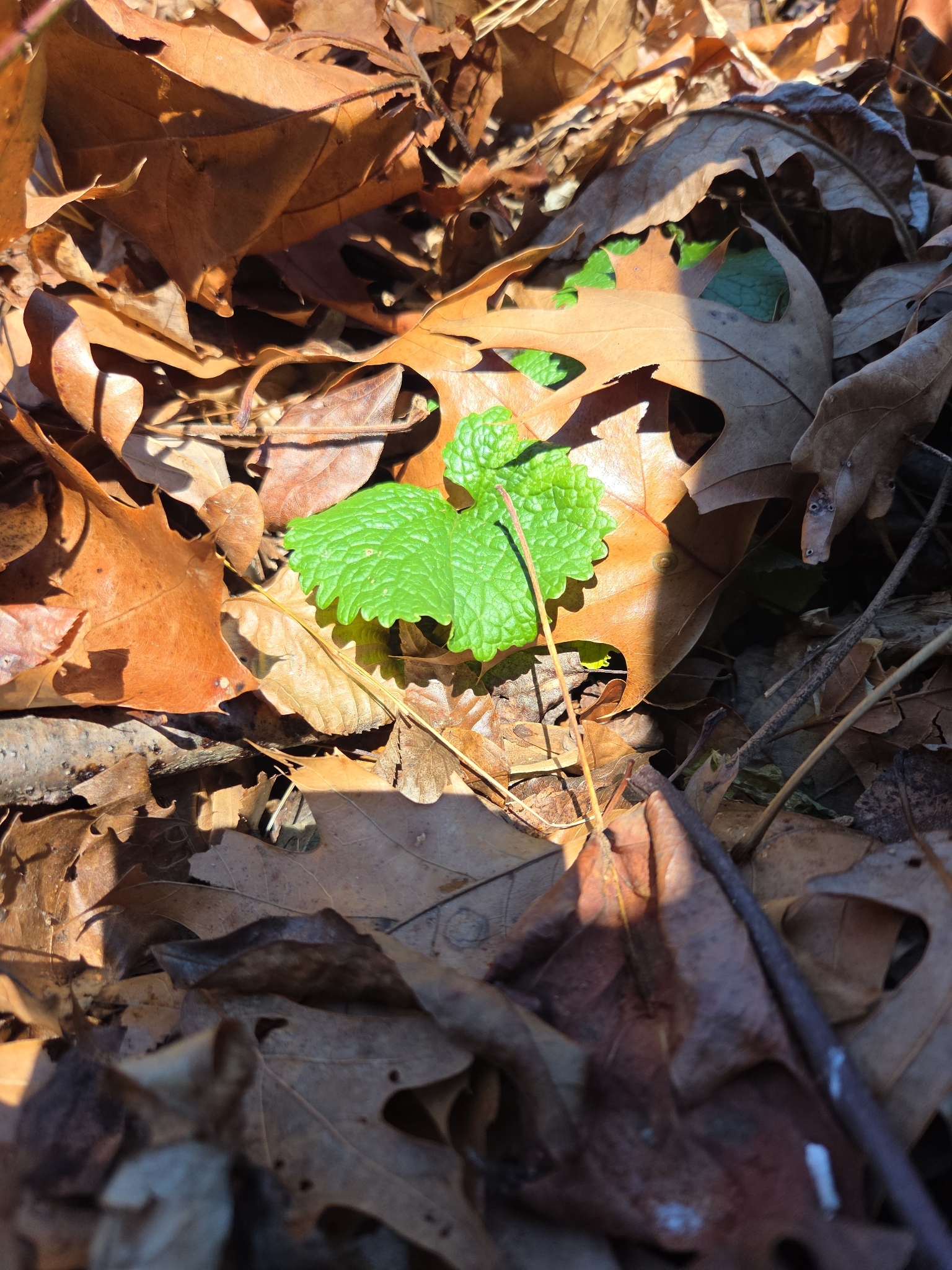
Quick facts
- Family: Brassicaceae
- Difficulty: Easy to care for
- Watering: every 7 days
- Light: Partial shade
- Temperature: 10–30 °C
About Garlic mustard
Alliaria petiolata, commonly known as garlic mustard, is a biennial herbaceous plant native to Europe, distinguished by its characteristic garlic-like scent when its leaves are crushed. It produces small white flowers in spring and forms dense colonies, making it ideal for wild gardens or as ground cover in shady, damp areas. Its bright green foliage and ability to thrive where other plants struggle make it an interesting option for difficult-to-cultivate corners, though it's important to manage its spread.
Native range
Europe, North Africa, and parts of Asia
Care tips
This plant prefers partial to full shade and moist but well-drained soils rich in organic matter. Watering should be regular, keeping the substrate consistently moist, especially during dry periods. It is crucial to avoid letting it dry out completely, as this can stress the plant and limit its growth. A common mistake is underestimating its prolific spreading ability; it is recommended to remove flowers before they produce seeds to control its expansion and prevent it from becoming invasive in non-native environments.
How to save a dying Garlic mustard
- Warning signs
- Wilting or yellowing leaves, soft stems, weak or absent garlic smell.
- First aid
- Check drainage. If potted, repot with fresh, well-draining soil.
- What kills it
- Excessive moisture or waterlogged soil. Does not tolerate intense direct sun.
- Can it be saved?
- Yes, if roots are not rotted. Improve drainage and location.