Garden cress (Lepidium sativum)
Care, watering, light and tips for Garden cress on Floravia.
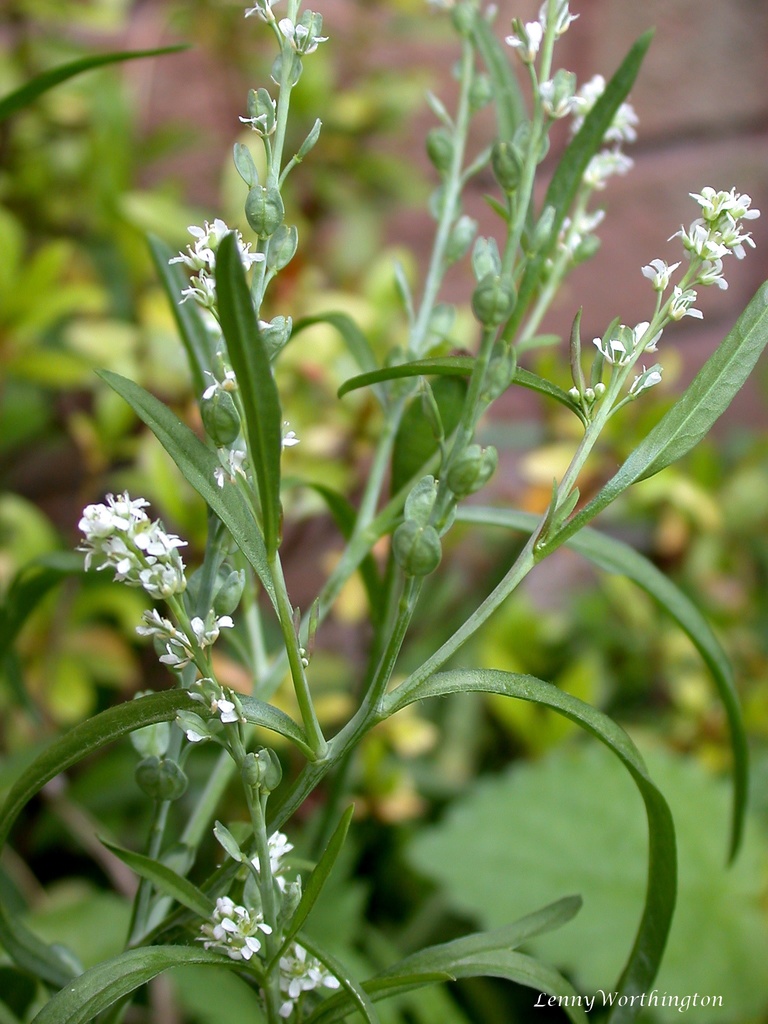
Quick facts
- Family: Brassicaceae
- Difficulty: Easy to care for
- Watering: every 2 days
- Light: Partial shade
- Temperature: 10–30 °C
About Garden cress
Lepidium sativum, commonly known as garden cress, is a fast-growing annual plant belonging to the Brassicaceae family. Its small, lobed leaves form a basal rosette, offering a pungent and slightly bitter flavor, similar to watercress. It's ideal for growing in small pots, window boxes, or directly in the garden, adding a fresh touch to salads and sandwiches.
Native range
Central and Western Asia
Care tips
It requires direct sunlight or partial shade for optimal growth. Keep the substrate consistently moist, but not waterlogged, as it's a plant that doesn't tolerate drought. It prefers light, well-draining soils rich in organic matter. A common mistake is allowing the soil to dry out completely, which can cause the plant to bolt prematurely and its leaves to become fibrous.
How to save a dying Garden cress
- Warning signs
- Yellowing or wilting leaves, soft and drooping stems, slow or no growth.
- First aid
- Check soil moisture. If dry, water lightly. If waterlogged, aerate soil and reduce watering.
- What kills it
- Overwatering causing root rot or lack of light. Does not tolerate prolonged drought.
- Can it be saved?
- Yes, if roots are not completely rotted and conditions are corrected.