Lesser swinecress (Lepidium didymum)
Care, watering, light and tips for Lesser swinecress on Floravia.
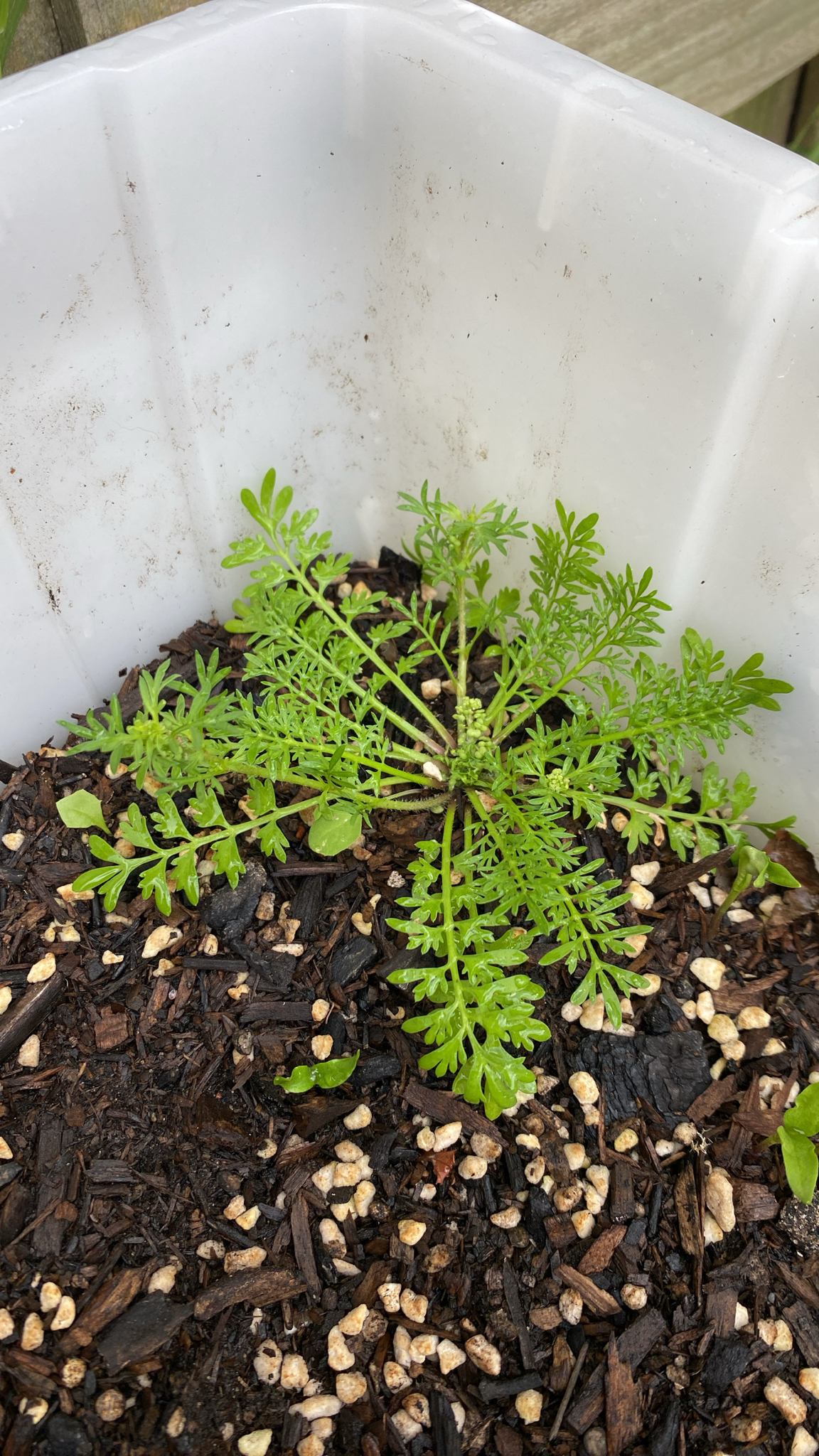
Quick facts
- Family: Brassicaceae
- Difficulty: Demanding
- Watering: every 7 days
- Light: Partial shade
- Temperature: 10–30 °C
About Lesser swinecress
Lepidium didymum, commonly known as ramkarse or lesser swinecress, is a small annual or biennial herb with a prostrate to ascending growth habit, characterized by its pinnatifid leaves and tiny white flowers. Although often considered a 'weed', its bright green foliage and compact growth make it suitable for ground cover in low-traffic areas or naturalistic gardens. It's an unassuming plant that can add a touch of greenery in spaces where more demanding plants might not thrive.
Native range
South America: Argentina, Bolivia, Brazil, Chile, Paraguay, Uruguay, and southern Peru.
Care tips
It prefers full sun to partial shade exposure and adapts to a wide range of soils, although it thrives best in well-drained and not excessively fertile ones. Watering should be moderate; it is a drought-tolerant plant once established, so overwatering is the main mistake to avoid, as it can lead to root rot. It does not require regular fertilization. Its vigorous growth may need control to prevent it from spreading excessively in cultivated settings.
How to save a dying Lesser swinecress
- Warning signs
- Yellowish or wilted leaves, soft stems, stunted growth.
- First aid
- Check drainage and soil moisture. Ensure good ventilation and moderate sun.
- What kills it
- Overwatering or waterlogging, which easily rots its roots.
- Can it be saved?
- Yes, if roots aren't completely rotted and you act quickly.