Waterccress (Nasturtium officinale)
Care, watering, light and tips for Waterccress on Floravia.
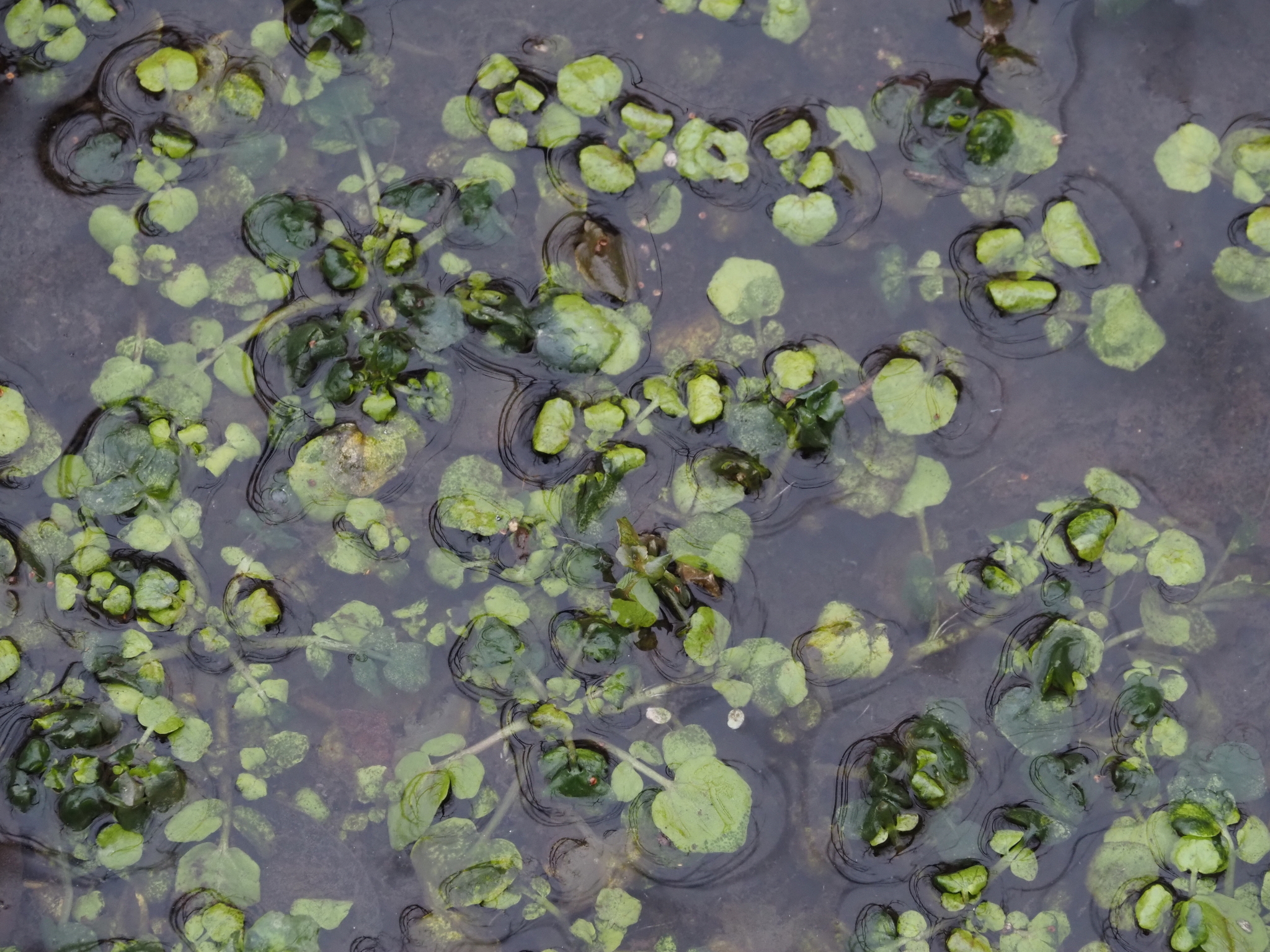
Quick facts
- Family: Brassicaceae
- Difficulty: Easy to care for
- Watering: every 3 days
- Light: Partial shade
- Temperature: 10–30 °C
About Waterccress
Nasturtium officinale, commonly known as watercress, is a perennial aquatic plant from the Brassicaceae family, valued for its edible, round leaves with a slightly peppery flavor. It forms dense green mats in freshwater environments, looking splendid in streams, ponds, or submerged pots, where its floating stems create attractive foliage. It is ideal for adding a natural and edible touch to water gardens or as ground cover in wet areas.
Native range
Europe, North Africa, and Western Asia
Care tips
It requires full or partial sunlight and a constant supply of fresh, clean water, preferably running, for optimal growth. The substrate should be nutrient-rich and constantly moist or submerged, with a neutral to slightly alkaline pH. Keep the water clean and well-oxygenated to prevent diseases; a common mistake is leaving it in stagnant, nutrient-poor water. Regular harvesting is essential to stimulate growth and prevent the plant from flowering prematurely, which can affect the flavor of the leaves.
How to save a dying Waterccress
- Warning signs
- Yellowish or whitish leaves, soft and watery stems, slow or stopped growth. A rotten smell may indicate stagnant water.
- First aid
- Ensure watercress is in fresh, flowing water, not stagnant. If potted, check drainage. Remove damaged parts and place in a cool spot with indirect light.
- What kills it
- Stagnant or low-oxygen water, inadequate light (needs bright, indirect light, not intense direct sun), or overly warm temperatures.
- Can it be saved?
- Yes, if you act quickly. It needs oxygenated, fresh water and a cool, humid environment. A timely water change and pruning can revive it.