Common water hyacinth (Pontederia crassipes)
Care, watering, light and tips for Common water hyacinth on Floravia.
Quick facts
- Family: Pontederiaceae
- Difficulty: Easy to care for
- Watering: every 1 days
- Light: Partial shade
- Temperature: 10–30 °C
About Common water hyacinth
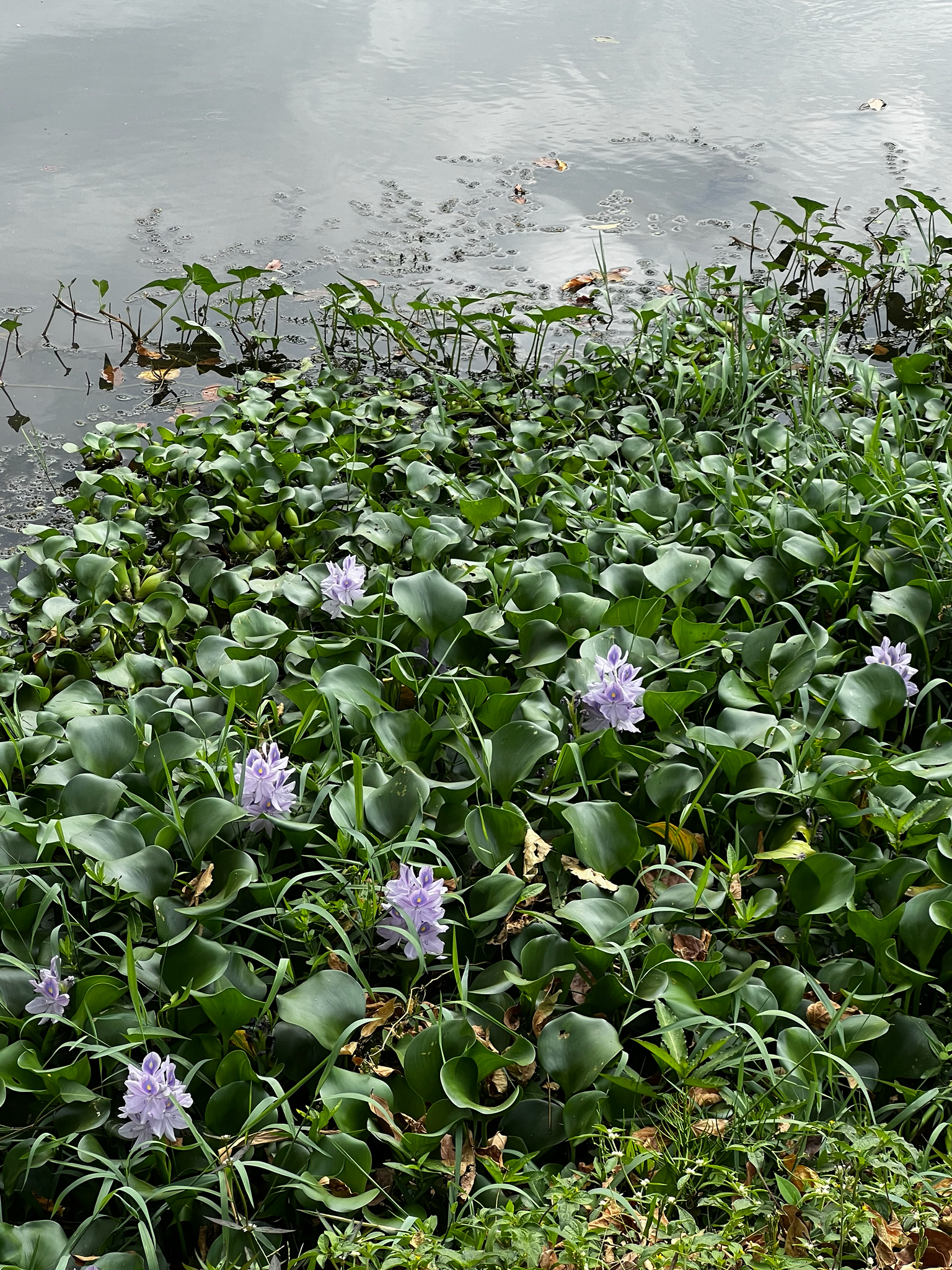
Pontederia crassipes, commonly known as Water Hyacinth, is a free-floating aquatic plant from the Pontederiaceae family, native to tropical South America. It features bright green, rounded leaves supported by inflated petioles that allow it to float, and produces showy spikes of lilac to blue-violet flowers. It is ideal for ponds, fountains, or any water body where attractive floral coverage is desired, though its rapid growth requires management.
Native range
Amazon basin in South America
Care tips
It requires full sun for optimal flowering, although it tolerates partial shade. As a free-floating aquatic plant, it does not need substrate, drawing nutrients directly from the water; ensure the water body is deep enough for its roots. The most common mistake is allowing its uncontrolled proliferation, as it is an invasive species in many regions; it is crucial to monitor and remove excess regularly. It does not require watering, as it lives submerged.
How to save a dying Common water hyacinth
- Warning signs
- Yellowish or brown, soft, deflated leaves. Rotten or foul-smelling roots. Lack of buoyancy.
- First aid
- Remove damaged plants. Ensure clean, oxygenated water. Reduce density if overcrowded. Check water temperature.
- What kills it
- Stagnant, dirty, or nutrient-rich water. Extreme temperatures, both too cold and too hot. Overpopulation.
- Can it be saved?
- Yes, if you act quickly. It needs a healthy, balanced aquatic environment to recover. Remove diseased parts.