Greek fir (Abies cephalonica)
Care, watering, light and tips for Greek fir on Floravia.
Quick facts
- Family: Pinaceae
- Difficulty: Demanding
- Watering: every 7 days
- Light: Full sun
- Temperature: -20–30 °C
About Greek fir
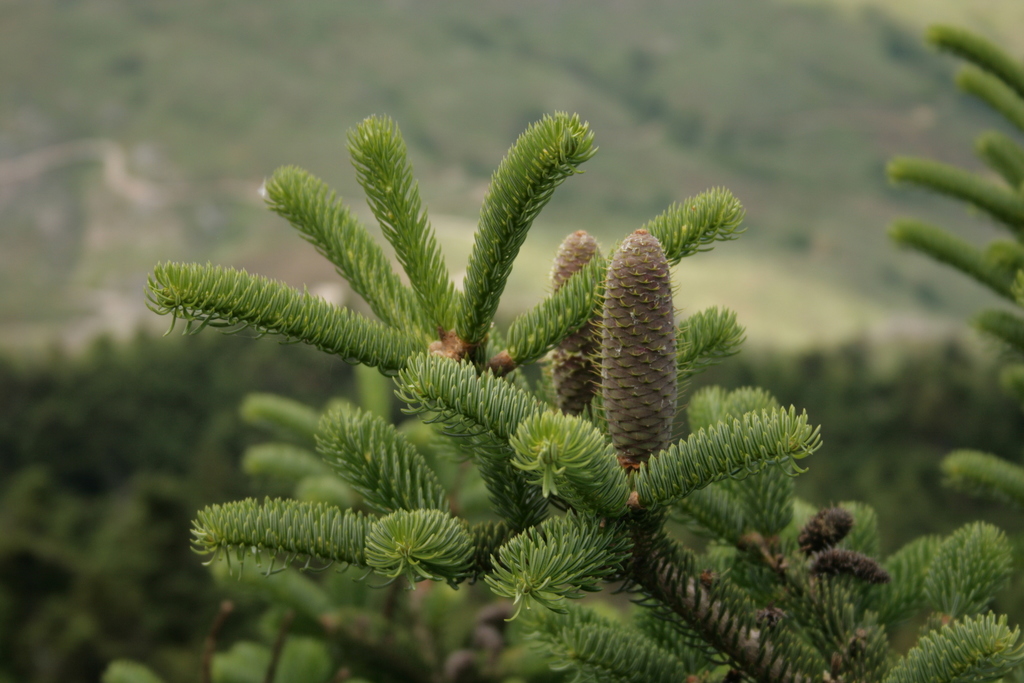
Abies cephalonica, also known as Greek fir or Cephalonian fir, is a majestic and slow-growing conifer native to the mountains of Greece. It exhibits a dense, pyramidal shape with stiff, glossy dark green needles and produces cylindrical, purplish-brown cones. It is ideal as a solitary ornamental tree in large gardens or parks, where its elegant stature and cold hardiness can be fully appreciated.
Native range
Greece (Balkan Peninsula)
Care tips
This species requires full sun to partial shade and prefers deep, well-drained, slightly acidic soils. Watering should be regular during the first few years to establish the root system, especially during dry periods, but once mature it tolerates drought better. Avoid heavy, compacted soils that can lead to waterlogging, as it is susceptible to root rot in excessively wet conditions. A common mistake is planting it in hot, dry climates with low humidity, as it thrives best in cool, humid environments.
How to save a dying Greek fir
- Warning signs
- Brown, dry, brittle needles; massive needle drop; trunk without resin.
- First aid
- Check drainage and soil moisture. Ensure good ventilation. Protect from strong winds and late frosts.
- What kills it
- Prolonged drought, waterlogging, clayey or alkaline soil. Does not tolerate urban pollution.
- Can it be saved?
- Yes, if roots are not rotted and trunk retains some sap. Act quickly.