European silver fir (Abies alba)
Care, watering, light and tips for European silver fir on Floravia.
Quick facts
- Family: Pinaceae
- Difficulty: Demanding
- Watering: every 7 days
- Light: Full sun
- Temperature: -20–30 °C
About European silver fir
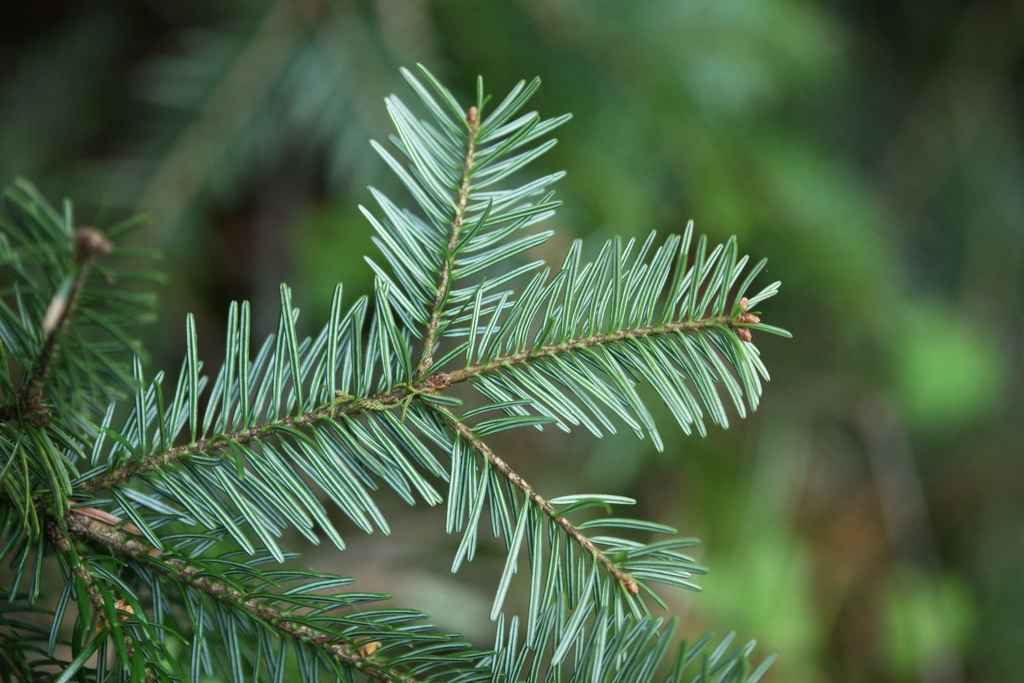
Abies alba, commonly known as European silver fir or common fir, is a majestic conifer native to the mountains of Europe, capable of reaching impressive heights. It is characterized by its elegant conical shape and flat, glossy dark green needles, often with two silvery bands on the underside. It's an excellent choice for large gardens or parks where a grand, timelessly beautiful tree is desired.
Native range
Mountains of Central and Southern Europe, from the Pyrenees to the Balkans and the Carpathians.
Care tips
It prefers locations with full sun to partial shade and deep, moist, well-drained soils, preferably acidic to neutral. During its early years and in dry periods, regular watering is crucial for its establishment, avoiding waterlogging which can rot its roots. A common mistake is planting it in dry or very compacted soils, which hinders its development. Ensure good mulching to maintain soil moisture.
How to save a dying European silver fir
- Warning signs
- Yellowish or brown needles falling, loss of luster, dry or brittle branches.
- First aid
- Check drainage, water if soil is dry, look for pests (aphids, spider mites). Protect from direct sun if young.
- What kills it
- Constant waterlogging, very alkaline soil, lack of ambient humidity, or exposure to excessive heat.
- Can it be saved?
- Yes, if roots are not rotten and main trunk is not completely dry. Act quickly.