Siberian fir (Abies sibirica)
Care, watering, light and tips for Siberian fir on Floravia.
Quick facts
- Family: Pinaceae
- Difficulty: Demanding
- Watering: every 7 days
- Light: Full sun
- Temperature: -20–30 °C
- Toxicity: Toxic to pets
About Siberian fir
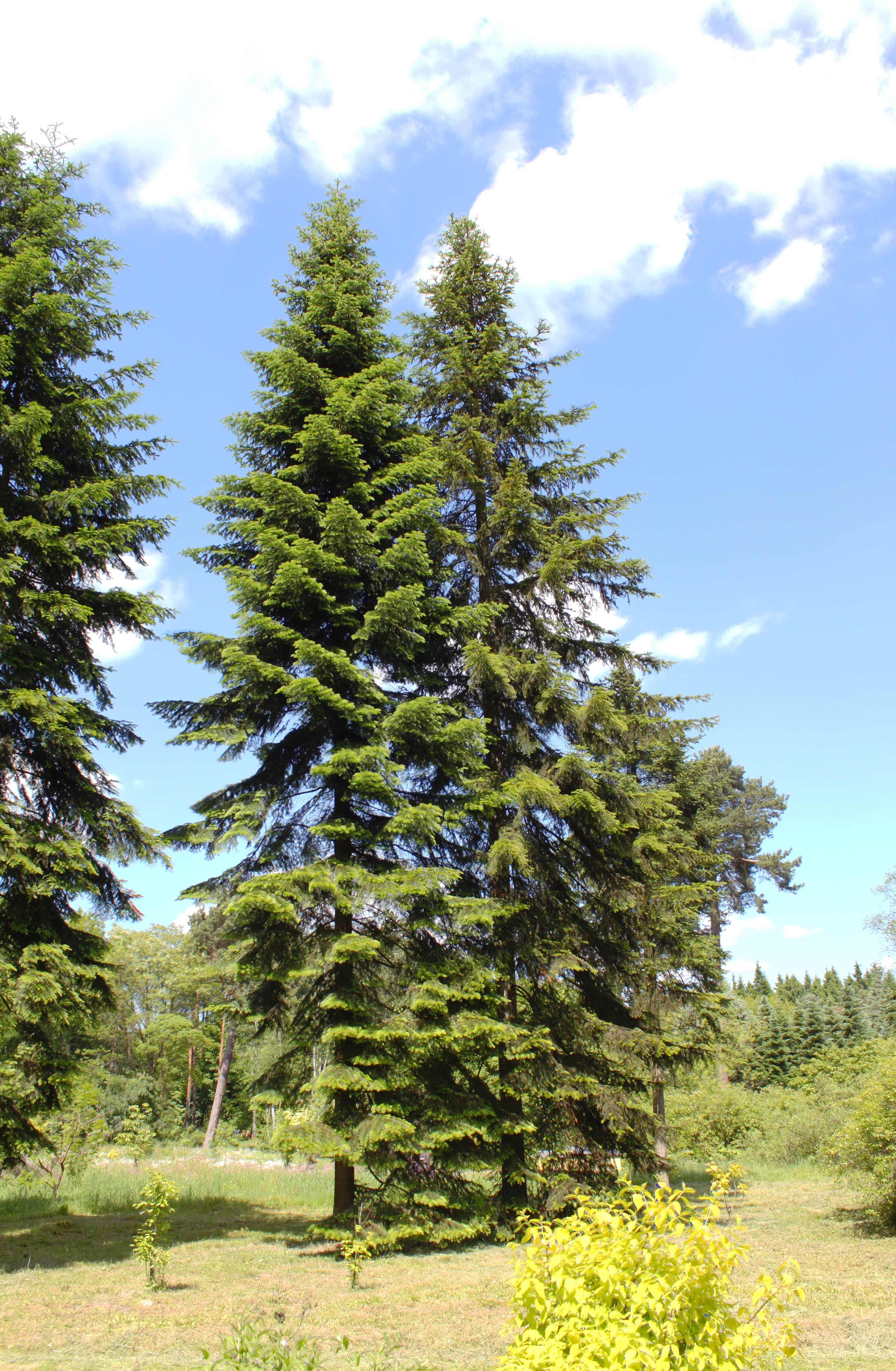
Abies sibirica, commonly known as the Siberian fir, is a majestic conifer native to the cold regions of Siberia. It stands out for its elegant conical shape and dense foliage of soft, aromatic, glossy dark green needles, which emit a pleasant pine scent. It is ideal for large gardens, parks, and as a specimen tree, adding a touch of grandeur and winter freshness.
Native range
Siberia and the Russian Far East, Mongolia, and northern China.
Care tips
It prefers full sun to partial shade, thriving in cold and humid climates. It requires well-drained, slightly acidic to neutral soil, and regular watering, especially during dry periods, avoiding waterlogging. A common mistake is planting it in calcareous soils or with low ambient humidity, which can lead to poor growth and yellowing of the needles. Ensure it has enough space for its development.
How to save a dying Siberian fir
- Warning signs
- Brown, dry needles falling, especially from inside. Weak or absent new shoots. Soft trunk or presence of fungi.
- First aid
- Ensure consistent watering, avoid waterlogging. Place in partial shade if heat is excessive. Check drainage and for pests.
- What kills it
- Prolonged drought, especially in warm climates. Overwatering causing root rot. Lack of winter cold.
- Can it be saved?
- Yes, if roots are not completely rotted or trunk damaged. Quick action is key for recovery.