Siberian larch (Larix sibirica)
Care, watering, light and tips for Siberian larch on Floravia.
Quick facts
- Family: Pinaceae
- Difficulty: Moderate care
- Watering: every 7 days
- Light: Full sun
- Temperature: -20–30 °C
About Siberian larch
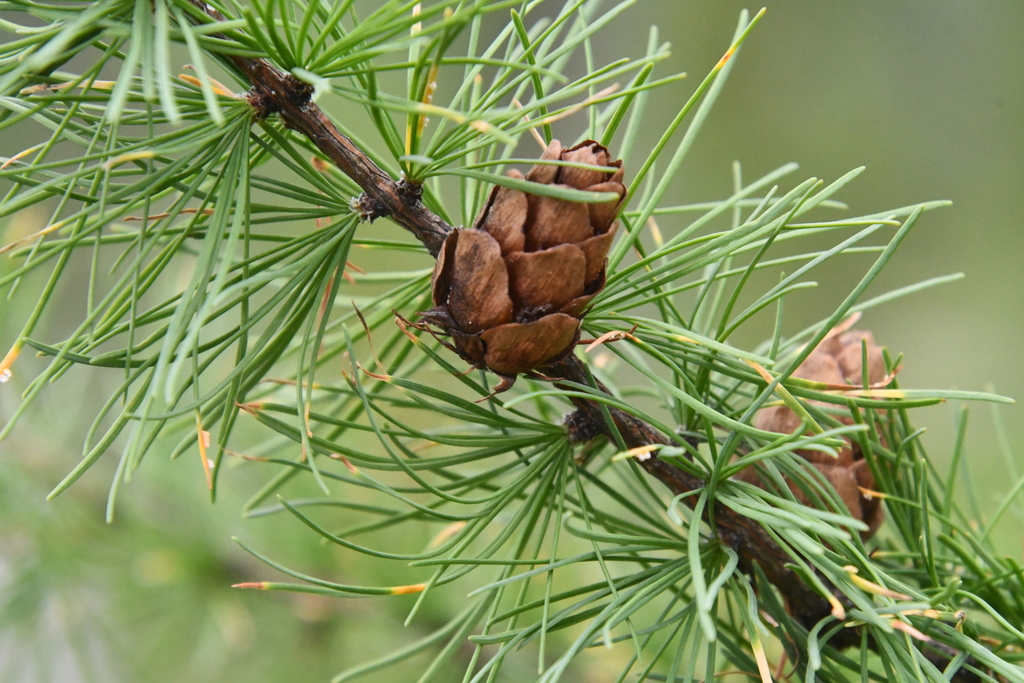
The Siberian Larch (Larix sibirica) is a fast-growing deciduous conifer native to Siberia. It is notable for its bright green foliage in spring and summer, which turns a deep golden before falling in autumn, and its fissured bark. It is a majestic plant ideal for large gardens, parks, or as a specimen tree where its seasonal change can be appreciated.
Native range
Siberia and the far northeast of European Russia
Care tips
It prefers full sun exposure for optimal growth and vibrant autumn coloration. It needs well-drained soils, preferably acidic to neutral, and tolerates a wide range of soil types, including poor ones. Watering should be regular during the first few years to establish the root system, after which it is quite drought-tolerant. Avoid constantly waterlogged soils, as this can lead to root rot, especially in young specimens.
How to save a dying Siberian larch
- Warning signs
- Yellowish or brown needles falling prematurely, dry or brittle branches, slow or no growth.
- First aid
- Check soil drainage and moisture. Ensure full sun and good air circulation. Protect from strong winds if young.
- What kills it
- Constant waterlogging, lack of direct sunlight, prolonged extreme drought when young.
- Can it be saved?
- Yes, if roots aren't rotted and there are green shoots. Act quickly to correct the environment.