Western hemlock (Tsuga heterophylla)
Care, watering, light and tips for Western hemlock on Floravia.
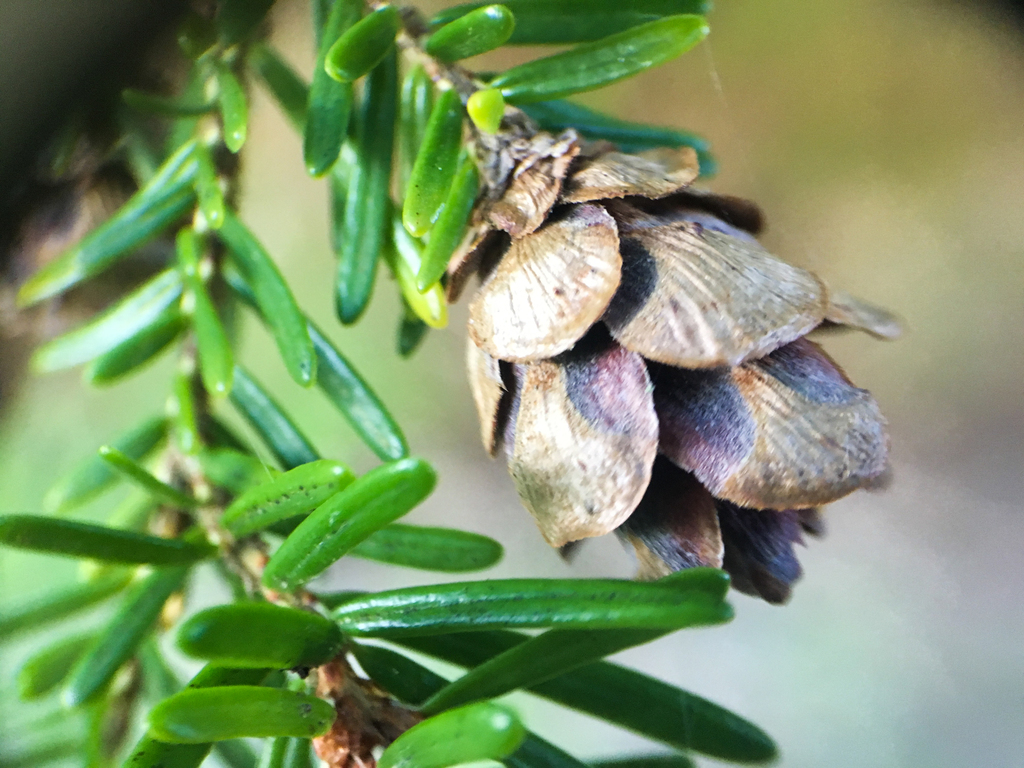
Quick facts
- Family: Pinaceae
- Difficulty: Moderate care
- Watering: every 7 days
- Light: Full sun
- Temperature: -20–30 °C
About Western hemlock
Tsuga heterophylla, commonly known as Western Hemlock, is a majestic and fast-growing conifer native to northwestern North America. It is characterized by its dense, conical crown, with slightly drooping branches and short, glossy green needles. It's an excellent choice for large gardens, parks, or as an ornamental tree in woodland settings, providing an elegant and evergreen presence.
Native range
Northwestern North America
Care tips
It prefers a location with partial shade to full sun, though it tolerates shade better in hot, dry climates. It needs moist, well-drained, and slightly acidic soil, avoiding waterlogging. Water regularly, especially during dry periods, to keep the soil consistently moist. A common mistake is planting it in poor or very compacted soils, which can limit its growth and vitality.
How to save a dying Western hemlock
- Warning signs
- Yellowish or brown needles, especially inside. Excessive needle drop. Dry or brittle branches.
- First aid
- Check drainage. Ensure deep watering if soil is dry. Protect from intense direct sun if very exposed. Consider fungi if there are spots.
- What kills it
- Constant root waterlogging is fatal. Also prolonged drought, especially in young specimens. Avoid drastic pruning.
- Can it be saved?
- Yes, if you act quickly. It's sensitive to changes, but responds well to watering and exposure corrections.